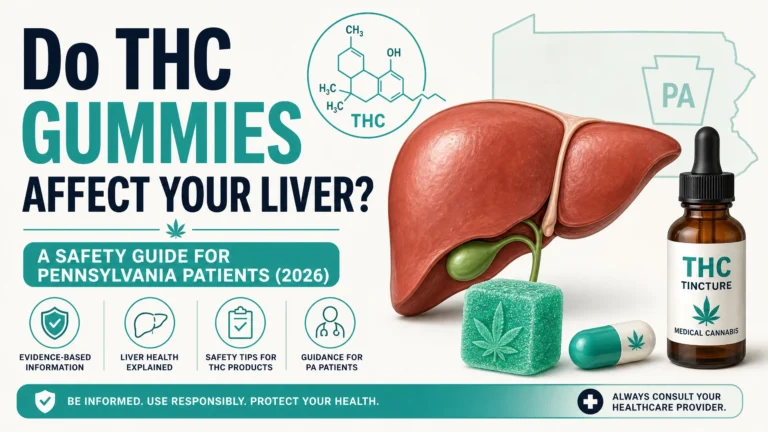

If you are a Pennsylvania medical marijuana patient using capsules, oils, or tinctures, you have probably wondered at some point whether running all of that THC through your liver is doing any damage.
It’s a reasonable question. And the honest answer is reassuring for most people, but not quite as simple as “no problem at all.”
Need a PA Medical Marijuana Card?
Get certified online in 15 minutes. 100% Money-Back Guarantee.
Get Certified Now →This guide covers what the research actually shows about THC gummies and liver health, why the oral route matters pharmacologically, which medications have documented interactions with THC through liver enzymes, whether THC can cause GI problems like diarrhea, and what the real picture on cannabis dependence looks like. All of it framed for Pennsylvania patients who are using, or considering, oral cannabis products from licensed PA dispensaries.
Key Takeaways
- At typical medical doses, THC gummies do not damage the liver in healthy adults. The NIH’s LiverTox database confirms that cannabis has not been meaningfully linked to clinical liver injury in large case series of drug-induced liver damage.
- Oral THC goes through your liver first via first-pass metabolism, converting delta-9 THC into 11-hydroxy-THC. This makes gummies and capsules more potent per milligram than inhaled products.
- Drug interactions are the real liver concern. THC inhibits CYP2C9 and CYP3A4 liver enzymes, which metabolize warfarin, some antidepressants, and dozens of other common medications. If you take other prescriptions, this matters.
- THC can cause diarrhea, but it usually goes the other way. Cannabis generally slows GI motility. Diarrhea is more commonly a withdrawal symptom, or occurs in people with high sensitivity to high doses.
- Cannabis use disorder is real and affects approximately 9 to 30% of regular users depending on frequency and dose. Using oral THC products mindfully, at appropriate doses, significantly reduces that risk.
- Every licensed PA dispensary has a pharmacist on staff required by state law who can review your current medications for potential cannabis interactions before you purchase.
Do THC Gummies Damage the Liver? The Direct Answer
For most healthy adults using cannabis at typical medical doses, THC gummies do not cause liver damage.

The NIH’s LiverTox database, which tracks clinical and research information on drug-induced liver injury, states clearly: “Marijuana use has not been linked to serum enzyme elevations during therapy or to instances of clinically apparent liver injury with jaundice.” In large case series of drug and herbal supplement-induced liver injury, cannabis has not been meaningfully implicated.
That finding holds across multiple reviews and cohort studies. A 2013 longitudinal cohort analysis published in Clinical Infectious Diseases found that even among people co-infected with HIV and hepatitis C, marijuana smoking did not accelerate liver disease progression. That is a population with already-compromised liver function, which makes the finding meaningful.
Do You Qualify for a PA MMJ Card?
Connect with a licensed Pennsylvania state physician online from home.
Where the picture becomes more nuanced is for specific populations and in the context of drug interactions. Healthy liver at standard doses: low concern. Pre-existing liver disease, or combination with medications that use the same metabolic pathways: a different conversation entirely.
First-Pass Metabolism: Why the Liver Matters for Oral THC

When you eat or swallow a THC gummy, capsule, or tincture, the THC doesn’t go directly into your bloodstream. It travels from your gut into your portal vein and through your liver first. This process is called first-pass metabolism.
During that first liver pass, CYP2C9 and CYP3A4 enzymes convert delta-9 THC into its primary metabolite: 11-hydroxy-THC (11-OH-THC). This metabolite is significantly more potent at CB1 receptors than the original THC molecule and crosses the blood-brain barrier more efficiently. It also clears the body more slowly.
This is why 10mg from a gummy feels meaningfully stronger and lasts longer than 10mg from a vaporizer. The liver is doing chemical work on the THC between ingestion and effect, and the result is more potent than what you started with.
For the liver itself, this metabolism process is not harmful at normal doses. The liver handles far more challenging metabolic loads daily. But understanding first-pass metabolism is important for two reasons:
First, it explains why dosing oral THC requires more patience and more caution about redosing before the first dose peaks (onset can take 45 to 90 minutes for capsules and oils).
Second, it is the mechanism behind the drug interactions described in the next section. If THC is competing with your other medications for the same CYP liver enzymes, those medications may accumulate to higher-than-expected levels in your bloodstream.
Who Should Be More Cautious About Liver Effects
Most healthy adults do not need to worry about THC gummies affecting their liver in any clinically meaningful way. But several populations should approach oral cannabis more carefully and discuss it with their physician:
People with pre-existing liver disease. If you have hepatitis B or C, cirrhosis, fatty liver disease, or elevated liver enzymes for any reason, your liver’s metabolic capacity is already reduced. Cannabis processed through a compromised liver may behave unpredictably, and drug interactions become more significant.
People taking multiple prescription medications. The CYP2C9 and CYP3A4 interactions discussed in the next section affect dozens of common medications. If your medication list is substantial, a full interaction review with a pharmacist is worth doing before starting oral THC.
⚡ Fast & 100% Online PA Medical Cards
Board-Certified Doctors • 100% Money-Back Guarantee
Book Evaluation Now →Heavy, daily users at very high doses. The NIH LiverTox finding applies to typical medical use. There are limited case reports of liver enzyme elevation in people using cannabis heavily and chronically, though causal attribution is complicated by other factors in those cases. Daily high-dose use at therapeutic levels is not the same risk picture as occasional low-dose use.
People who drink alcohol regularly. Alcohol and cannabis compete for some overlapping metabolic pathways. Regular heavy alcohol use alongside cannabis use puts more combined demand on liver enzyme systems.
None of these groups are automatically excluded from cannabis use. They’re groups where a more careful conversation with a physician or PA dispensary pharmacist before starting is genuinely worthwhile.
Drug Interactions Through the Liver: The CYP2C9 and CYP3A4 Connection
This is the section most cannabis patients and even many prescribing physicians are not aware of. It matters more than the direct liver damage question for most people with complex medication regimens.

THC is metabolized primarily by the CYP2C9 and CYP3A4 liver enzymes. At the same time, it can inhibit those same enzymes, meaning it slows how quickly they process other medications that use the same pathways. When an enzyme is inhibited, the drug it normally metabolizes stays in your bloodstream longer and at higher concentrations than expected.
According to a December 2025 New Hampshire DHHS cannabis drug interactions guidance document and a peer-reviewed PMC review of drug interactions with medical cannabis, the key interaction categories for THC include:
| Drug Category | Example Medications | Interaction Risk |
|---|---|---|
| Anticoagulants | Warfarin (Coumadin) | THC inhibits CYP2C9, slowing warfarin metabolism. S-warfarin may accumulate, raising INR and bleeding risk. |
| Antidepressants (some) | Some SSRIs, TCAs | THC inhibits CYP2D6; certain antidepressants metabolized by this pathway may accumulate. |
| Antipsychotics | Clozapine, haloperidol | THC is a CYP1A2 inducer, which can theoretically decrease concentrations of clozapine and haloperidol. |
| Anti-epileptics | Clobazam | CBD (often in cannabis products) is a potent CYP3A4 and CYP2C19 inhibitor; clobazam interactions are well documented. |
| Direct oral anticoagulants (DOACs) | Eliquis, Xarelto, Pradaxa | Theoretical interaction via P-glycoprotein inhibition; less well documented than warfarin but still worth discussing with a prescriber. |
The practical takeaways:
If you take warfarin, your INR should be monitored more frequently when you start using oral THC products. In vitro studies confirm that various THC isomers inhibit warfarin metabolism, and case reports document clinically significant INR elevation in patients combining the two.
If you take antidepressants, anti-epileptics, or antipsychotics, the interaction picture is more medication-specific. Not all drugs in these categories are affected equally, and some are metabolized by pathways less affected by cannabis.
This is not a list of absolute contraindications. Cannabis and these medications are used together by many people without serious adverse events. It is a list of medications where the combination warrants professional review before starting, not after.
Does THC Thin Your Blood?
This comes up frequently, and the evidence is nuanced.

Renewing Your PA MMJ Card?
Quick annual recertification online. No paperwork hassle.
Renew Card Online →Cannabis can have mild antiplatelet and anticoagulant properties, primarily through CYP2C9 enzyme inhibition. On its own, this effect is generally modest in healthy adults and not clinically significant at typical medical doses.
The concern becomes more significant in combination with prescription blood thinners. As described above, THC inhibits CYP2C9, which is the primary metabolic pathway for warfarin. When warfarin clears more slowly from the body, its blood-thinning effect becomes stronger than the prescribed dose intended. Case reports have documented INR values rising above safe thresholds in patients on stable warfarin therapy who began using cannabis.
For the same reason, cannabis should be discussed with a prescriber before use if you are on any medication specifically for blood thinning, platelet function, or stroke prevention.
For people not on anticoagulant medications: the mild intrinsic blood-thinning property of cannabis is not considered a clinically significant health risk in healthy adults at normal doses. It does not make you spontaneously bleed or represent a danger in typical use.
Can THC Gummies Cause Diarrhea?
Yes, it is possible, but the more common GI story with cannabis runs in the opposite direction.

Cannabis primarily slows GI motility through CB1 and CB2 receptor activation throughout the gut. This is why cannabis is used therapeutically for nausea, cramping, and conditions like IBS and Crohn’s disease. Medical cannabis users with IBD have reported significant improvements in abdominal pain, nausea, diarrhea, appetite, and overall quality of life in multiple studies.
So why do some people experience diarrhea from THC gummies specifically? Several explanations:
High doses can overstimulate the endocannabinoid system. At very high doses, THC can paradoxically speed up intestinal motility in some individuals, leading to looser stools. This is dose-dependent and relatively uncommon at typical medical doses.
Withdrawal can cause diarrhea. According to 2026 clinical guidance from Praxis Medical Insights, diarrhea during active cannabis use is uncommon. It is more commonly a withdrawal symptom when stopping chronic use, particularly in people consuming more than 20mg of THC-dominant oil per day.
Ingredients in the gummy itself may be responsible. THC gummies contain gelatin (or pectin), sweeteners, flavorings, and sometimes sugar alcohols like sorbitol. Sugar alcohols are a well-documented cause of diarrhea at certain doses, entirely unrelated to the THC content.
Cannabinoid Hyperemesis Syndrome (CHS) can include diarrhea. In people with CHS, a condition associated with prolonged heavy cannabis use, cyclic nausea, vomiting, and GI distress including diarrhea can occur. CHS is paradoxical: it looks like a GI crisis in someone who has been using cannabis to manage GI symptoms. The hallmark is that symptoms worsen with cannabis use and improve only with cessation.
Get Approved by a Licensed PA Doctor
Schedule your appointment in minutes. You only pay if approved.
Start Online Application →Unregulated products may contain contaminants. Hemp-derived THC gummies from smoke shops are not subject to the same mandatory pre-sale testing as PA dispensary products. Poorly tested products may contain pesticides, heavy metals, or microbial contaminants that irritate the GI tract.
If you are experiencing consistent GI issues after THC gummy use and have ruled out the dose and ingredient factors above, speak to a dispensary pharmacist or your certifying physician.
Are THC Gummies Addictive?
Yes, with important context. This question deserves an honest answer rather than a dismissive one or an alarmist one.

Cannabis use disorder (CUD) is a clinically recognized condition defined by a pattern of cannabis use that causes significant impairment in daily functioning. According to NIH StatPearls (updated March 2026), approximately 9% of all cannabis users develop CUD, rising to 17% in people who begin using in adolescence, and to 25 to 30% among daily users.
THC gummies specifically carry several features that make CUD more likely compared to lower-potency products:
Higher per-dose potency. Because oral THC converts to 11-hydroxy-THC in the liver, the effective potency per milligram is higher than inhaled cannabis. Higher-potency products are consistently associated with greater CUD risk.
Delayed onset encourages redosing. The 45 to 90 minute onset time for oral THC leads some users to take more before the first dose peaks, inadvertently consuming much higher doses than intended on a regular basis.
Tolerance develops with regular use. With daily use, CB1 receptor downregulation occurs, meaning you need more THC to feel the same effect. This is the physiological basis of tolerance and a precursor to dependence.
The risk is meaningfully lower for people who:
- Use cannabis for documented medical conditions rather than daily recreational use
- Stick to low-to-moderate doses (2.5 to 10mg per session)
- Take periodic breaks from use (one to two days per week)
- Do not have a personal or family history of substance use disorder
- Begin use as adults rather than adolescents
As of 2025, no pharmacological treatment is FDA-approved for CUD. Cognitive behavioral therapy (CBT), motivational enhancement therapy, and contingency management are the first-line treatments for people who develop problematic use.
Ready to Get Your Official PA MMJ Card?
State-certified doctor consultations online. No risk—100% refund if not approved.
Claim Your MMJ Card Online →If you are using oral THC daily and find it difficult to take days off, or notice you need increasingly higher doses to feel the same effect, those are worth discussing with your physician or a qualified mental health professional.
The PA Dispensary Pharmacist: The Resource Most Patients Don’t Use
Every licensed Pennsylvania dispensary is required by state law to have a pharmacist on staff during business hours. This is not optional or incidental. It is a legal requirement under Act 16 and the PA Medical Marijuana Act regulations.

That pharmacist can:
- Review your current prescription medication list for documented interactions with cannabis
- Advise on which product formats (oil, tincture, capsule, flower) are most appropriate given your health profile
- Recommend starting doses and titration schedules based on your qualifying condition
- Flag if your combination of cannabis and other medications warrants closer monitoring by your prescribing physician
Most PA dispensary patients spend five minutes with a budtender and leave. The pharmacist consultation is the step most people skip, and it is the most clinically useful conversation available to you at no additional cost.
You do not need an appointment. You do not need to have a problem. Ask to speak with the pharmacist, explain your medications and your qualifying condition, and ask the questions in the next section.
Questions to Ask Your PA Dispensary Pharmacist Before Starting Oral THC
Bring a current medication list to your visit. Then ask:

- Do any of my current medications have documented interactions with THC through CYP2C9 or CYP3A4?
- Given my qualifying condition, would you recommend a tincture, capsule, or oil? What is the main difference for someone in my situation?
- What starting dose do you suggest, and how long should I wait before assessing whether it worked?
- Are there any lab values I should monitor more closely while using oral cannabis? (Particularly relevant if you are on warfarin, certain antidepressants, or anti-epileptics.)
- How much CBD is in the products you carry, and does that affect the drug interaction picture?
These are routine clinical questions, and a competent dispensary pharmacist will have answers or know how to get them for you.
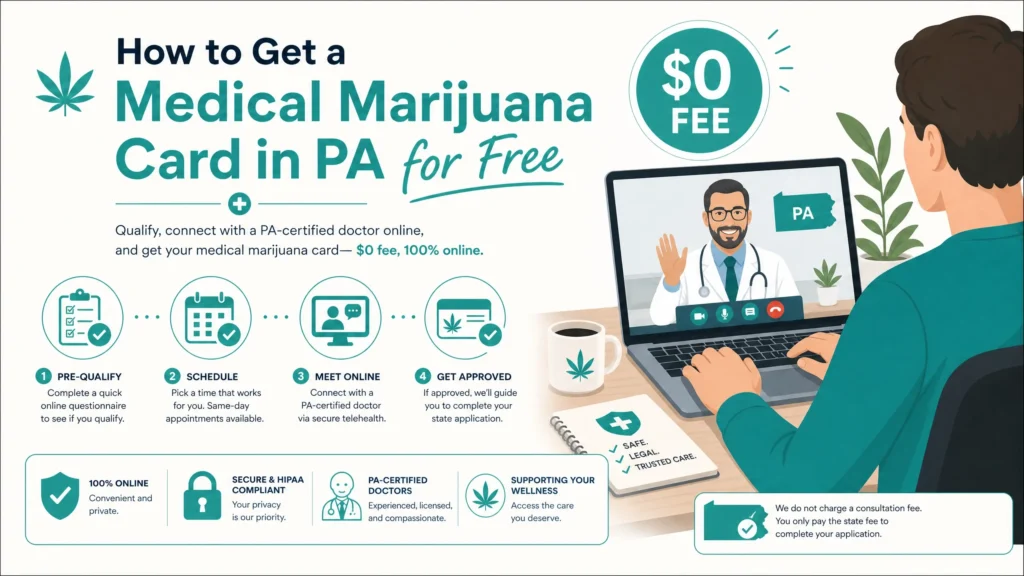
If you have a qualifying condition and want access to PA dispensary products with pharmacist-guided support, the certification process at Pennsylvania Marijuana Cards is completed online the same day via telehealth with Dr. Johnathon Chance Miller, MD.
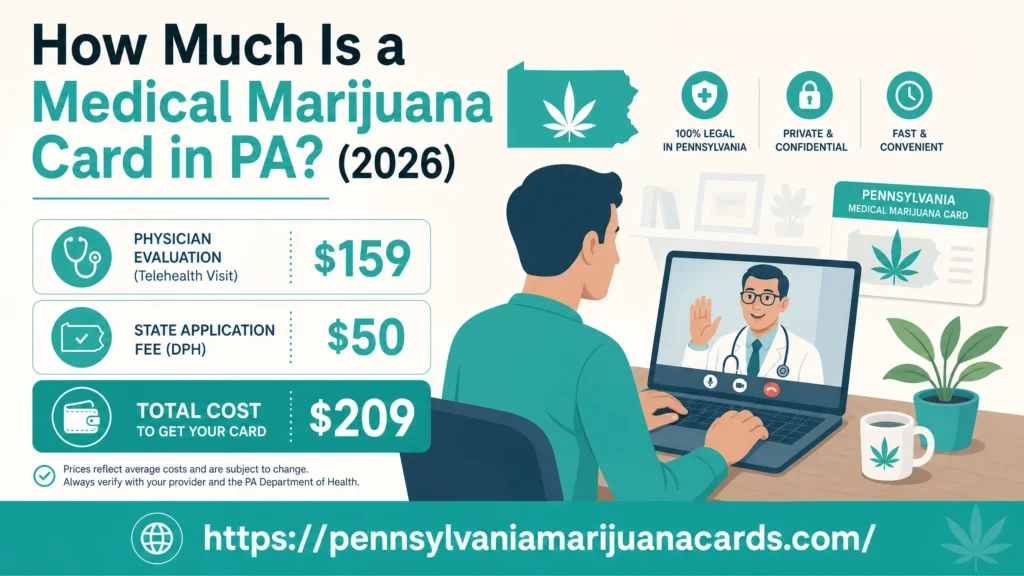
| Patient Type | Physician Fee | PA State Fee | Total |
|---|---|---|---|
| New Patient | $159 | $50 | $209 |
| Renewal | $149 | $50 | $199 |
| MMAP Qualifying Patients (Medicaid, SNAP, WIC, CHIP, PACE, PACENET) | — | $0 (waived) | Physician fee only |
Start your same-day certification here.
Frequently Asked Questions
Q: Do THC gummies affect your liver?
A: At typical medical doses, THC gummies do not damage the liver in healthy adults. The NIH’s LiverTox database confirms that cannabis has not been linked to serum enzyme elevations or clinical liver injury in large case series of drug-induced liver damage. Oral THC does pass through the liver via first-pass metabolism, where it is converted to 11-hydroxy-THC by CYP2C9 and CYP3A4 enzymes. This process makes gummies more potent per milligram than inhaled THC, but does not harm the liver itself at normal doses. People with pre-existing liver disease, or those taking medications that use the same CYP pathways, should discuss cannabis use with a physician or pharmacist before starting.
Q: Can THC gummies cause diarrhea?
A: Yes, in some cases, though cannabis more commonly slows rather than speeds GI motility. THC can overstimulate the GI endocannabinoid system at high doses, causing looser stools in some individuals. Diarrhea is more commonly a withdrawal symptom when stopping chronic cannabis use than a side effect of active use. Sugar alcohols used as sweeteners in some gummies are also a common cause of diarrhea unrelated to the THC itself. For people with IBD or Crohn’s disease, medical cannabis more often reduces diarrhea and abdominal pain than causes it. If GI issues persist with THC gummy use, discuss with a dispensary pharmacist or your certifying physician.
Q: Can THC cause diarrhea?
A: THC can cause GI disruption in some users, including diarrhea, but this is not the most common effect. Cannabis generally activates CB1 and CB2 receptors in the gut that slow motility, which is why it is used therapeutically for nausea and GI conditions. Diarrhea from THC is more often seen with: very high doses that overstimulate the endocannabinoid system; cannabis withdrawal in chronic heavy users; Cannabinoid Hyperemesis Syndrome (CHS); or contaminated unregulated products. At typical medical doses from tested Pennsylvania dispensary products, GI side effects are uncommon.
Q: Are THC gummies addictive?
A: THC gummies can contribute to cannabis use disorder (CUD) in a subset of users. According to NIH StatPearls (updated March 2026), approximately 9% of all cannabis users develop CUD, rising to 25 to 30% among daily users. Oral THC products like gummies carry higher addiction risk than lower-potency formats because liver conversion to 11-hydroxy-THC increases effective potency per milligram, and the delayed onset (45 to 90 minutes) can lead to inadvertent over-consumption through redosing. Risk is lower for people using cannabis at low to moderate doses for documented medical conditions, taking periodic breaks, and starting use as adults rather than adolescents.
Q: Does THC thin your blood?
A: THC has mild antiplatelet and anticoagulant properties, primarily through inhibition of the CYP2C9 liver enzyme. On its own at typical doses, this effect is modest in healthy adults and not clinically dangerous. The concern is more significant in combination with prescription blood thinners. THC inhibits CYP2C9, the primary metabolic pathway for warfarin, causing warfarin to accumulate at higher levels than prescribed. Case reports document significant INR elevation in patients combining cannabis with warfarin. If you take warfarin, Eliquis, Xarelto, Pradaxa, or other anticoagulants, discuss cannabis use with your prescriber and plan for more frequent INR monitoring.
Q: What PA dispensary pharmacist questions should I ask about THC and my medications?
A: Every licensed Pennsylvania dispensary is required by state law to have a pharmacist on staff. Key questions to ask: Do any of my current medications interact with THC through CYP2C9 or CYP3A4? Which oral product format is best for my condition? What starting dose do you recommend? Are there any lab values I should monitor more closely while using oral cannabis? Should I talk to my prescribing physician before starting? Bring a current medication list. The pharmacist consultation at any PA licensed dispensary is available at no additional cost during regular business hours and requires no appointment.
Q: How does first-pass liver metabolism affect THC gummies?
A: When you swallow a THC gummy, capsule, or tincture, the THC travels from your gut through the liver before reaching your bloodstream. During this first-pass metabolism, CYP2C9 and CYP3A4 liver enzymes convert delta-9 THC into 11-hydroxy-THC, a more potent compound that crosses the blood-brain barrier more efficiently and clears more slowly than inhaled THC. This is why oral THC products feel stronger and last longer than the same milligram dose from a vaporizer, and why timing your dose correctly (waiting a full 90 minutes before assessing effect) is important to avoid over-consuming before the first dose peaks.
Medical Disclaimer
This blog post is intended for general educational and informational purposes only and does not constitute medical advice. Drug interactions between THC and prescription medications are complex and individual. Do not modify any prescription medication dose or schedule based on this article. Always disclose cannabis use to your treating physicians and review potential interactions with a qualified pharmacist before starting oral THC products, particularly if you take anticoagulants, antidepressants, anti-epileptics, or antipsychotics. Medically reviewed by Dr. Johnathon Chance Miller, MD.
Sources
- NIH LiverTox — Marijuana: Clinical and Research Information on Drug-Induced Liver Injury (updated February 2023)
- Brunet L et al. — Marijuana smoking does not accelerate progression of liver disease in HIV-hepatitis C coinfection. Clinical Infectious Diseases (2013)
- PMC — Evaluation of Potential Drug-Drug Interactions with Medical Cannabis (2024, PMC11079547)
- New Hampshire DHHS — Cannabis-Drug Interactions: A Pharmacist’s Guide (December 2025)
- Wayne State University / Digital Commons — Anticoagulant Drug-Drug Interactions with Cannabinoids
- DC Department of Health — Medical Cannabis Adverse Effects and Drug Interactions (CYP enzyme reference)
- PubMed — The Potential for Pharmacokinetic Interactions Between Cannabis Products and Conventional Medications (Alsherbiny et al.)
- DrOracle.ai — Does cannabis act as a mild blood thinner? (August 2025, clinical evidence summary)
- DrOracle.ai — Can cannabis use cause diarrhea in a healthy adult? (January 2026, Praxis Medical Insights guideline summary)
- CannadrX — Can Weed Cause Diarrhea? How Marijuana Affects Digestion (December 2025)
- Compassionate Clinics of America — Medical Cannabis and Gastrointestinal Disorders: IBD, Crohn’s, diarrhea outcomes
- NIH StatPearls — Cannabis Use Disorder (updated March 2026, Nimmana, Aslam, Marwaha)
- CannabisMD TeleMed — Do Edibles Affect Your Liver? What THC Gummies Actually Do (June 2026)
- Pennsylvania Marijuana Cards — First PA Dispensary Visit Guide