
Muscle spasms are one of Pennsylvania’s 24 qualifying conditions for the medical marijuana program under Act 16 of 2016.
Not every instance of muscle tightness qualifies. Pennsylvania law specifies that spasms must be “persistent and debilitating” to meet the threshold for certification. Understanding what that means, what the research says about cannabis for muscle spasms, and which products at PA dispensaries are most likely to help is what this guide covers.
Need a PA Medical Marijuana Card?
Get certified online in 15 minutes. 100% Money-Back Guarantee.
Get Certified Now →The research picture in 2026 is more nuanced than most patient guides present. Some evidence is strong and consistent. Some is mixed. Getting an accurate understanding of both helps you work more effectively with your certifying physician and dispensary pharmacist.
Key Takeaways
| Topic | Key Point |
|---|---|
| PA qualifying condition | “Persistent and debilitating” muscle spasms qualify under Act 16 of 2016 |
| Strongest evidence | THC:CBD combination products for MS-related spasticity, supported by 27 RCTs with 3,000+ patients |
| 2026 key finding | A June 2026 crossover trial found 1:1 THC:CBD oil reduced self-reported spasticity in spinal cord injury patients |
| Honest evidence gap | A well-powered RCT (134 patients) found no statistically significant difference for THC, CBD, or combination vs placebo on measured spasticity intensity |
| Best product approach | 1:1 or 3:1 CBD:THC ratio tinctures or vaporized flower with myrcene-rich terpene profiles |
| Drug interaction warning | CBD inhibits metabolism of baclofen and tizanidine through CYP450 pathways, discuss with prescribing physician before adding cannabis |
Is Muscle Spasm a Qualifying Condition in Pennsylvania?
Yes. Pennsylvania’s Medical Marijuana Act (Act 16 of 2016) lists “severe, persistent, or intractable epilepsy” separately but also includes a broader category of qualifying conditions that encompasses persistent and debilitating muscle spasms.
The PA Department of Health’s condition list specifically includes muscle spasms among the 24 recognized qualifying conditions.
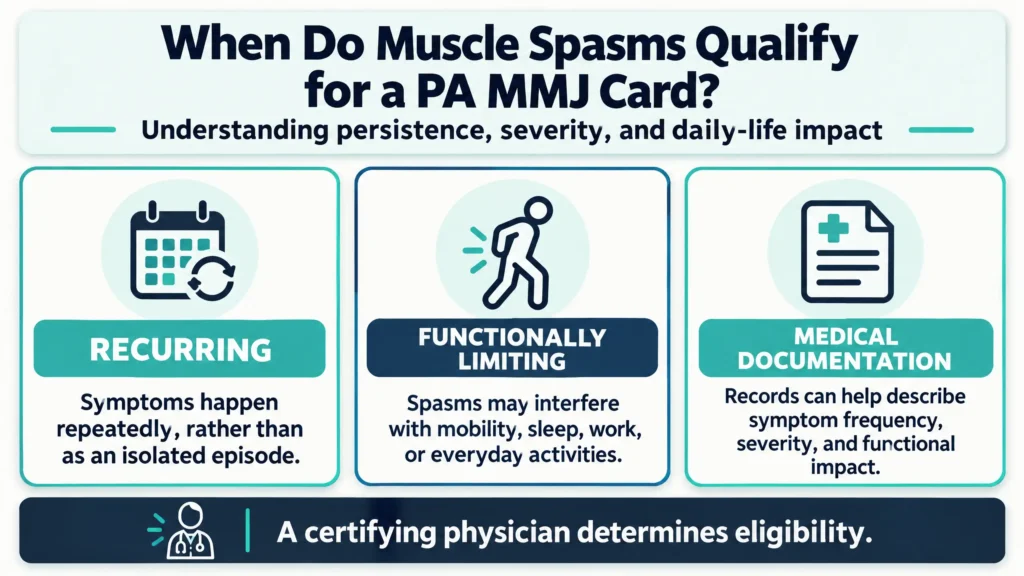
The key statutory language is “persistent and debilitating.” This matters because it sets a threshold above occasional or mild muscle tightness.
Do You Qualify for a PA MMJ Card?
Connect with a licensed Pennsylvania state physician online from home.
What “persistent and debilitating” generally means in practice:
- Spasms that recur regularly, not just an isolated incident
- Spasms that meaningfully interfere with daily activities, mobility, sleep, or work
- Spasms documented in your medical record with notes on frequency, severity, and functional impact
- Spasms that have persisted despite attempting conventional treatment
You do not need to have exhausted every possible conventional treatment before seeking MMJ certification. But having documentation that the condition is ongoing and affecting your life strengthens your certification.
If your spasms are associated with a separately recognized qualifying condition, such as multiple sclerosis, ALS, spinal cord disease, PTSD, or chronic pain, that underlying condition may itself qualify you even if the spasms alone are borderline.
Three Types of Muscle Spasms: Why the Category Matters
Not all muscle spasms are the same condition, and the type of spasm you experience affects which cannabis approach is most likely to help.
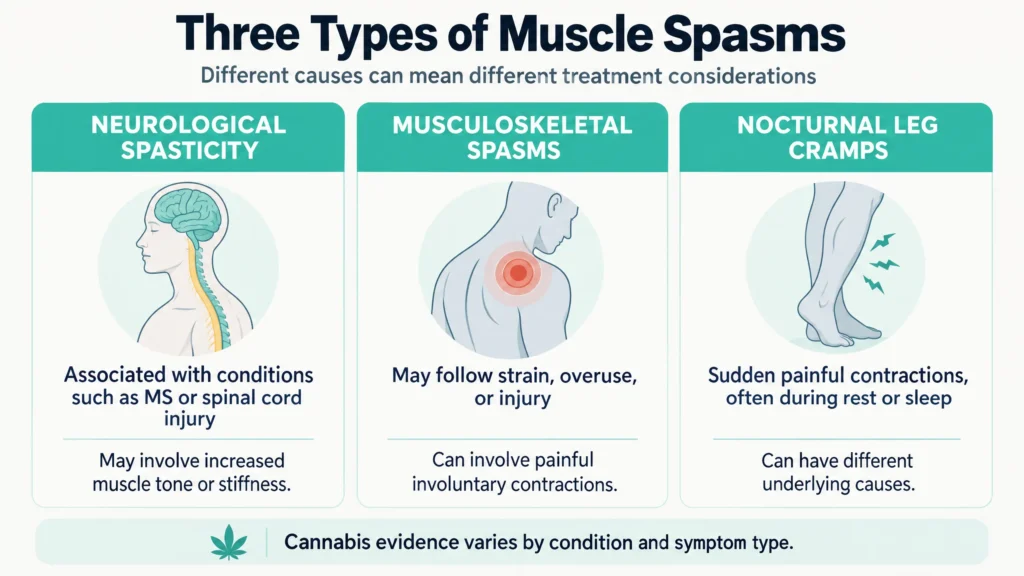
Type 1: Neurological spasticity
Spasticity from upper motor neuron damage causes persistent, velocity-dependent muscle stiffness rather than sudden cramps.
This is the type associated with multiple sclerosis, spinal cord injury (SCI), ALS, stroke, and cerebral palsy.
It has the strongest cannabis evidence base. The FDA-reviewed Nabiximols (Sativex), a 1:1 THC:CBD oromucosal spray, is approved in many countries specifically for MS-related spasticity refractory to other treatments. This is the condition where the most rigorous clinical trials exist.
Type 2: Musculoskeletal muscle spasms
Involuntary contractions from muscle injury, overuse, chronic back pain, fibromyalgia, or repetitive strain.
These are more common than neurological spasticity and represent a large portion of PA MMJ patients seeking help for spasms.
The evidence base here is less specific, but cannabis’s mechanisms for reducing pain signal transmission and muscle tension are relevant. These patients often respond well to the same cannabinoid approaches used for chronic pain.
⚡ Fast & 100% Online PA Medical Cards
Board-Certified Doctors • 100% Money-Back Guarantee
Book Evaluation Now →For more on cannabis and chronic pain, see our best CBD tinctures for pain guide.
Type 3: Nocturnal leg cramps
Sudden, painful cramps occurring during sleep or at rest, not associated with neurological damage.
The least-studied category for cannabis specifically. General muscle-relaxant and sedative effects of myrcene-rich, higher-THC products may help with this subtype.
How Cannabis Works on Muscle Spasms: The Mechanism
Understanding the proposed mechanism helps explain why THC:CBD combinations appear more effective than either alone.
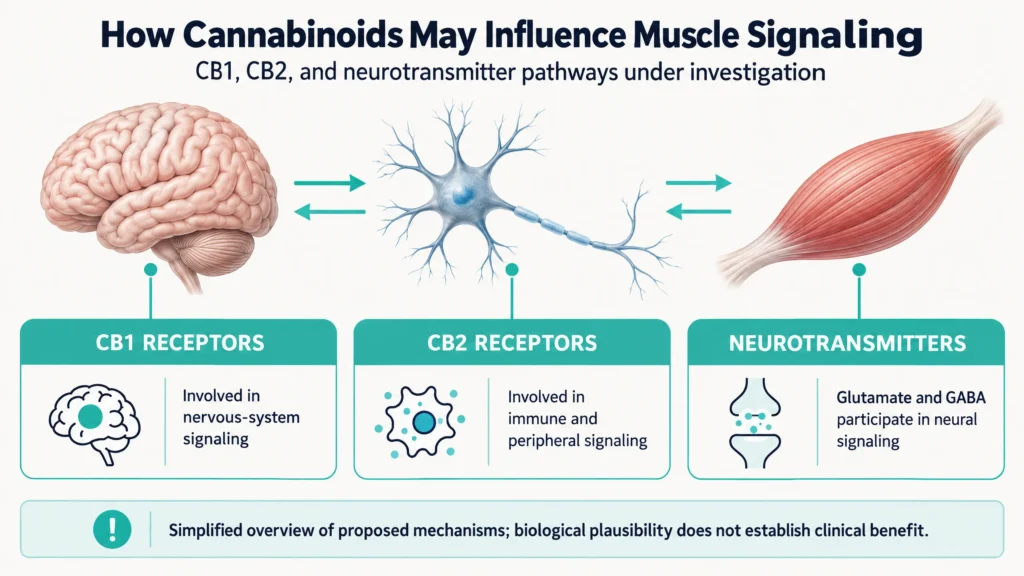
CB1 receptor activation and glutamate reduction
CB1 receptors are found in high concentrations in the cerebellum and substantia nigra, brain regions that control muscle coordination and tone.
THC activates these CB1 receptors, which reduces excitatory glutamatergic neurotransmission. In simpler terms: glutamate is the “accelerator” for muscle signals. THC turns down the accelerator signal, reducing the involuntary firing that produces spasms and stiffness.
As the Utah Medical Cannabis evidence summary describes: it has been proposed that cannabinoids, particularly delta-9-tetrahydrocannabinol (THC), could improve spasticity by reducing excitatory glutamatergic neurotransmission.
CB2 receptor activation and inflammation reduction
CB2 receptors are concentrated in immune cells and peripheral tissues including muscle and connective tissue.
CBD and caryophyllene (a terpene) activate CB2 receptors, reducing inflammatory cytokine production. For musculoskeletal spasms driven by inflammation, this peripheral anti-inflammatory pathway is directly relevant.
GABA modulation
Some research suggests cannabinoids also modulate GABA signaling, the brain’s primary inhibitory neurotransmitter.
Increasing GABA activity helps counteract the excessive neural firing that underlies muscle spasms, complementing the glutamate-reduction effect of CB1 activation.
Renewing Your PA MMJ Card?
Quick annual recertification online. No paperwork hassle.
Renew Card Online →These three mechanisms together explain why THC and CBD in combination appear more effective than either alone for spasticity in clinical trials.
What the Research Actually Shows in 2026
The evidence base for cannabis and muscle spasms expanded significantly in 2025 and 2026 with several important publications.
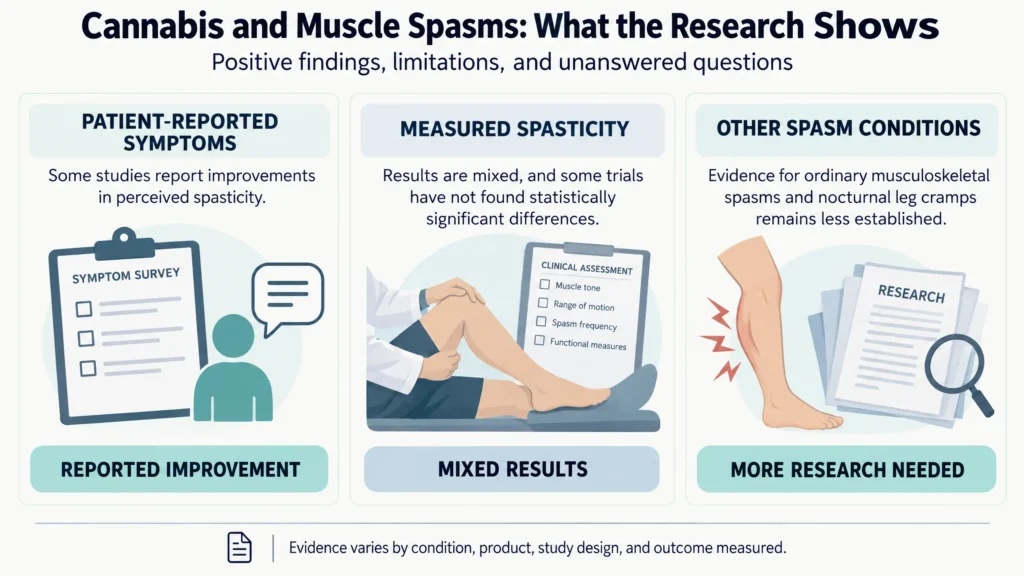
The 2026 systematic review of 27 RCTs (3,000+ MS patients)
A systematic review and network meta-analysis published in August 2026, analyzed 27 randomized controlled trials with over 3,000 participants specifically examining cannabinoids for MS-related spasticity.
The findings: THC:CBD extracts reduced patient-reported spasticity compared to placebo with a mean difference of -0.82 on the assessment scale. The network meta-analysis confirmed the superiority of THC:CBD combinations over either cannabinoid alone.
The honest qualification from the authors: heterogeneity across studies was substantial (I2 = 53%), suggesting that benefits varied considerably between trials, and evidence certainty was graded as low.
The 2026 SCI crossover trial (1:1 THC:CBD oil)
A placebo-controlled, double-blind crossover trial published in Therapeutic Advances in Neurological Disorders in August 2026 specifically tested 1:1 THC:CBD oil in chronic spinal cord injury patients.
This is particularly relevant for PA patients because it tests the same type of product available at licensed PA dispensaries.
The trial found: cannabinoids may reduce spasticity in patients with spinal cord injury, and assessed the effect of naturally extracted 1:1 THC:CBD oil on reducing spasticity in chronic SCI patients.
The 2026 systematic review in Clinical Therapeutics
Published January 2026, this meta-analysis found that cannabis-based therapies are associated with clinically meaningful improvements in MS-related spasticity, particularly over longer durations.
The 2026 University of Sydney observational study
Published in the Journal of Pharmacology and Experimental Therapeutics, this large Australian observational study examined CBD, THC, and combination products across multiple spasticity and spasm conditions. It found improvements in health-related quality of life outcomes including pain interference, sleep disturbance, and physical function alongside spasm reduction.
The Honest Mixed Evidence Picture
Intellectual honesty about the evidence builds more trust than cherry-picked positive findings.
Get Approved by a Licensed PA Doctor
Schedule your appointment in minutes. You only pay if approved.
Start Online Application →One important trial complicates the positive picture.
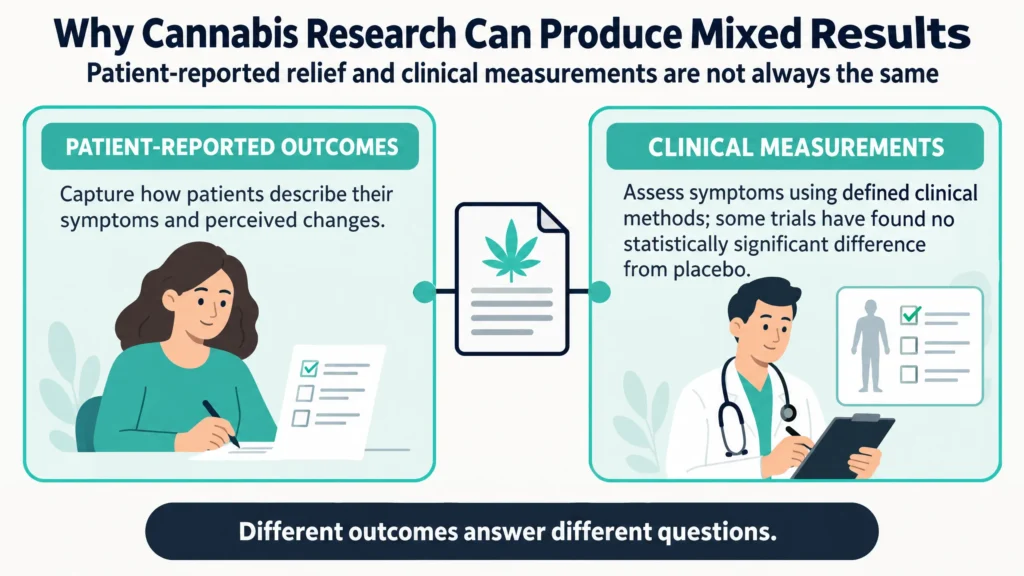
A randomized, double-blind, placebo-controlled trial published in PMC enrolled 134 patients with MS and spinal cord injury and tested THC alone, CBD alone, and THC combined with CBD against placebo.
The finding: no significant difference was found for mean spasticity intensity between any active treatment group and placebo.
This is a meaningful negative result from a rigorous trial, even though it was underpowered (originally designed for 448 patients but reduced due to COVID-19 recruitment challenges).
The evidence picture for cannabis and muscle spasms in 2026 is therefore:
- Strongest signal: Patient-reported spasticity improvement in MS, consistently found across multiple trials and the 2026 meta-analysis
- Weaker signal: Objective measured spasticity improvement, with some trials finding no significant difference
- Emerging signal: Benefits for SCI and chronic musculoskeletal spasms
The evidence supports a trial of cannabis-based treatment for persistent debilitating spasms. Realistic expectations are modest symptom improvement rather than complete elimination.
Many PA patients with qualifying spasm conditions find meaningful relief from cannabis without the side effects of conventional muscle relaxants like baclofen or cyclobenzaprine. The evidence supports trying cannabis as an adjunct or alternative, not as a cure.
How cannabis compares to conventional spasm treatments:
| Treatment | Mechanism | Evidence for Spasms | Common Side Effects |
|---|---|---|---|
| Baclofen | GABA-B agonist, reduces excitatory signaling | Strong for neurological spasticity | Sedation, weakness, withdrawal risk |
| Tizanidine | Alpha-2 agonist, reduces spasm signals | Moderate for MS/SCI spasticity | Sedation, liver toxicity risk |
| Cyclobenzaprine | CNS depressant | Moderate for musculoskeletal spasms | Drowsiness, dry mouth, dependency risk |
| THC:CBD (1:1) | CB1 glutamate reduction + CB2 anti-inflammatory | Moderate for neurological spasticity | Intoxication at higher doses, dry mouth |
| CBD-dominant | CB2 anti-inflammatory, pain modulation | Emerging for musculoskeletal spasms | Minimal; drug interactions possible |
THC vs CBD vs Combination: Which Is Best for Spasms?
The research points consistently toward one answer: combination products outperform either cannabinoid alone for spasm and spasticity.
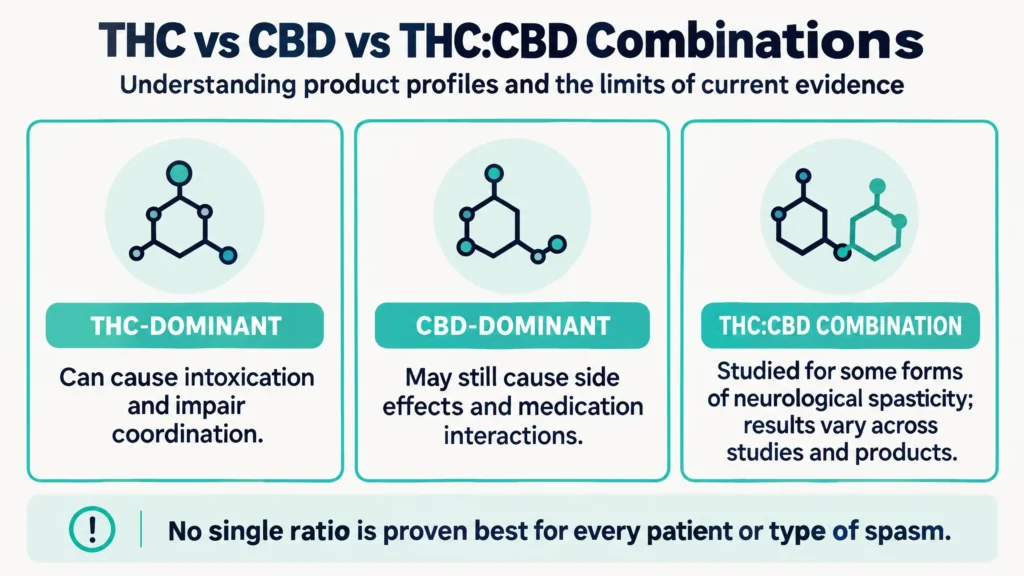
| Approach | Evidence for Spasms | Best For |
|---|---|---|
| THC alone | Moderate, CB1 mechanism directly reduces excitatory firing | Patients with established tolerance, breakthrough spasm relief |
| CBD alone | Moderate, anti-inflammatory CB2 pathway, less direct antispasmodic | Inflammatory musculoskeletal spasms, patients avoiding intoxication |
| 1:1 THC:CBD | Strongest overall evidence, synergistic CB1 and CB2 engagement | Neurological spasticity (MS, SCI), moderate to severe spasms |
| 3:1 or 5:1 CBD:THC | Useful for patients with lower THC tolerance or anxiety concerns | Musculoskeletal spasms, daytime use, newer patients |
For PA patients who have never used cannabis before, starting at a 5:1 or 10:1 CBD:THC ratio and gradually introducing more THC gives your body time to establish tolerance while still engaging the CB1 pathway relevant to spasm reduction.
Ready to Get Your Official PA MMJ Card?
State-certified doctor consultations online. No risk—100% refund if not approved.
Claim Your MMJ Card Online →For patients with MS or SCI whose spasticity is severe and persistent, a 1:1 THC:CBD ratio tincture or oral product aligns most closely with the Sativex research that provides the strongest clinical evidence base.
For a full guide to ratio tinctures available at PA dispensaries, see our CBD tinctures guide.
Terpenes for Muscle Spasm Relief at PA Dispensaries
Terpenes in full-spectrum cannabis products contribute meaningful antispasmodic and muscle-relaxant effects beyond the cannabinoid profile alone.
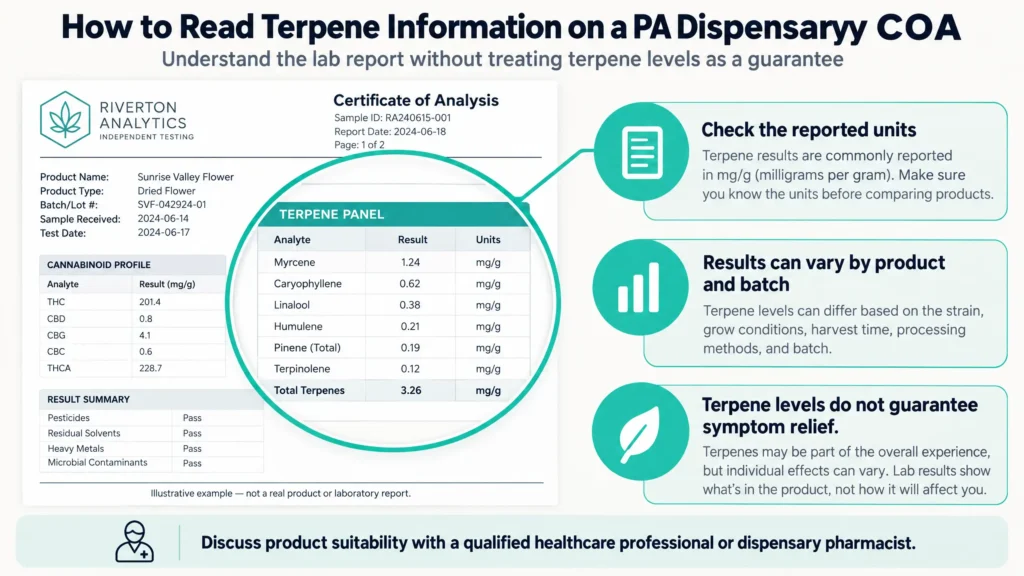
When reviewing PA dispensary COAs for muscle spasm treatment, look for these specific terpenes:
| Terpene | Target Level on COA | Why It Matters for Spasms |
|---|---|---|
| Myrcene | 0.5% or higher | Documented muscle-relaxant properties; enhances cannabinoid absorption |
| Caryophyllene | 0.3% or higher | CB2 anti-inflammatory activity; reduces peripheral muscle inflammation |
| Linalool | 0.2% or higher | GABA modulation reduces neural excitability driving spasms |
| Terpinolene | Any detectable | Associated with relaxing, sedative effects |
Myrcene is particularly relevant for muscle spasms.
Many indica-leaning PA dispensary flower products have high myrcene content (above 1%) alongside moderate-to-high THC. For evening and nighttime spasm relief, a high-myrcene, moderate-THC vaporized flower is a well-matched product profile.
For daytime spasm management where functional impairment from THC is a concern, a CBD-dominant tincture with high caryophyllene takes a different approach: the anti-inflammatory CB2 pathway through caryophyllene and CBD, with minimal THC-related impairment.
For a full guide to how terpenes affect cannabis effects, see our terpenes for anxiety guide.
For reading the COA terpene panel at your PA dispensary, see our how to read a PA dispensary COA guide.
Which PA Dispensary Products Work Best for Muscle Spasms?
Product selection should match your spasm pattern: when they occur, how severe they are, and how quickly you need relief.
For acute breakthrough spasms (fast relief needed)
Vaporized flower or concentrate through a dry herb vaporizer. Onset is 2 to 10 minutes. Effects resolve in 2 to 4 hours. A product with dominant myrcene and moderate THC (20 to 25% Total THC) is a natural starting point.
Pennsylvania law requires vaporization rather than smoking. Dry herb vaporizers at 350 to 375°F deliver myrcene and other relaxing terpenes efficiently.
For sustained daytime spasm management
Sublingual tinctures with 5:1 or 3:1 CBD:THC ratio. Onset is 15 to 45 minutes. Duration is 4 to 6 hours. Non-intoxicating at these ratios for most patients with some cannabis experience. Allows functional daily activity.
For nighttime spasm relief and sleep support
1:1 THC:CBD ratio tincture or a troche taken 60 to 90 minutes before sleep. THC reduces sleep onset latency. CBD preserves REM sleep. Myrcene-rich products amplify the physical relaxation component. Duration covers most of the sleep period.
For chronic, persistent neurological spasticity (MS, SCI, ALS)
A combination approach: daily CBD-dominant tincture as a baseline, with as-needed vaporized flower or 1:1 tincture for breakthrough spasm episodes. This aligns with how Sativex is used in clinical settings (scheduled and as-needed dosing) adapted for PA dispensary products.
Ask your dispensary pharmacist to look at your current product’s COA specifically for myrcene content and CBD percentage alongside Total THC. These three numbers together predict the antispasmodic potential better than any single metric.
Drug Interactions: What PA Patients on Spasm Medications Need to Know
Many patients seeking PA MMJ certification for muscle spasms are already taking conventional muscle relaxants.
CBD specifically inhibits CYP2C9 and CYP3A4 liver enzymes that process several common spasm medications.
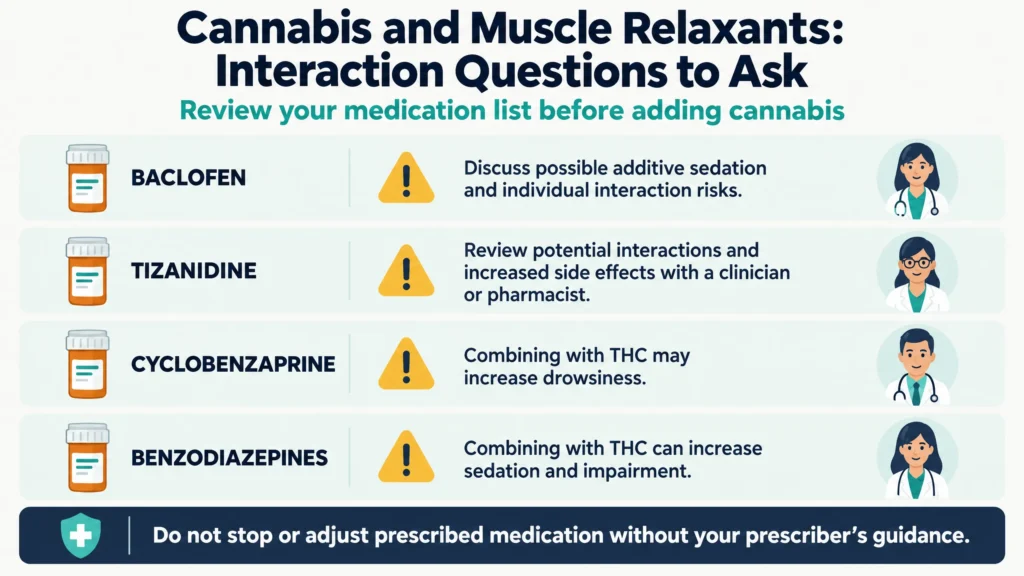
Baclofen
The most commonly prescribed spasm medication, used for MS-related spasticity and other neurological conditions.
CBD may increase baclofen blood levels by slowing its metabolism. The interaction can increase sedation and respiratory depression at high doses.
Do not adjust baclofen without your prescribing neurologist’s guidance when adding cannabis.
Tizanidine (Zanaflex)
A muscle relaxant used for MS-related spasticity and musculoskeletal spasms. Metabolized via CYP1A2.
CBD and THC may both affect tizanidine metabolism. Combining with high-dose CBD tinctures may increase tizanidine side effects.
Cyclobenzaprine (Flexeril)
A common short-term muscle relaxant. Both THC and cyclobenzaprine produce CNS depression and sedation. Combining the two amplifies sedative effects.
Benzodiazepines (Diazepam, etc.)
Sometimes used for severe spasticity. Combined with THC, the sedative effects are significantly amplified. Risk of excessive CNS depression at higher doses.
Drug interaction risk summary for common spasm medications:
| Medication | Interaction with CBD | Interaction with THC | Risk Level |
|---|---|---|---|
| Baclofen | May increase blood levels via CYP enzyme inhibition | Additive CNS depression | Moderate: discuss with neurologist |
| Tizanidine | CYP1A2 interaction possible | Additive sedation | Moderate: monitor closely |
| Cyclobenzaprine | Possible enzyme interaction | Additive sedation, increased drowsiness | Moderate |
| Benzodiazepines | CYP3A4 inhibition may increase levels | Significant additive CNS depression | High: physician oversight required |
| Gabapentin / Pregabalin | Minimal direct interaction | Additive sedation possible | Low to moderate |
The practical guidance
When you visit a licensed PA dispensary for the first time as a muscle spasm patient, bring a complete list of all current medications.
Every licensed PA dispensary has a pharmacist on-site who can review potential interactions and recommend product types and doses that minimize risk.
This is a free resource. It is particularly important for patients with neurological conditions who are typically on multiple medications with narrow therapeutic windows.
How to Document Muscle Spasms for PA MMJ Certification
The PA MMJ certification process requires that a physician determine you have one or more qualifying conditions and that medical marijuana may provide relief.
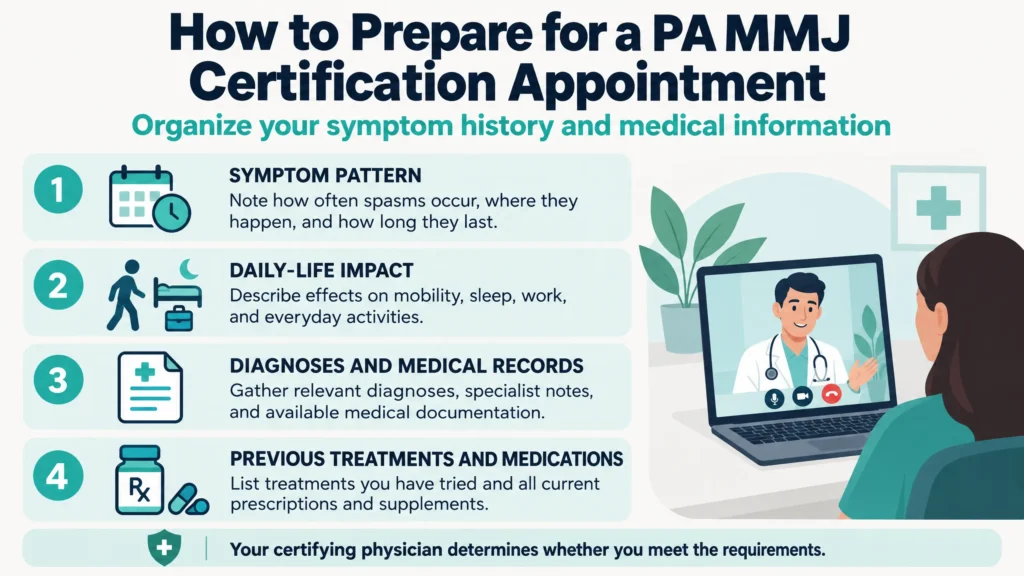
For muscle spasm patients, the strongest certification appointment is one where you can clearly describe:
The nature of your spasms
What type, involuntary jerking, sustained stiffness, painful cramping? Where in the body? How frequent, daily, multiple times per week? How long do they last?
The functional impact
How do the spasms affect your daily activities? Can you work? Drive? Sleep? Engage in hobbies? The “debilitating” threshold is met when spasms meaningfully limit function.
The underlying cause if known
MS, SCI, ALS, fibromyalgia, back injury, and chronic pain conditions all provide additional qualifying condition overlap. If you have a diagnosed neurological condition, bring that documentation.
What you have tried
Conventional treatments you have used or attempted. Physical therapy, stretching protocols, prescription muscle relaxants, and their results or why you discontinued them.
Existing medical records
Any physician notes, physical therapy records, imaging, or specialist evaluations mentioning muscle spasms are valuable supporting documentation.
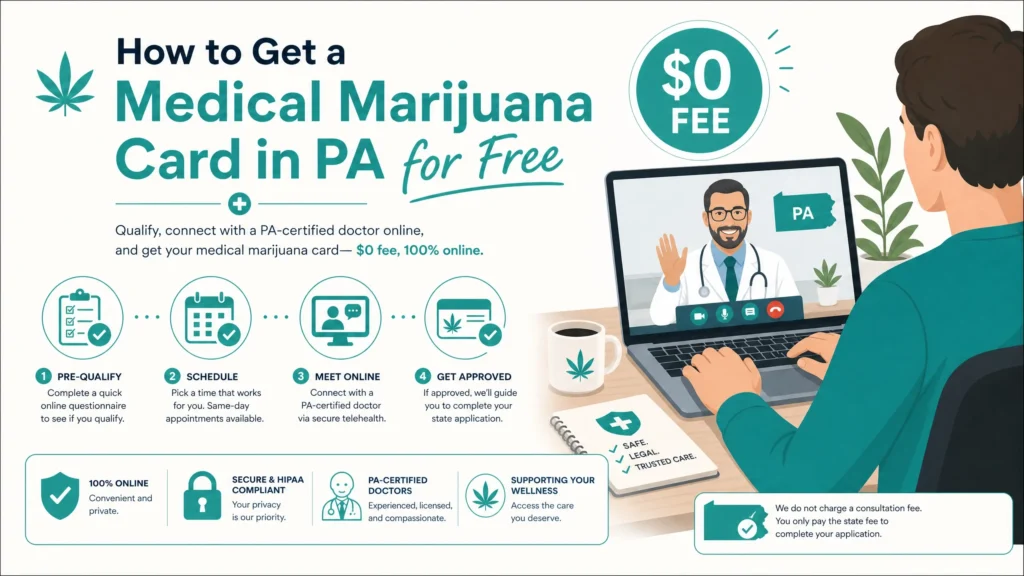
The PA MMJ certification through Pennsylvania Marijuana Cards is completed entirely online via telehealth with Dr. Johnathon Chance Miller, MD. The appointment takes 15 to 20 minutes and certifications are typically same-day.
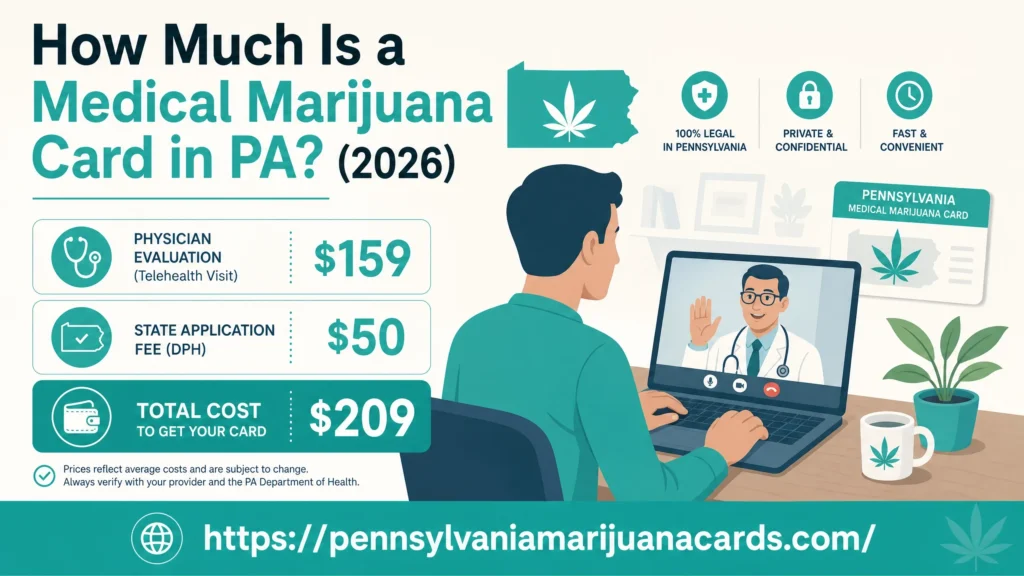
New patient certification is $159 plus the $50 state registration fee. For patients enrolled in Medicaid, SNAP, WIC, CHIP, PACE, or PACENET, the $50 state fee is waived through the MMAP program, making the total cost $159.
Check whether your condition qualifies here or get certified today.
Frequently Asked Questions
Q: Are muscle spasms a qualifying condition for the PA MMJ program?
A: Yes. Pennsylvania’s Medical Marijuana Act (Act 16 of 2016) includes persistent and debilitating muscle spasms as a qualifying condition.
The spasms must be documented as recurring, significantly impacting daily function, and persistent despite conventional management. Patients with MS, ALS, spinal cord injury, and chronic pain often qualify through those conditions as well.
Q: Does cannabis help with muscle spasms?
A: The strongest evidence exists for neurological spasticity in MS and SCI patients.
A 2026 systematic review of 27 randomized controlled trials with over 3,000 patients found THC:CBD combination products reduced patient-reported spasticity compared to placebo. A 2026 crossover trial specifically found 1:1 THC:CBD oil reduced spasticity in spinal cord injury patients.
Evidence for musculoskeletal spasms is more limited but mechanistically supported. Cannabis is best approached as an adjunct with realistic expectations of modest improvement.
Q: What type of cannabis product works best for muscle spasms?
A: The research points most strongly toward 1:1 THC:CBD combination products for neurological spasticity, aligned with Nabiximols (Sativex).
For musculoskeletal spasms, 3:1 to 5:1 CBD:THC tinctures with myrcene-rich full-spectrum profiles are a practical starting point.
For acute breakthrough spasms, vaporized flower with dominant myrcene provides onset in 2 to 10 minutes. Ask your PA dispensary pharmacist to match the product format to your spasm pattern.
Q: Can I use cannabis alongside baclofen or tizanidine?
A: With caution and physician oversight.
CBD inhibits liver enzymes that process baclofen, tizanidine, and other muscle relaxants, potentially increasing their blood levels and side effects. THC adds CNS depression that compounds sedative effects.
Inform your prescribing neurologist before adding cannabis. Ask your PA dispensary pharmacist about specific interaction risks for your full medication list.
Q: What is the difference between muscle spasms and muscle spasticity?
A: Spasticity is a specific neurological phenomenon: velocity-dependent resistance to passive muscle movement from upper motor neuron damage, as in MS, SCI, or stroke.
Spasms are broader, covering any involuntary muscle contraction regardless of cause.
Pennsylvania’s qualifying condition covers muscle spasms generally, including neurological spasticity and musculoskeletal types. The cannabis evidence base is stronger for spasticity specifically, but both categories are relevant.
Q: How quickly does cannabis help with muscle spasms?
A: For vaporized products, onset is 2 to 10 minutes. For sublingual tinctures, 15 to 45 minutes. For oral troches and capsules, 45 minutes to 2 hours.
For chronic spasticity management, most research protocols assessed outcomes at 4 to 12 weeks. Regular consistent use over weeks may produce better control than as-needed use alone.
A combination of daily tincture for baseline control plus as-needed vaporized flower for breakthrough spasms mirrors how Sativex is used clinically.
Q: How do I get a PA MMJ card for muscle spasms?
A: The PA MMJ certification process at Pennsylvania Marijuana Cards is completed entirely online via telehealth.
Schedule an appointment and complete a 15 to 20 minute video consultation with Dr. Johnathon Chance Miller, MD. If certified, register through the PA Department of Health portal at padohmmp.custhelp.com and pay the $50 state fee (waived through MMAP for qualifying assistance program enrollees).
Cost is $159 physician fee plus $50 state fee for new patients. Certification is typically same-day.
The Bottom Line
Muscle spasms are a recognized qualifying condition under Pennsylvania’s Medical Marijuana Act, and the research supporting cannabis-based treatment has strengthened considerably through 2025 and 2026.
The evidence is most robust for neurological spasticity (MS, spinal cord injury) where THC:CBD combination products consistently outperform placebo in patient-reported outcomes.
For musculoskeletal spasms, the biological mechanisms are sound and observational evidence is supportive, with more condition-specific research still developing.
The approach that best reflects current evidence: a 1:1 or 3:1 CBD:THC ratio tincture for daily management, vaporized myrcene-rich flower for breakthrough acute relief, and dispensary pharmacist consultation on your specific medication list before starting.
This blog post is intended for general educational and informational purposes only and does not constitute medical advice. Do not adjust prescription muscle relaxants without guidance from your prescribing physician. Cannabis can interact with baclofen, tizanidine, benzodiazepines, and other medications commonly prescribed for muscle spasms. Always disclose all medications to your PA dispensary pharmacist at your first visit. Medically reviewed by Dr. Johnathon Chance Miller, MD.
Sources
- PMC 2026: Medical Cannabis for Spasticity in Spinal Cord Injury, Double-Blind Crossover Trial (August 2026)
- CED Clinic: Cannabinoids for MS Spasticity, 2026 Systematic Review of 27 RCTs, 3,000+ Patients (August 2026)
- Clinical Therapeutics 2026: Cannabis-Based Therapies for MS Spasticity, Systematic Review and Meta-Analysis (January 2026)
- PubMed 2026: Medicinal Cannabis for Muscle Spasticity and Spasms, University of Sydney Observational Study (January 2026)
- PubMed 2026: Therapeutic Use of Medical Cannabis Beyond Pain Management, Physical Medicine Review (July 2026)
- PMC: Cannabis-Based Medicine for Neuropathic Pain and Spasticity, Multicenter RCT (134 Patients)
- Utah Medical Cannabis: Persistent and Debilitating Muscle Spasms, Evidence Guidelines
- PMC: Medical Marijuana for Vismodegib-Related Muscle Spasm
- PA Department of Health: Qualifying Conditions for Medical Marijuana
- Pennsylvania Marijuana Cards: Qualifying Conditions
- Pennsylvania Marijuana Cards: Best CBD Tinctures for Pain
- Pennsylvania Marijuana Cards: CBD Tinctures Guide
- Pennsylvania Marijuana Cards: How to Read a PA Dispensary COA