
Nausea has one of the strongest evidence bases for cannabis treatment of any condition. The FDA approved synthetic THC medications for chemotherapy-induced nausea in 1985 and 1992, decades before most states legalized medical marijuana.
In Pennsylvania, nausea does not qualify on its own as a standalone qualifying condition. But it qualifies directly through two conditions that are explicitly listed in Pennsylvania’s 24 qualifying conditions under Act 16 of 2016: cancer and Crohn’s disease. For patients managing either condition, nausea relief is one of the most clinically supported applications of medical cannabis.
Need a PA Medical Marijuana Card?
Get certified online in 15 minutes. 100% Money-Back Guarantee.
Get Certified Now →This guide explains exactly how cannabis reduces nausea at a biological level, what the research says for each qualifying condition pathway, and the one critical warning every patient needs to understand before starting.
Key Takeaways
| Topic | Key Point |
|---|---|
| PA qualifying pathway | Nausea qualifies through cancer (qualifying condition) and Crohn’s disease (qualifying condition) under Act 16 of 2016 |
| Primary mechanism | THC activates CB1 and CB2 receptors in the dorsal vagal complex (DVC) of the brainstem, directly suppressing the vomiting reflex center |
| Strongest evidence | Chemotherapy-induced nausea and vomiting (CINV), where cannabis reduces both acute and delayed phases |
| Crohn’s disease evidence | Patients consistently report improved nausea and quality of life; RCTs show no improvement in inflammatory markers but meaningful symptom benefit |
| Critical warning | Cannabis hyperemesis syndrome (CHS): chronic heavy cannabis use can cause severe, cyclical vomiting in some patients, the opposite of the intended effect |
| Proactive dosing | Taking cannabis 30 to 60 minutes before chemotherapy, not just when nausea begins, produces better preventive outcomes |
Is Nausea a Qualifying Condition in Pennsylvania?
Nausea is not listed as a standalone qualifying condition in Pennsylvania’s medical marijuana program. However, it qualifies through two conditions that are explicitly recognized under Act 16 of 2016.
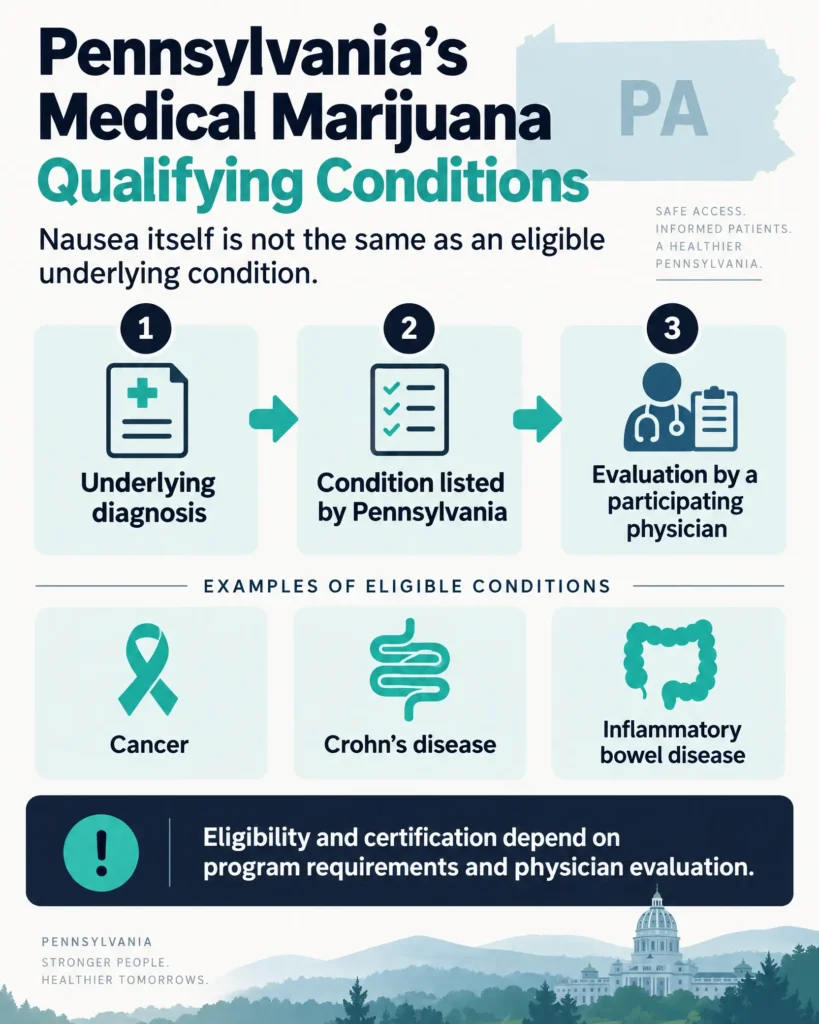
Cancer: Pennsylvania explicitly lists cancer as a qualifying condition. Chemotherapy-induced nausea and vomiting (CINV) is one of the most debilitating and common side effects of cancer treatment. Nausea relief through cannabis is directly applicable and well-supported for this patient population.
Crohn’s disease: Pennsylvania also lists Crohn’s disease as a qualifying condition. Chronic nausea, abdominal pain, and appetite loss are core symptoms of Crohn’s. Cannabis addresses these symptoms through both CB1 mechanisms in the gut-brain axis and CB2 anti-inflammatory pathways in gut tissue.
Do You Qualify for a PA MMJ Card?
Connect with a licensed Pennsylvania state physician online from home.
If your nausea stems from one of these conditions, you have a clear qualifying pathway.
If your nausea is caused by a condition not currently on PA’s qualifying list (such as hyperemesis gravidarum in pregnancy), you do not have a PA MMJ pathway for that specific cause, though a physician can evaluate whether any other aspects of your medical history qualify.
For the complete list of PA’s 24 qualifying conditions, see our qualifying conditions guide.
How the Body Controls Nausea and Vomiting
Understanding how nausea works makes the cannabis mechanism clearer.
Nausea and vomiting are not stomach responses. They are brain responses.
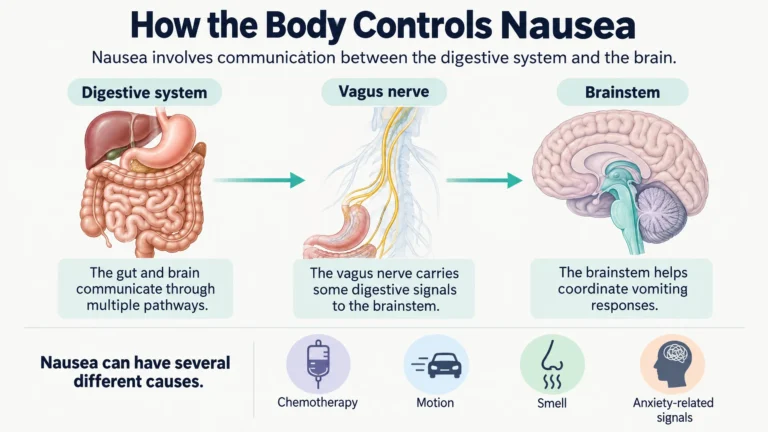
The gut-brain axis coordinates the experience of nausea. When the gastrointestinal tract detects an irritant, infection, or chemical agent (including chemotherapy drugs), it sends signals primarily through the vagus nerve to the brainstem.
The brainstem also receives signals from the inner ear (motion sickness), higher brain centers (anticipatory nausea from anxiety), chemoreceptors that sample blood composition, and sensory organs detecting smells or sights associated with past nausea.
All of these pathways converge at the dorsal vagal complex (DVC) in the brainstem. The DVC is the master coordination center for nausea and vomiting. It receives all incoming nausea signals and initiates the physical response: muscle contractions, autonomic changes, and ultimately the vomiting reflex.
Neurotransmitters involved in activating the DVC include serotonin (5-HT), dopamine, histamine, substance P, and endocannabinoids.
Standard antiemetics work by blocking specific neurotransmitters at this level. Ondansetron blocks serotonin (5-HT3). Aprepitant blocks substance P (NK1). Cannabis works through a completely different mechanism.
How Cannabis Suppresses the Vomiting Reflex: The DVC Mechanism
⚡ Fast & 100% Online PA Medical Cards
Board-Certified Doctors • 100% Money-Back Guarantee
Book Evaluation Now →Cannabis’s antiemetic effect is direct and anatomically specific. CB1 and CB2 receptors are concentrated in the dorsal vagal complex, the same brainstem region that coordinates the vomiting reflex.
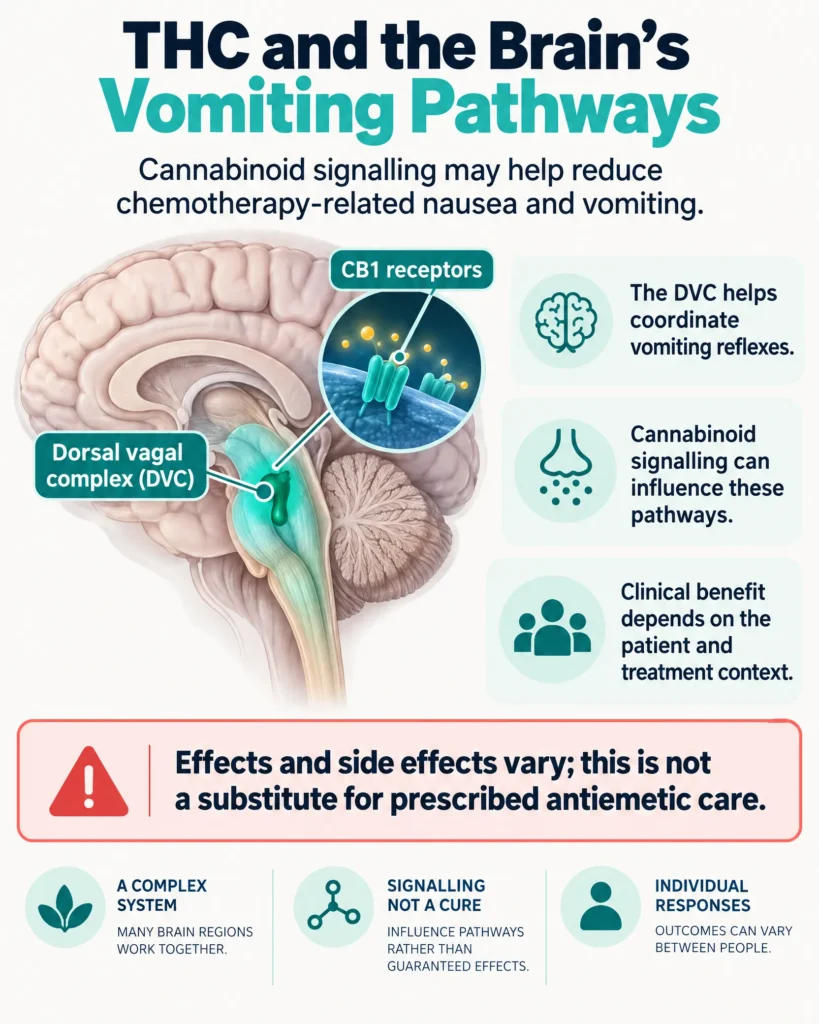
When THC activates CB1 receptors in the DVC, it directly suppresses the emetic reflex at its coordination center. As the research states: “The endocannabinoid system inhibits emesis physiologically by activating the CB1 and CB2 receptors localized in the dorsal vagal complex of the brainstem where emetic reflexes are integrated.”
This is why cannabis is effective against nausea that does not respond to standard antiemetics.
5-HT3 blockers like ondansetron work by blocking one neurotransmitter pathway (serotonin) at the DVC. When chemotherapy triggers nausea through multiple neurotransmitter pathways simultaneously, blocking only one may be insufficient. Cannabis acts directly on the DVC coordination center itself rather than on individual neurotransmitter inputs, giving it broader antiemetic coverage.
The research from Pharmaceuticals also identified that CB1 receptors are present throughout the gastrointestinal tract, not just the brainstem. THC reduces gut motility, decreases GI secretions, and reduces the sensitivity of vagal nerve afferents, all of which contribute to reducing the nausea signal before it reaches the brainstem.
Why CBD also helps with nausea
CBD’s antiemetic mechanism is different from THC’s.
CBD activates the 5-HT1A serotonin receptor subtype, distinct from the 5-HT3 subtype blocked by ondansetron. This indirect serotonin pathway activation reduces nausea signaling without the psychoactivity of CB1 activation.
CBDA (the raw, unheated precursor to CBD) shows even stronger 5-HT1A binding and may be particularly effective for nausea in some patients.
The Three Types of CINV and How Cannabis Addresses Each
Chemotherapy-induced nausea and vomiting has three clinically distinct phases. Cannabis evidence differs meaningfully across them.
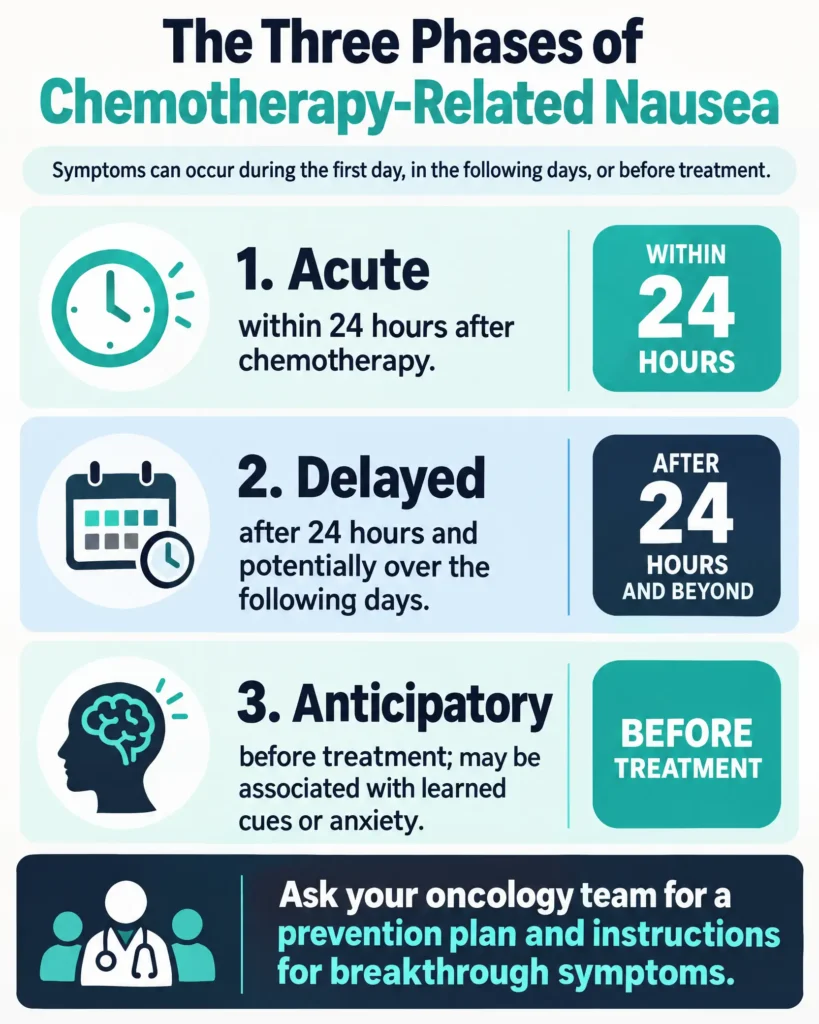
| CINV Phase | When It Occurs | Primary Mechanism | Cannabis Evidence |
|---|---|---|---|
| Acute CINV | Within 24 hours of chemotherapy | Serotonin release from gut enterochromaffin cells | Strong: THC directly suppresses DVC response to serotonin signal |
| Delayed CINV | 24 to 120 hours post-chemotherapy | Substance P release in brainstem | Moderate: THC helps but less consistently than for acute phase |
| Anticipatory CINV | Before chemotherapy (conditioned response) | Psychological conditioning, anxiety | Good: THC and CBD reduce anxiety-driven anticipatory nausea; best addressed proactively |
Cannabis approach by CINV phase
| CINV Phase | Timing | Cannabis Approach | Combined With Standard Care |
|---|---|---|---|
| Anticipatory | Day before and morning of chemo | Low-dose THC or CBD for anxiety reduction | Alongside prescribed antiemetics |
| Acute | Day of chemo | Proactive: 2.5-5mg THC sublingual 30-60 min before | Alongside ondansetron if prescribed |
| Delayed | Days 2 to 5 after chemo | Daily ratio tincture (3:1 CBD:THC) morning and evening | Gap where standard antiemetics underperform most |
The standard antiemetic gap
First-line antiemetics (5-HT3 blockers like ondansetron) work well for acute CINV but leave many patients with inadequate control of delayed CINV. NK1 inhibitors help with the delayed phase but are expensive and not universally available.
Cannabis addresses all three phases through the DVC CB1 mechanism, making it a meaningful adjunct even for patients already receiving standard antiemetic protocols.
Renewing Your PA MMJ Card?
Quick annual recertification online. No paperwork hassle.
Renew Card Online →Several oncology guidelines now include cannabinoids as second-line options specifically for patients with refractory or breakthrough CINV.
What the Research Shows for Cancer-Related Nausea
The evidence base for cannabis and CINV is the oldest and most established in medical cannabis research.
Dronabinol and nabilone: The FDA approved dronabinol (synthetic THC, brand name Marinol) for CINV in 1985 and nabilone (another synthetic cannabinoid) in 1992. Both remain approved and are sometimes available at PA dispensaries as reference points for THC-based antiemetic dosing.
The systematic review picture
A meta-analysis of oral cannabinoid trials for CINV found cannabinoids significantly more effective than placebo at preventing nausea and vomiting. The analysis found cannabinoids more effective than older antiemetics (prochlorperazine, domperidone) but with a different side effect profile.
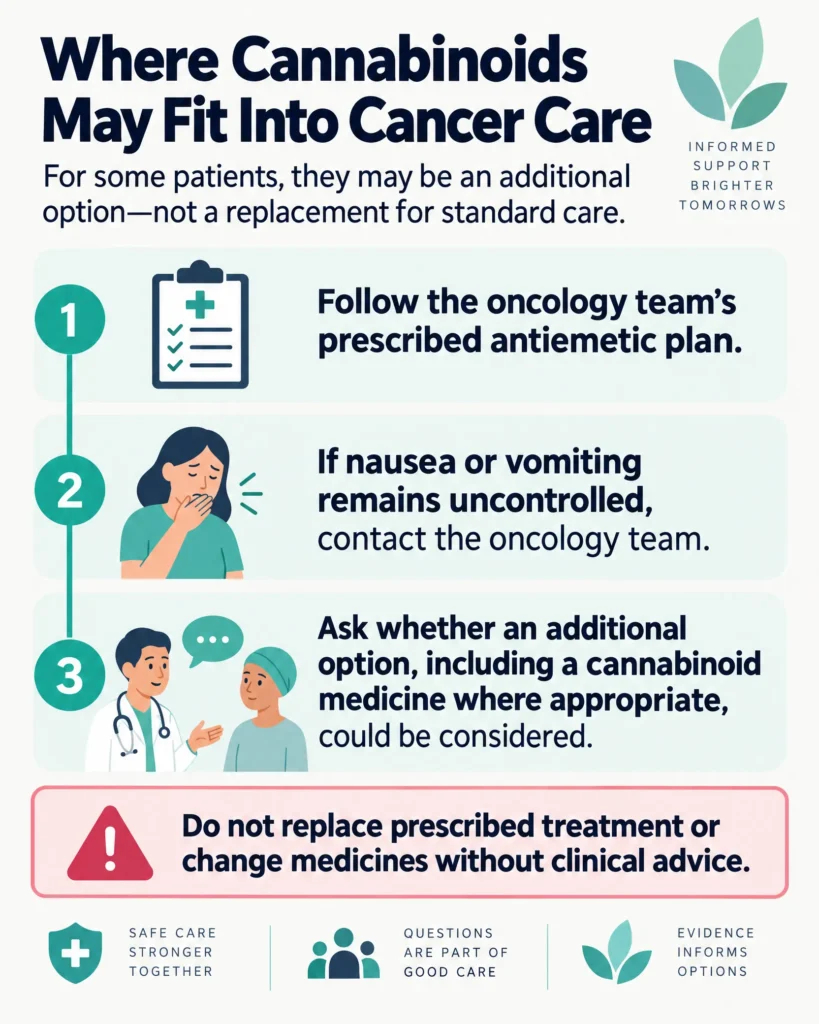
A randomized, double-blind, placebo-controlled Phase 2 trial specifically tested a CBD:THC cannabis extract for refractory CINV in patients who had not responded adequately to standard antiemetics. The results showed meaningful reduction in delayed CINV specifically.
The PA-specific clinical context
For PA cancer patients, the most relevant products are:
Low-dose THC troches or tinctures (2.5 to 5mg THC) taken proactively 30 to 60 minutes before chemotherapy sessions. Higher doses are not reliably better and increase side effect risk, particularly dizziness and cognitive effects that patients already managing cancer treatment may find challenging.
CBD-dominant or ratio products (3:1 or 5:1 CBD:THC) for maintenance between chemotherapy sessions to manage residual nausea and improve appetite and quality of life.
What the Research Shows for Crohn’s Disease and IBD
The Crohn’s evidence picture is more nuanced than for CINV, and being honest about what cannabis does and does not do here matters for patient expectations.
What five RCTs consistently found
Cannabis treatment did not improve objective inflammatory markers in Crohn’s disease. CRP (C-reactive protein), fecal calprotectin (a gut inflammation marker), and endoscopic findings did not show significant improvement in randomized controlled trials.
Cannabis does not appear to modify the underlying inflammatory disease process in Crohn’s.
What patients consistently report
Get Approved by a Licensed PA Doctor
Schedule your appointment in minutes. You only pay if approved.
Start Online Application →Across observational studies and patient surveys, Crohn’s and IBD patients using cannabis report meaningful improvements in nausea, abdominal pain, appetite, diarrhea, sleep, and quality of life.
A survey of 30 Israeli Crohn’s patients found 21 reported significant symptom improvement. A Puerto Rico study of 162 IBD patients found fewer emergency room visits and reduced impact on daily life after beginning cannabis use.
Cannabis evidence comparison: CINV vs Crohn’s nausea
| Factor | CINV (Cancer) | Crohn’s Disease Nausea |
|---|---|---|
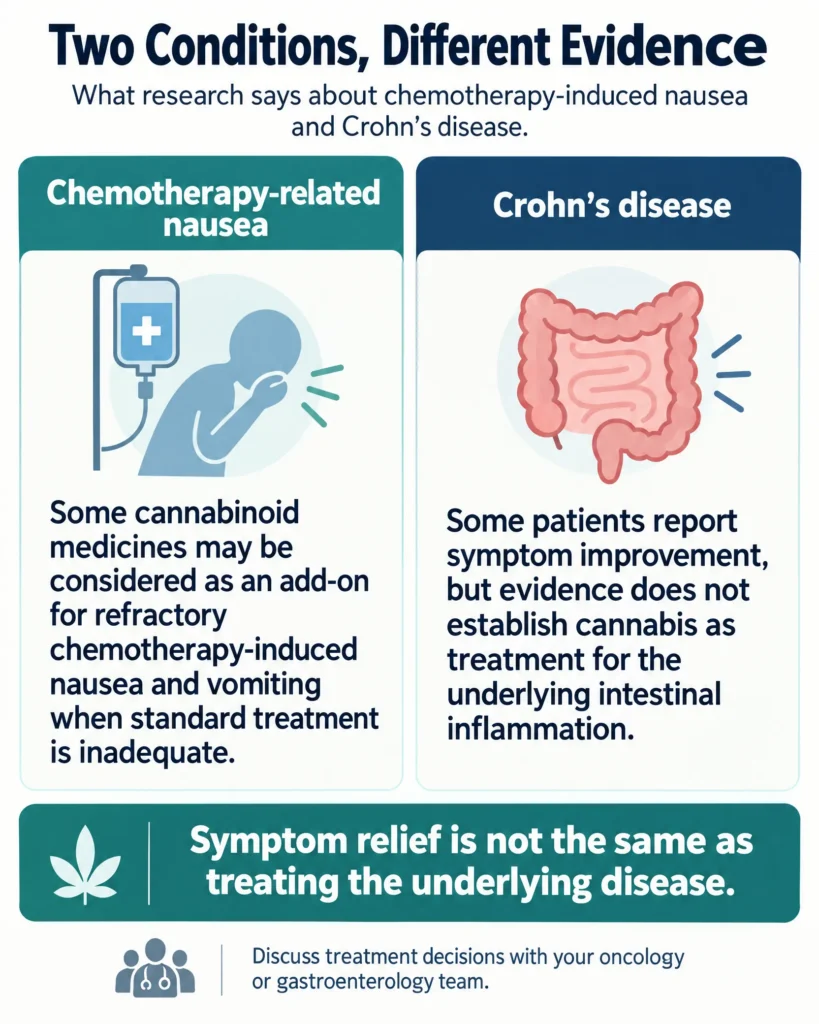
| Evidence strength | Strong: FDA-approved THC; multiple RCTs | Moderate: consistent patient reports; weak RCT evidence |
| RCT findings | Significantly better than placebo for acute and delayed CINV | No improvement in inflammatory markers; symptom improvement reported |
| Mechanism | Direct DVC CB1 suppression of chemotherapy-triggered reflex | CB1 gut-brain axis + CB2 anti-inflammatory in gut tissue |
| Best approach | Proactive dosing before treatment | Daily consistent dosing for symptom maintenance |
| PA qualifying pathway | Cancer (Act 16, 2016) | Crohn’s disease (Act 16, 2016) |
What a May 2026 study is examining
The New York State Office of Cannabis Management launched the first OCM-led clinical study in May 2026 specifically examining how oral doses of CBD and THC affect quality of life in adults with confirmed IBD. Results are expected in 2027 and may provide the most rigorous US-based evidence to date.
The practical takeaway for PA Crohn’s patients
Cannabis is well-supported for symptom management in Crohn’s, particularly nausea, pain, and appetite loss. It is not a substitute for disease-modifying treatments (biologics, immunosuppressants) and should be discussed with your gastroenterologist alongside, not instead of, conventional care.
CBDA: The Emerging Nausea Cannabinoid in Raw Products
Most cannabis patients are familiar with CBD. Fewer know about CBDA.
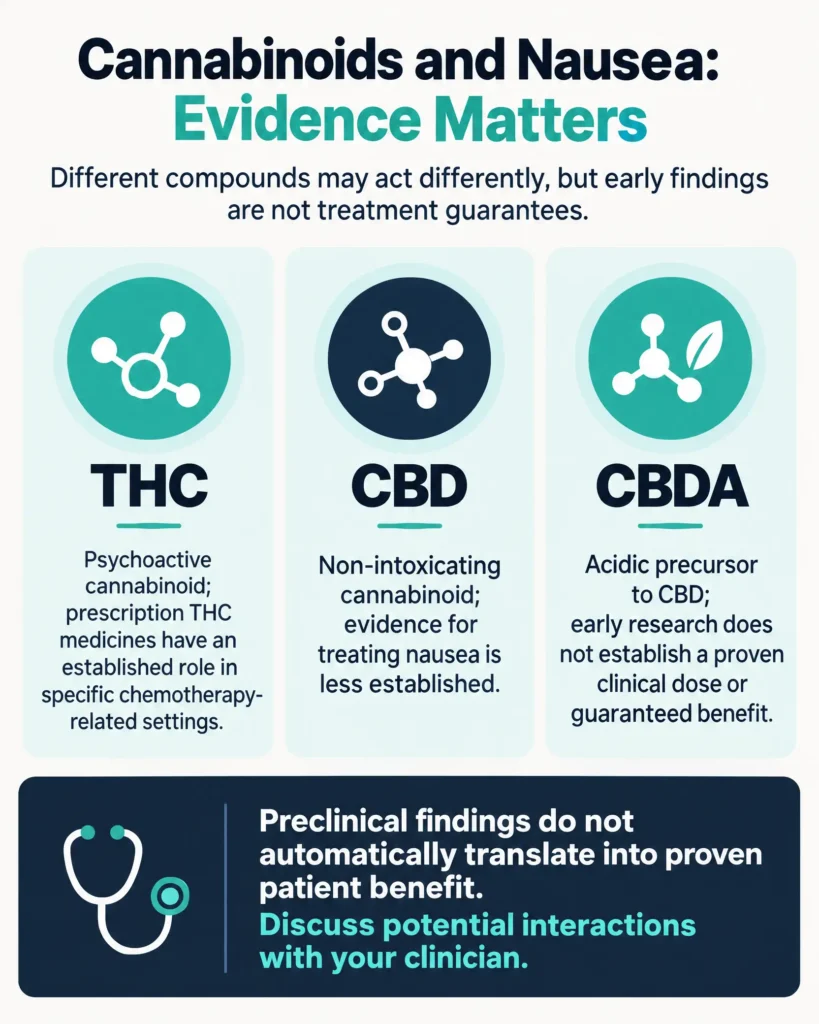
CBDA (cannabidiolic acid) is the raw, unheated precursor to CBD. When cannabis flower or concentrate is heated during vaporization, CBDA converts to CBD through decarboxylation.
Preclinical research suggests CBDA may be more potent than CBD for nausea and vomiting specifically, through particularly strong 5-HT1A receptor activation.
For PA patients interested in CBDA, this means raw (unheated) cannabis products or products specifically processed to retain CBDA content. Some PA dispensary tinctures and raw cannabis preparations retain CBDA alongside CBD.
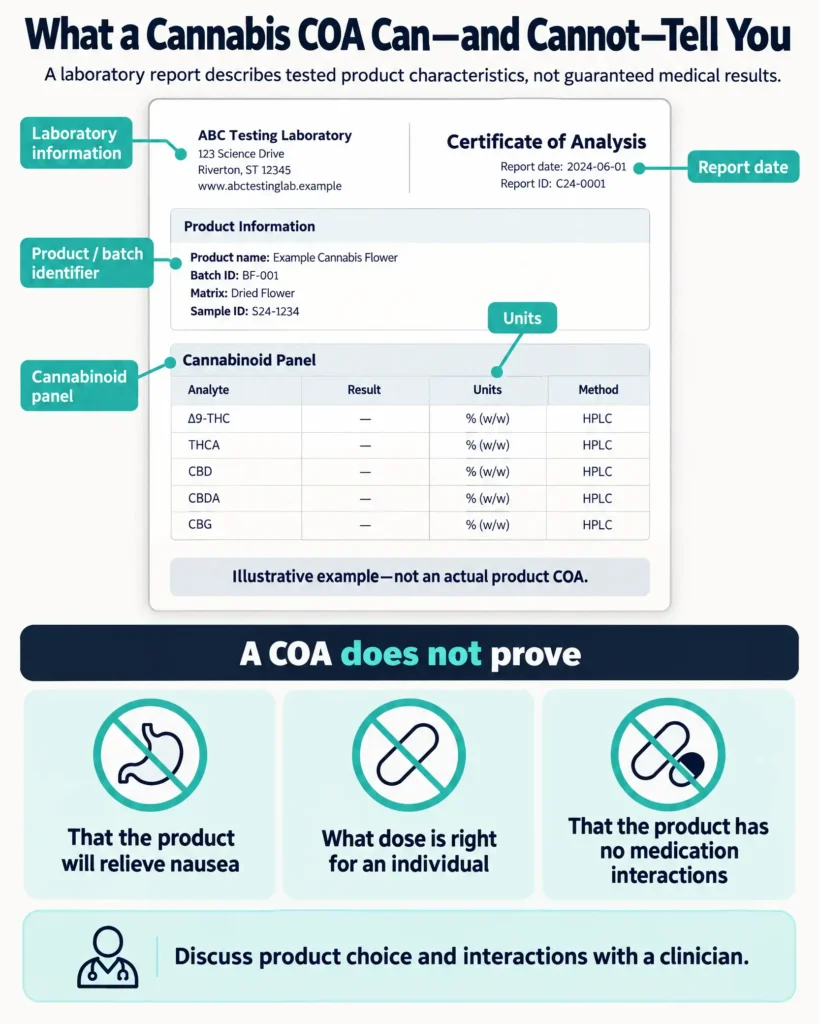
CBDA is listed on PA dispensary COAs in the cannabinoid panel alongside CBD and CBDA appears before CBD in the chemical conversion pathway. If a product shows CBDA content above 0.5%, that retained acid form may add to the product’s antiemetic effect.
For more on reading the cannabinoid panel on a PA dispensary COA, see our how to read a PA dispensary COA guide.
Proactive vs Reactive Dosing: Timing Matters
Ready to Get Your Official PA MMJ Card?
State-certified doctor consultations online. No risk—100% refund if not approved.
Claim Your MMJ Card Online →This is one of the most practically important differences between cannabis use for nausea and most other cannabis applications.
Most patients take cannabis reactively: they wait until nausea begins and then use cannabis to try to reduce it.
For CINV specifically, proactive dosing produces better outcomes.
Why proactive dosing works better
Nausea is easier to prevent than to stop once it has fully activated the DVC response. Taking cannabis 30 to 60 minutes before a chemotherapy session, when the DVC has not yet been triggered, engages CB1 receptors in a preventive capacity.
Waiting until nausea is already present means cannabis must overcome an activated DVC response rather than preventing activation.
The proactive protocol for PA cancer patients
Sublingual tincture or troche taken 30 to 60 minutes before chemotherapy. A 2.5 to 5mg THC dose with CBD alongside (3:1 or 5:1 ratio product) reduces psychoactivity risk while maintaining the DVC antiemetic mechanism.
A second dose 4 to 6 hours after chemotherapy addresses the emerging delayed CINV phase before it fully develops.
For Crohn’s-related nausea
Crohn’s nausea follows flare cycles rather than predictable scheduled events. Proactive dosing here means taking a consistent daily CBD-dominant or ratio tincture dose at the same time each day to maintain stable blood levels rather than responding only to acute episodes.
Product Format Guidance for PA Nausea Patients
The right product format depends on whether nausea is already present or being prevented.
Product format by nausea scenario
| Scenario | Recommended Format | Why |
|---|---|---|
| Preventive (before chemo) | Sublingual tincture, 30-60 min before | Predictable onset; easy to time precisely |
| Mild nausea present | Sublingual troche held under tongue | Bypasses stomach; 15-45 min onset |
| Active moderate nausea | Vaporized flower (dry herb vaporizer) | Fastest onset, 2-10 min; no swallowing needed |
| Severe nausea or vomiting | Sublingual tincture or vaporization only | Oral routes unreliable when stomach is compromised |
| Daily Crohn’s maintenance | CBD-dominant tincture, consistent daily dose | Stable blood levels better than reactive dosing |
When nausea is not yet present (preventive)
Sublingual tinctures are the most flexible preventive format. Held under the tongue for 60 seconds, they absorb in 15 to 45 minutes. Predictable onset allows precise timing before chemotherapy or before anticipated Crohn’s flare symptoms.
For more on PA dispensary tincture options, see our CBD tinctures guide.
When mild to moderate nausea is already present
Sublingual tincture can still work at this stage if held sublingually rather than swallowed. Swallowing during active nausea is less reliable because gastric motility changes affect oral absorption.
Vaporized products provide the fastest onset (2 to 10 minutes) when nausea is already present. Pennsylvania law requires vaporization rather than smoking. A dry herb vaporizer at lower temperatures (below 370°F) preserves CBDA and other potentially antiemetic compounds better than higher temperatures that fully decarboxylate the flower.
When nausea is severe or has produced vomiting
Oral routes become unreliable when vomiting has already occurred. Sublingual absorption bypasses the gastrointestinal system and continues to work even when the stomach is compromised. Vaporization is the most reliable route in this scenario.
What to avoid during active nausea
Troches that require chewing and swallowing, capsules, and any product that must pass through the stomach. These enter a system already in distress and may be expelled before meaningful absorption occurs.
For the specific strains most effective for nausea at PA dispensaries, with terpene profile guidance, see our best strain for nausea guide.
The CHS Warning: When Cannabis Causes Nausea
This section contains the most important warning in this entire guide for any patient planning to use cannabis for nausea long-term.
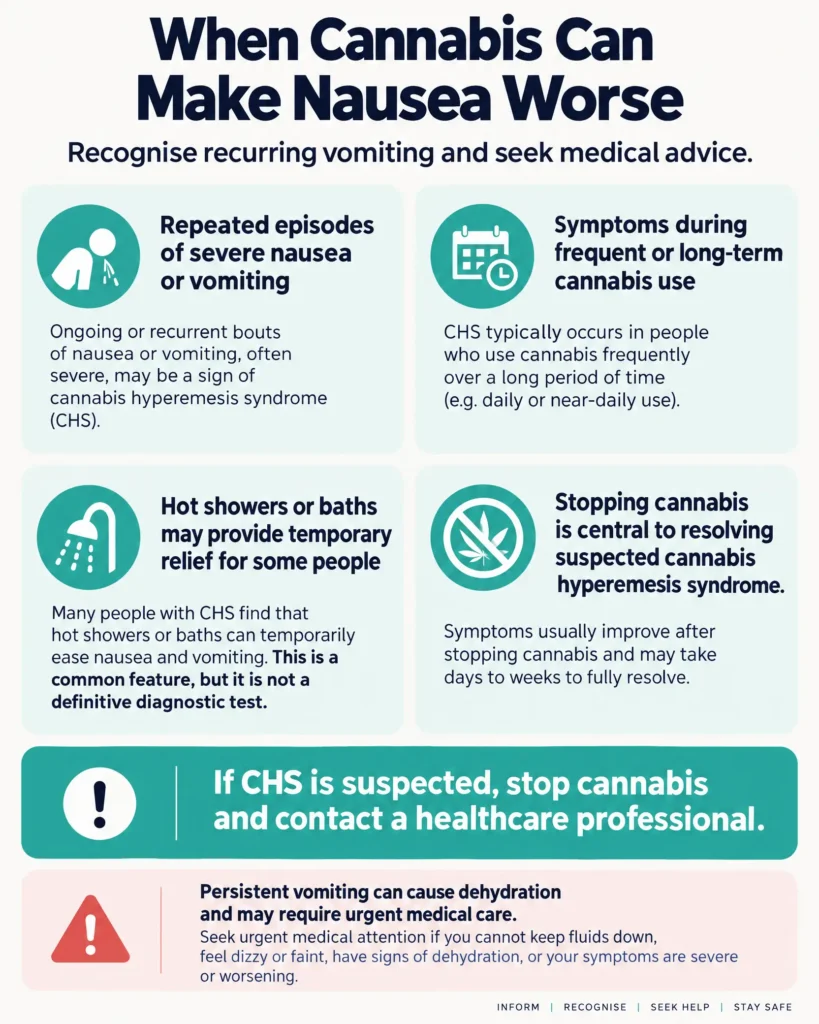
Cannabis hyperemesis syndrome (CHS) is a condition in which chronic, heavy cannabis use causes severe cyclical nausea and vomiting rather than preventing it.
CHS is the opposite of what most patients expect from cannabis. It is characterized by recurring episodes of intense nausea and vomiting that temporarily improve with hot showers or baths, and that resolve completely only with cannabis cessation.
It is relatively uncommon but affects a meaningful minority of long-term heavy daily cannabis users.
Why CHS matters specifically for nausea patients
Patients using cannabis specifically for nausea relief are at risk of a treatment paradox. If CHS develops, the same cannabis that initially helped with nausea becomes the cause of severe nausea. The hot shower relief is the distinguishing clinical sign that separates CHS from other conditions.
Key CHS warning signs to watch for
Recurring episodes of nausea and vomiting that feel different from your qualifying condition symptoms. Temporary relief from hot showers or baths. Episodes that recur on a cyclical pattern, weeks apart. Increasing severity of episodes over time. Nausea improving significantly after stopping cannabis use.
If any of these apply, cannabis use should be stopped and a physician consulted. CHS resolves fully with cannabis cessation.
For a complete guide to CHS, including how to distinguish it from standard THC overconsumption and regular Crohn’s flare symptoms.
Frequently Asked Questions
Q: Does marijuana help with nausea?
A: Yes, with strong clinical evidence particularly for chemotherapy-induced nausea.
Cannabis activates CB1 and CB2 receptors in the dorsal vagal complex (DVC) of the brainstem, directly suppressing the vomiting reflex center. The FDA approved synthetic THC medications for chemotherapy nausea in 1985 and 1992.
For Crohn’s disease-related nausea, observational studies consistently show patient-reported improvement in nausea, appetite, and quality of life, though RCTs have not shown improvement in underlying inflammatory markers.
Q: Is nausea a qualifying condition for PA medical marijuana?
A: Not as a standalone diagnosis. However, nausea qualifies through cancer and Crohn’s disease, both explicitly listed among Pennsylvania’s 24 qualifying conditions under Act 16 of 2016.
If you have cancer with chemotherapy-induced nausea, or Crohn’s disease with chronic nausea as a core symptom, you have a direct qualifying pathway.
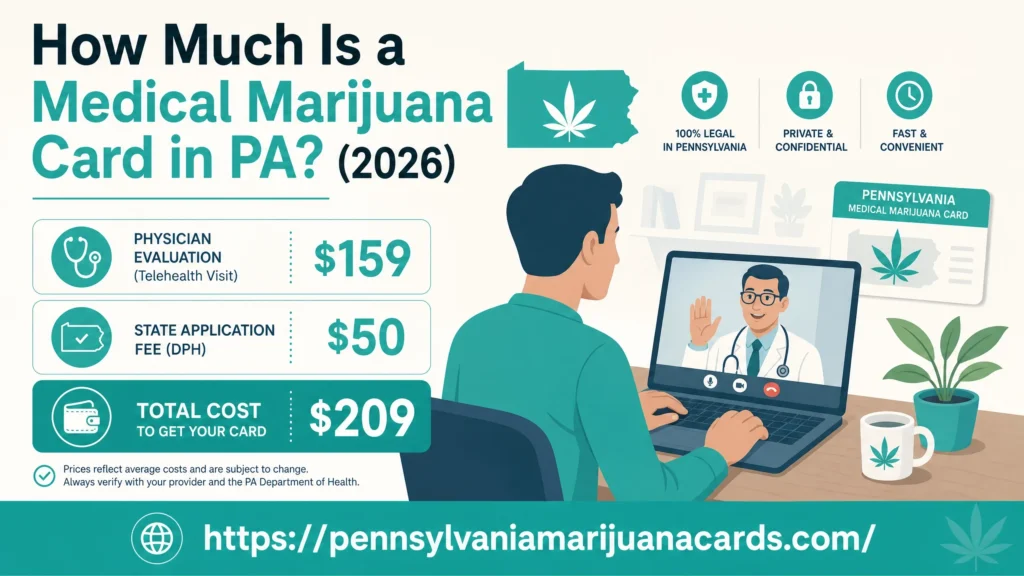
A telehealth certification at Pennsylvania Marijuana Cards costs $159 for new patients, plus the $50 state fee. MMAP qualifying patients (Medicaid, SNAP, WIC, CHIP, PACE, PACENET) have the $50 state fee waived.
Q: What is the best cannabis product for nausea?
A: For preventive dosing before chemotherapy: a sublingual tincture with 2.5 to 5mg THC and meaningful CBD content (3:1 or 5:1 CBD:THC ratio) taken 30 to 60 minutes before treatment. For active nausea already present: vaporized flower provides fastest onset (2 to 10 minutes) when swallowing is compromised. For daily Crohn’s-related nausea management: a consistent daily CBD-dominant or ratio tincture produces more stable symptom control than as-needed dosing. For specific strain guidance matched to your terpene preferences.
Q: How quickly does cannabis work for nausea?
A: Onset depends on the delivery method: vaporized cannabis 2 to 10 minutes; sublingual tincture or troche held under tongue 15 to 45 minutes; swallowed capsule or chewed troche 45 minutes to 2 hours.
For active, severe nausea, vaporized or sublingual routes are preferred because swallowing during active nausea is unreliable.
For preventive dosing before chemotherapy, a sublingual tincture taken 30 to 60 minutes prior provides reliable preventive coverage.
Q: Can cannabis make nausea worse?
A: Yes, in specific circumstances.
Cannabis hyperemesis syndrome (CHS) is a condition caused by chronic heavy cannabis use where recurring episodes of severe nausea and vomiting develop. Hot shower or bath relief is the hallmark distinguishing sign. CHS resolves fully with cannabis cessation.
Additionally, high-dose THC without CBD can produce nausea as a side effect of overconsumption. For anyone using cannabis for nausea relief who develops new cyclical severe nausea episodes, CHS must be considered and cannabis discontinued while a physician is consulted.
Q: Should I tell my oncologist or gastroenterologist I am using medical marijuana for nausea?
A: Yes. Cannabis interacts with several medications commonly used in oncology and GI care.
CBD at therapeutic doses inhibits CYP450 liver enzymes that metabolize many chemotherapy agents, immunosuppressants, and biologics. These interactions may affect drug levels in ways that influence treatment outcomes.

Your oncologist or gastroenterologist cannot manage these interactions without knowing about your cannabis use. Disclosure is important for your safety, and PA’s medical marijuana program provides legal protection as a registered patient.
The Bottom Line
Marijuana helps nausea through a direct biological mechanism: CB1 and CB2 receptor activation in the dorsal vagal complex, the brainstem’s vomiting control center. This is not a poorly understood folk remedy. It is a mechanism identified in clinical research, supported by FDA-approved medications, and documented across decades of oncology and gastroenterology studies.
For Pennsylvania patients with cancer or Crohn’s disease, nausea relief through cannabis has both a qualifying pathway and a meaningful evidence base. Proactive dosing, sublingual or vaporized formats, and ratio products that combine THC and CBD provide the best available approach for most patients.
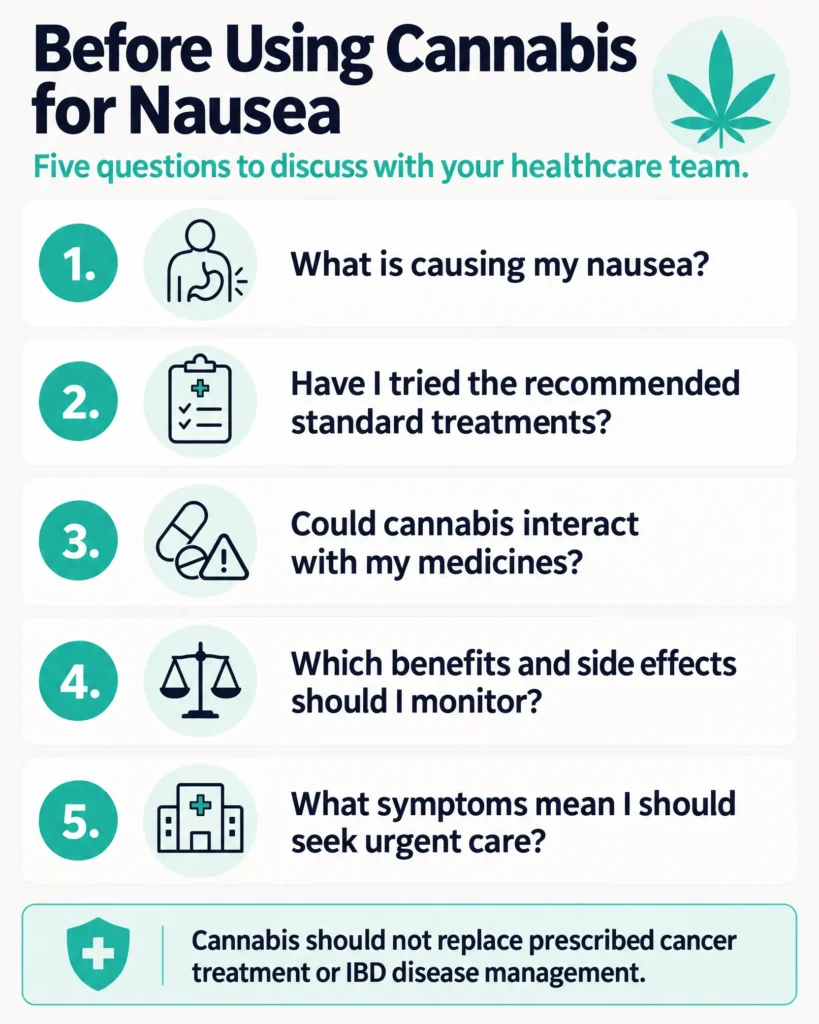
The CHS warning exists alongside this positive evidence. Cannabis used chronically and heavily can reverse its own antiemetic effect. Awareness of CHS and its signs protects patients using cannabis therapeutically for the long term.
If you are not yet a registered PA patient, check your qualifying condition here or get certified at Pennsylvania Marijuana Cards.
This blog post is intended for general educational and informational purposes only and does not constitute medical advice. Cannabis should be used alongside, not instead of, evidence-based cancer treatment or IBD disease management. Cannabis interacts with several chemotherapy agents, immunosuppressants, and biologics through CYP450 enzyme pathways. Always disclose cannabis use to your oncologist or gastroenterologist. If you develop new cyclical nausea episodes with hot shower relief during cannabis use, stop use immediately and consult a physician for CHS evaluation. Medically reviewed by Dr. Johnathon Chance Miller, MD.
Sources
- Hawaii Department of Health Medical Cannabis Newsletter: The Science of Cannabis for Nausea (August 2025)
- PMC: Cannabinoid-Based Medicine for CINV, Rapid Dose Titration Study
- Pharmaceuticals 2010: Mechanisms of Broad-Spectrum Antiemetic Efficacy of Cannabinoids Against CINV
- New York OCM: First OCM-Led Clinical Study on CBD/THC for IBD, Launch Announcement (May 2026)
- Cannabis Clinicians: Cannabis Use in Crohn’s Disease, Systematic Review and Meta-Analysis of RCTs (January 2025)
- BadGut.org: Medical Cannabis and IBD, Evidence Review
- Utah Medical Cannabis Evidence Guidelines: Crohn’s Disease and Ulcerative Colitis
- Project CBD: Gut Feeling, Cannabis and IBD
- WebMD: Crohn’s Disease, Marijuana, and CBD
- PA Department of Health: Qualifying Conditions