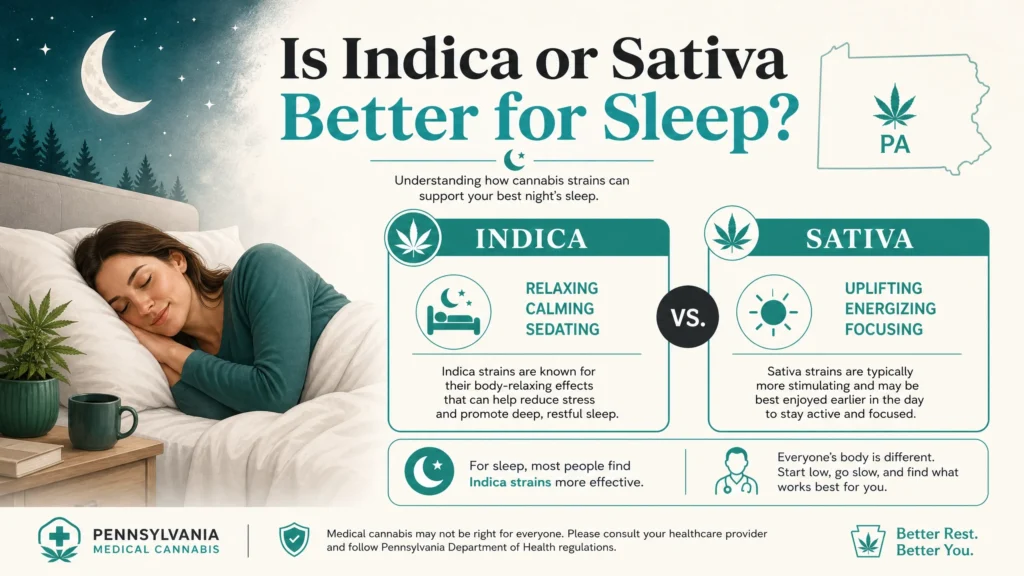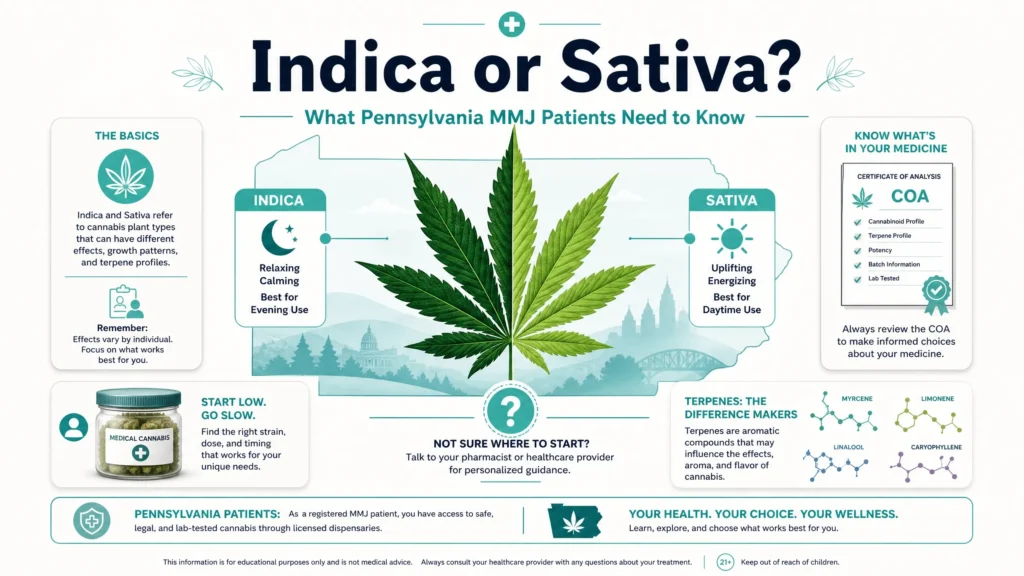
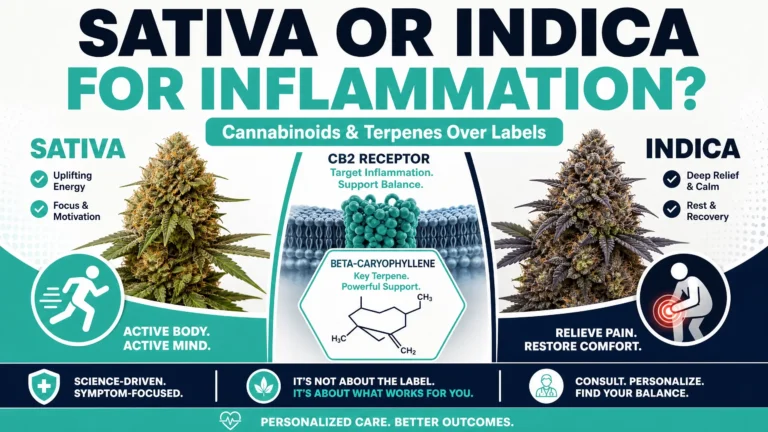

Patients searching “sativa or indica for inflammation” are starting with the wrong framework.
The indica/sativa distinction is a botanical marketing label, not a pharmacological classification and it predicts nothing about a product’s anti-inflammatory potential.
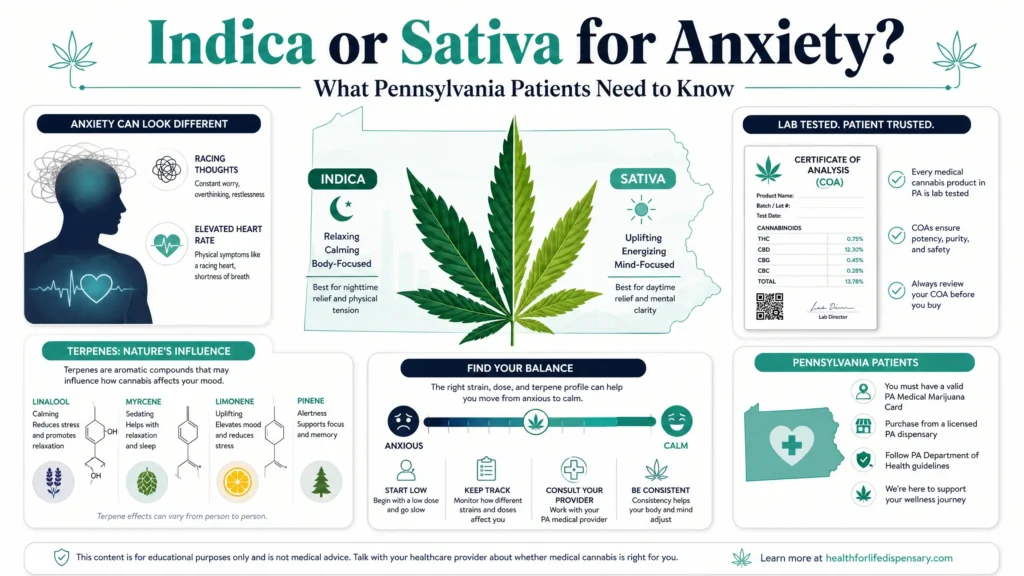
What does predict anti-inflammatory effect is CB2 receptor activity, CBD concentration, and the terpene profile printed on every Pennsylvania dispensary product’s Certificate of Analysis.
That data is available to every PA patient right now and it is far more useful than any label.
⚡ Quick Answer
Neither sativa nor indica reliably predicts anti-inflammatory effect: beta-caryophyllene, CBD content, and CB2 receptor activity documented on a product’s COA are the clinically relevant factors.
For Pennsylvania residents: Recreational cannabis remains illegal as of July 2026, a valid MMJ card under Act 16 of 2016 is required to access any of PA’s 186+ licensed dispensaries.
Key Takeaways
- Beta-caryophyllene is the only terpene that functions as a cannabinoid: It directly activates CB2 receptors without producing psychoactive effect, making it uniquely relevant for inflammation patients who want therapeutic benefit without cognitive impairment
- Systemic and localized inflammation require different product strategies: IBD-related gut inflammation responds differently to cannabinoid delivery than peripheral neuropathic inflammation or joint inflammation; choosing the wrong format reduces efficacy significantly
- Pennsylvania’s July 2026 dispensary landscape offers more high-CBD, terpene-rich formulations than ever before: The 2025 DOH labeling update has pushed PA dispensaries toward COA transparency that most other states still lack
- Five separate PA qualifying conditions share inflammation as a core disease mechanism: Patients who qualify under one condition often have secondary inflammatory diagnoses that strengthen their certification case
- PA inflammation patients face the same per se DUI exposure as all MMJ cardholders: THC metabolites remain detectable in blood long after therapeutic anti-inflammatory effects resolve, and Pennsylvania’s DUI statute carries no medical exemption
Why the Sativa/Indica Question Cannot Answer the Inflammation Question
The terms indica and sativa originated in 18th-century botanical taxonomy, descriptions of plant geography, leaf shape, and growth pattern developed long before anyone understood the endocannabinoid system or cannabinoid receptor pharmacology.
Decades of commercial crossbreeding have since eliminated any meaningful genetic distinction between the categories.
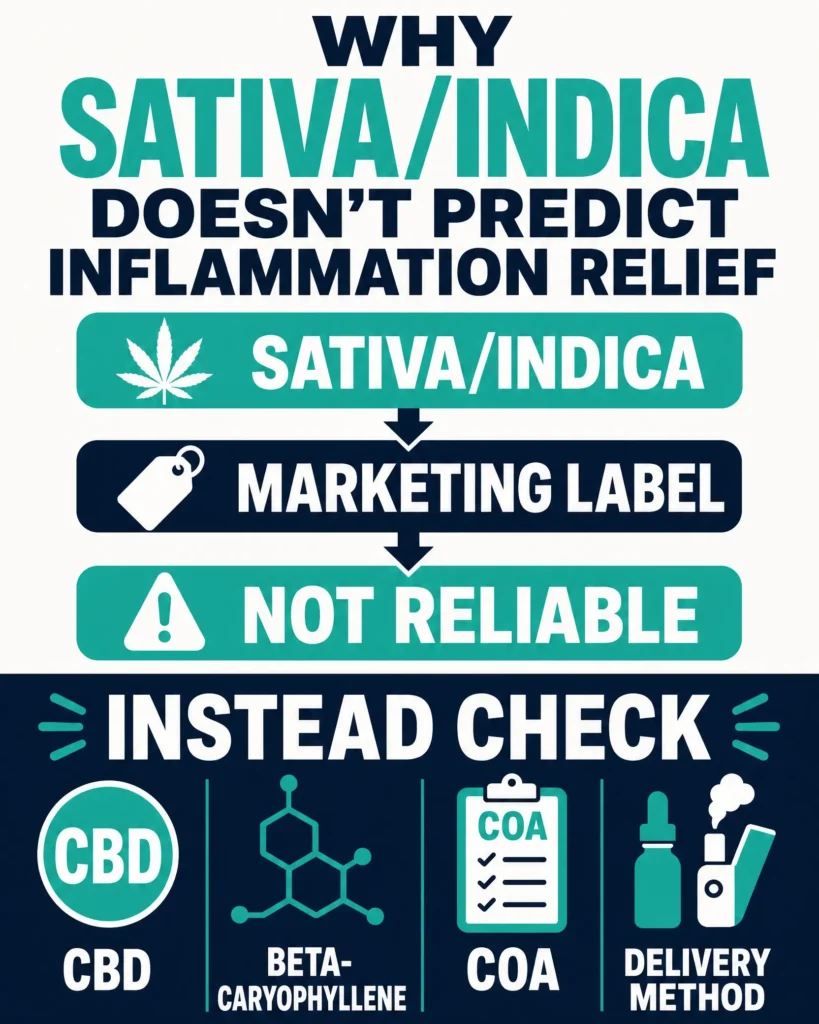
A product’s anti-inflammatory potential is determined entirely by its cannabinoid concentrations, terpene profile, and delivery format, none of which are captured by whether a cultivar is labeled indica or sativa.
Two sativa-labeled products at a Pennsylvania dispensary can have completely different beta-caryophyllene concentrations and produce completely different anti-inflammatory outcomes in the same patient.
As Ethan Russo’s foundational 2011 research in the British Journal of Pharmacology established, therapeutic cannabis effects emerge from the interaction of cannabinoids, terpenes, and flavonoids acting on multiple receptor systems simultaneously, the entourage effect.
The indica/sativa label captures none of this chemical complexity.
What Pennsylvania’s 2025 Labeling Update Changed
Pennsylvania’s Department of Health updated dispensary product labeling requirements in 2025 to mandate full terpene profiles on every product’s batch-specific Certificate of Analysis.
As of July 2026, every product sold at PA’s 186+ licensed dispensaries must disclose its complete terpene panel, not just THC and CBD percentages.
This makes Pennsylvania one of the most transparently regulated medical cannabis markets in the country for patients trying to make evidence-informed anti-inflammatory product decisions.
📋 PA Dispensary Rule: Always request the batch-specific COA, not the general product description or menu listing. Terpene concentrations vary batch to batch within the same product line. The batch COA is the document that contains the data you need.
The CB2 Receptor — Where Cannabis Meets Inflammation
To understand why the indica/sativa question misses the point for inflammation, it helps to understand where anti-inflammatory cannabinoid activity actually occurs.
The human endocannabinoid system contains two primary receptor types.
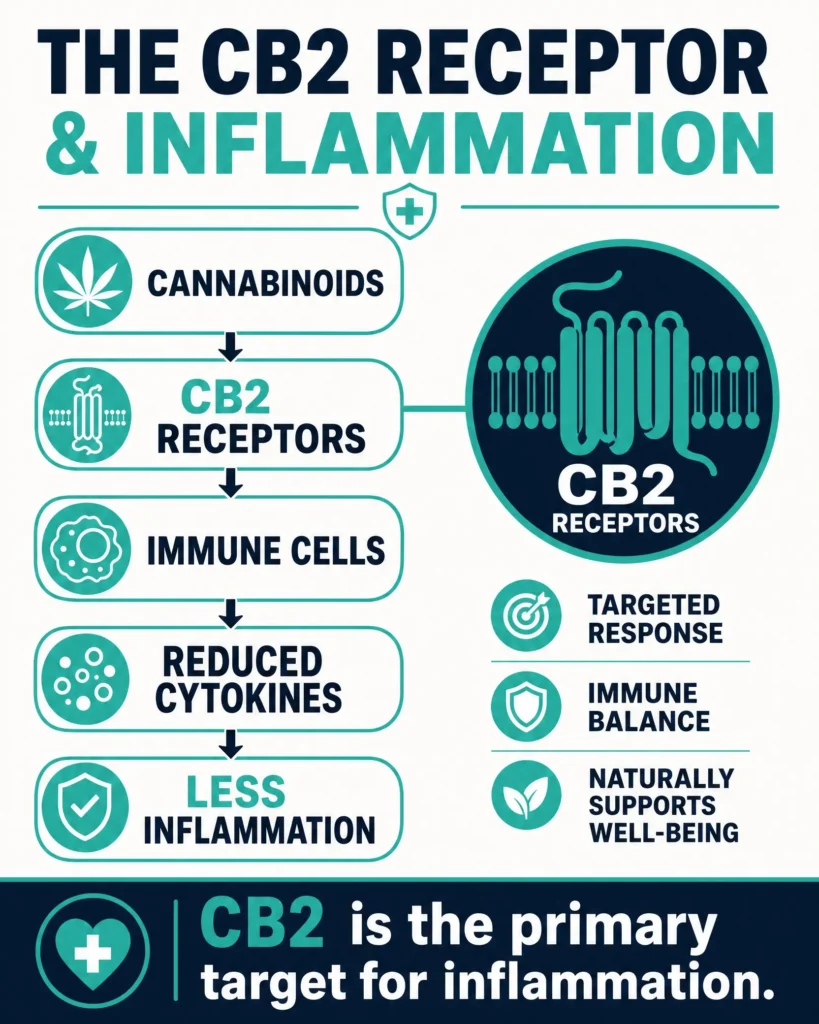
CB1 receptors are concentrated in the central nervous system and drive the psychoactive, analgesic, and antiemetic effects most associated with THC.
CB2 receptors are expressed predominantly in immune cells, peripheral tissues, and the gastrointestinal tract and they are the primary cannabinoid target for modulating inflammatory response.
CB2 receptor activation suppresses pro-inflammatory cytokine production, reduces immune cell migration to sites of inflammation, and modulates the inflammatory cascade without the psychoactive CB1 activation that high-THC products produce.
This makes CB2 activity the central pharmacological target for patients seeking anti-inflammatory cannabis therapy and the indica/sativa label tells you nothing about a product’s CB2 activity profile.
What tells you about CB2 activity is the beta-caryophyllene concentration on the COA, because beta-caryophyllene is the only cannabis terpene that directly activates CB2 receptors.
Beta-Caryophyllene — The Anti-Inflammatory Terpene With Cannabinoid Properties
Beta-caryophyllene (BCP) occupies a unique position in cannabis pharmacology.
Unlike other terpenes that produce effects through indirect mechanisms or receptor modulation, BCP directly binds to and activates CB2 receptors, qualifying it as a dietary cannabinoid in peer-reviewed classification.
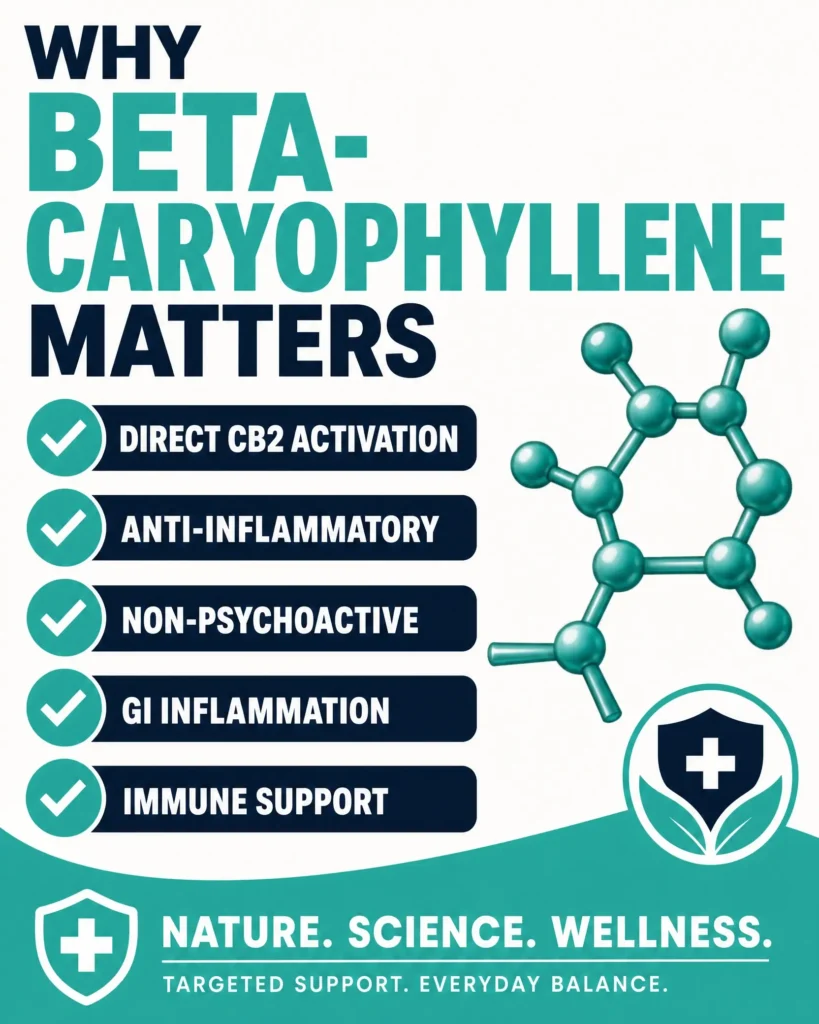
This was established by Gertsch et al. in a landmark 2008 PNAS study and has since been replicated across multiple research groups.
The clinical implication for inflammation patients is significant. A product rich in beta-caryophyllene delivers CB2-mediated anti-inflammatory activity through a mechanism that does not require high THC content and does not produce CB1 psychoactive effects.
For patients managing chronic inflammatory conditions who need to remain cognitively functional, working, caregiving, driving within legal parameters, high-BCP products represent a genuinely differentiated therapeutic option.
As of July 2026, preclinical and early clinical research on BCP supports its activity across multiple inflammatory pathways including NF-κB inhibition, NLRP3 inflammasome suppression, and cytokine modulation. The evidence base has expanded substantially since 2022 and continues to grow.
🔬 Research Note: Beta-caryophyllene research accelerated significantly between 2023 and 2026 as interest in non-psychoactive cannabinoid mechanisms grew. PA dispensary pharmacists familiar with the current literature will increasingly recommend BCP-dominant products for inflammatory conditions, ask specifically about COA BCP percentage when consulting.
CBD, THC, and the Two Anti-Inflammatory Pathways
Cannabis addresses inflammation through two distinct pharmacological pathways and understanding which pathway is most relevant to your condition determines which cannabinoid profile belongs on your COA.
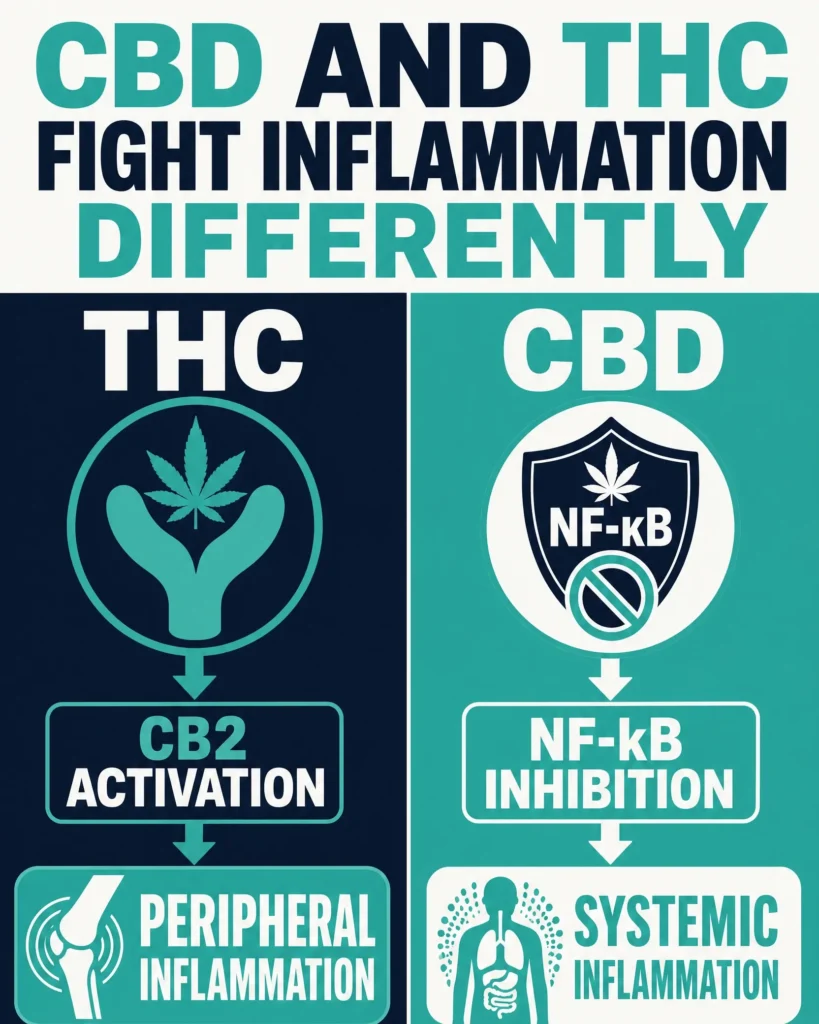
Pathway 1 — CB2 Receptor Activation (THC and BCP)
Both THC and beta-caryophyllene activate CB2 receptors to produce anti-inflammatory effects.
THC’s CB2 activity is accompanied by its well-documented CB1 psychoactive effects, which may or may not be appropriate depending on the patient’s condition, daily function requirements, and sensitivity profile.
BCP delivers CB2 activation without CB1 psychoactivity. For patients who need anti-inflammatory effect without cognitive impairment, high-BCP products, regardless of THC content, target this pathway more selectively.
Pathway 2 — NF-κB Inhibition (CBD)
CBD operates through a fundamentally different anti-inflammatory mechanism. CBD inhibits the NF-κB signaling pathway, a master regulator of inflammatory gene expression involved in conditions ranging from IBD to neuroinflammation to autoimmune disease.
NF-κB inhibition reduces the transcription of pro-inflammatory cytokines including TNF-α, IL-6, and IL-1β, the same targets addressed by many pharmaceutical anti-inflammatory drugs.
CBD’s NF-κB mechanism operates independently of CB2 activation, meaning a product rich in both CBD and beta-caryophyllene addresses inflammation through two separate pathways simultaneously.
This dual-pathway approach is increasingly what PA dispensary pharmacists recommend for patients with systemic inflammatory conditions as of July 2026.
| Cannabinoid / Terpene | Primary Anti-Inflammatory Mechanism | Psychoactive? | Best Inflammation Type |
|---|---|---|---|
| THC | CB2 receptor activation | Yes — CB1 | Peripheral, nociceptive inflammation |
| CBD | NF-κB pathway inhibition | No | Systemic, autoimmune, neuroinflammation |
| Beta-caryophyllene | CB2 receptor direct agonism | No | Peripheral, GI, immune-mediated |
| Alpha-pinene | COX inhibition (preliminary) | No | Joint, systemic inflammation |
| Myrcene | Indirect cannabinoid synergy | Mild sedation | Inflammation with pain and sleep disruption |
Terpene Profile Comparison for Inflammation
Pennsylvania’s mandatory terpene COA labeling means every dispensary patient has access to the following data, use it.
| Terpene | Receptor / Pathway | Inflammation Relevance | Evidence Level | COA Target % |
|---|---|---|---|---|
| Beta-caryophyllene | CB2 direct agonist | Peripheral, GI, immune-mediated inflammation | Strong — peer-reviewed mechanism | >0.5% |
| Alpha-pinene | COX pathway inhibition | Joint, systemic inflammation | Moderate — preclinical | >0.2% |
| Myrcene | Cannabinoid synergy | Inflammation with comorbid pain and sleep disruption | Moderate — preclinical | Varies |
| Linalool | GABA-A, serotonin | Neuroinflammation with anxiety component | Moderate — preclinical | >0.2% |
| Limonene | Serotonin, antioxidant | GI inflammation, oxidative stress component | Moderate — preclinical | >0.3% |
Alpha-Pinene — The Overlooked Anti-Inflammatory Terpene
Alpha-pinene deserves specific attention for inflammation patients. Preclinical research published through 2024 suggests alpha-pinene inhibits cyclooxygenase (COX) enzymes, the same enzymatic pathway targeted by ibuprofen and naproxen.
While the clinical evidence in humans remains preliminary as of July 2026, the mechanistic parallel to well-established anti-inflammatory drugs makes alpha-pinene a COA data point worth noting, particularly for patients managing joint or systemic inflammation.
Alpha-pinene also counteracts short-term memory impairment from THC through acetylcholinesterase inhibition, making high-pinene products a practical option for inflammation patients who need daytime cognitive function while using moderate-THC formulations.
Systemic vs. Localized Inflammation — Different Conditions, Different Strategies
Inflammation is not a single condition.
The optimal cannabis strategy differs significantly depending on whether your inflammation is systemic, gastrointestinal, peripheral, or neurological and this distinction matters far more than the indica/sativa label.
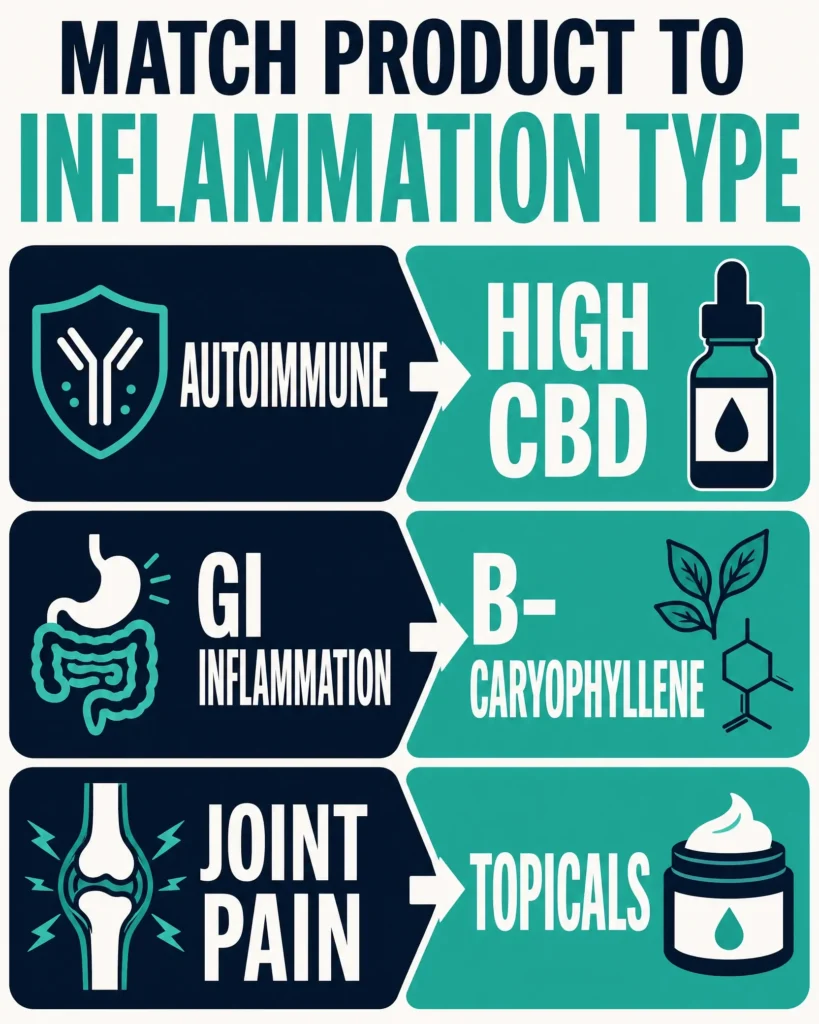
Systemic Inflammatory Conditions (MS, Autoimmune)
Systemic inflammation, as in multiple sclerosis or autoimmune conditions, involves widespread immune dysregulation affecting multiple tissue types. CBD’s NF-κB inhibition and its broad immunomodulatory profile make higher-CBD formulations the preferred starting point for systemic inflammatory conditions.
A balanced THC:CBD ratio (1:1 or higher CBD) with meaningful beta-caryophyllene content addresses both CB2 and NF-κB pathways simultaneously.
Multiple Sclerosis qualifies under Pennsylvania Act 16 and is associated with both neuroinflammation and peripheral spasticity, two distinct inflammatory mechanisms that may benefit from different product strategies at different times of day.
Gastrointestinal Inflammation (IBD, Crohn’s)
GI inflammation, as in IBD and Crohn’s Disease, involves localized immune activation in the intestinal mucosa.
CB2 receptors are densely expressed in GI immune cells, making beta-caryophyllene and moderate-THC formulations particularly relevant here. Oral delivery formats (capsules, tinctures) ensure the cannabinoids reach GI tissue directly rather than being metabolized before reaching inflamed mucosa.
IBD and Crohn’s Disease are both named qualifying conditions under PA Act 16. Patients with either diagnosis have a direct certification pathway.
Peripheral Neuropathic Inflammation (Neuropathies)
Peripheral neuropathy involves inflammatory and degenerative changes to nerve tissue, producing burning, shooting, or aching pain signals that often have a significant inflammatory component.
A balanced THC:CBD ratio with high beta-caryophyllene addresses both the CB2-mediated inflammatory component and the CB1-mediated pain signal simultaneously.
Alpha-pinene’s COX-inhibitory activity provides additional anti-inflammatory support.
Neuropathies qualify under Pennsylvania Act 16 as a standalone condition.
As of July 2026, neuropathy patients represent a growing segment of PA MMJ certifications given the condition’s prevalence in diabetic, post-chemotherapy, and post-viral patient populations.
Localized Joint and Muscle Inflammation
For patients whose inflammation is localized, a specific joint, muscle group, or injury site, topical cannabis products provide targeted CB2 activation at the site of inflammation without systemic cannabinoid absorption.
This means no psychoactive effect, no DUI exposure concern, and no drug-drug interaction risk from systemic cannabinoid load.
Pennsylvania dispensaries as of July 2026 carry an expanding range of topical formulations including creams, balms, and transdermal patches specifically formulated for localized anti-inflammatory use.
These are underutilized by PA patients who default to inhaled or oral products without consulting a dispensary pharmacist about topical options.
PA Qualifying Conditions Tied to Inflammation
Five named PA qualifying conditions share inflammation as a core disease mechanism. Patients with these diagnoses have a direct path to MMJ certification under Act 16 of 2016.
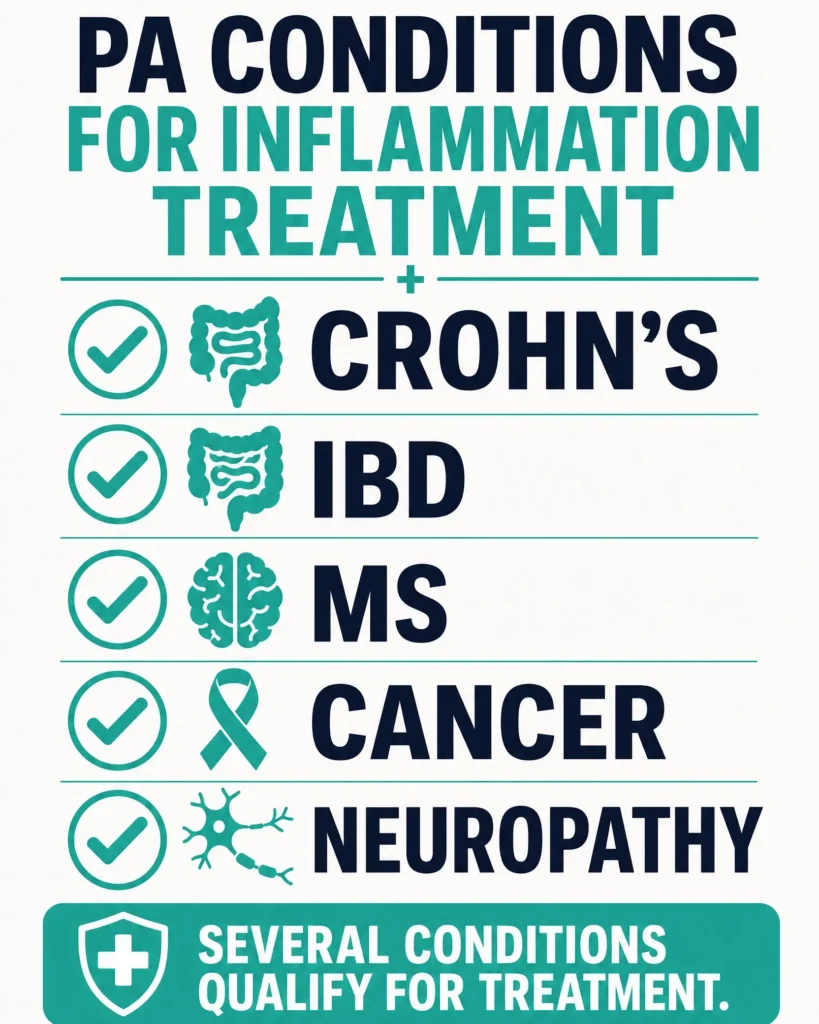
| Qualifying Condition | Inflammatory Mechanism | Internal Link |
|---|---|---|
| Neuropathies | Neuroinflammation, peripheral nerve inflammation | Neuropathies — PA MMJ |
| Inflammatory Bowel Disease | Intestinal mucosal immune activation | IBD — PA MMJ |
| Crohn’s Disease | Transmural GI inflammation | Crohn’s — PA MMJ |
| Multiple Sclerosis | Neuroinflammation, demyelination | MS — PA MMJ |
| Cancer | Tumor-associated inflammation, treatment-related inflammation | Cancer — PA MMJ |
Patients uncertain about which qualifying condition applies to their diagnosis should review Pennsylvania’s full qualifying conditions list before scheduling a certification appointment.
Product Formats for Inflammation — What Works Where
Delivery format determines how cannabinoids reach inflamed tissue and for inflammation patients, this is as important as the cannabinoid profile itself.
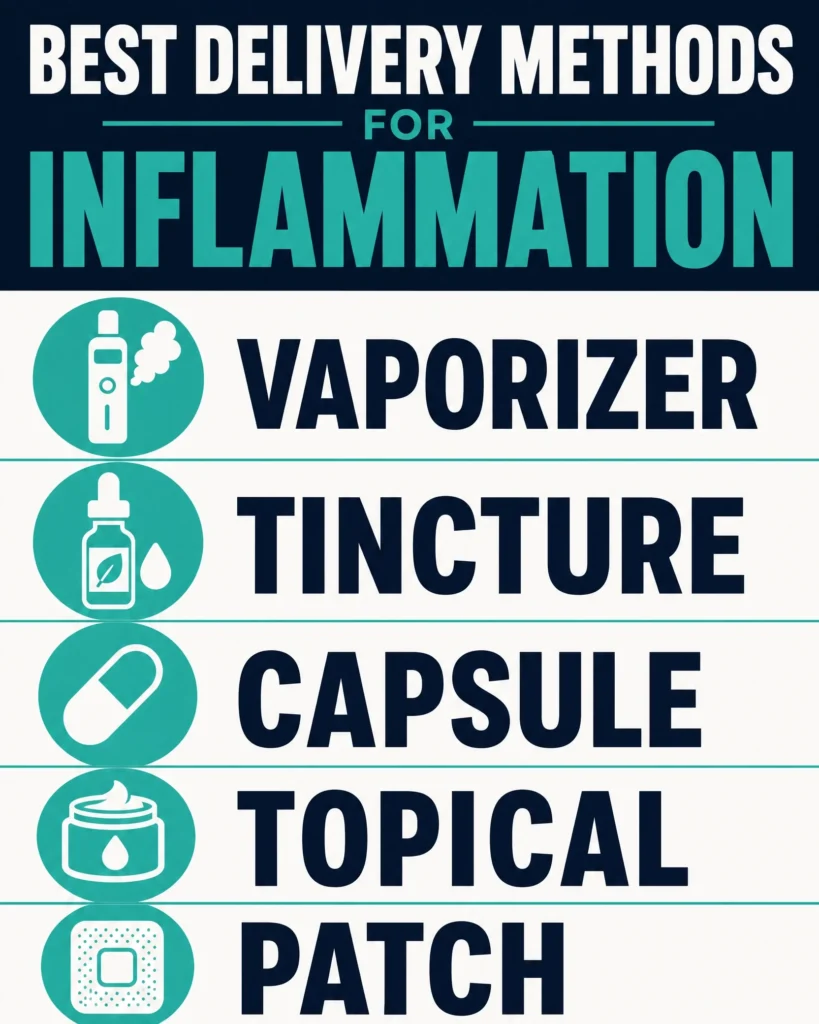
| Format | Onset | Duration | Best Inflammation Use | PA Legal? |
|---|---|---|---|---|
| Vaporization | 5–15 min | 2–3 hrs | Acute flare breakthrough relief | ✅ Yes |
| Sublingual tincture | 15–45 min | 3–5 hrs | Daytime systemic inflammation management | ✅ Yes |
| Capsule / tablet | 45–90 min | 5–8 hrs | Consistent GI and systemic inflammation baseline | ✅ Yes |
| Edible | 60–120 min | 6–10 hrs | Overnight inflammation and sleep disruption | ✅ Yes |
| Topical | 15–30 min (local) | 2–4 hrs | Localized joint, muscle, peripheral inflammation | ✅ Yes |
| Transdermal patch | 60–120 min | 8–12 hrs | Sustained peripheral inflammation; some systemic absorption | ✅ Yes |
💡 Pro Tip: As of July 2026, several PA dispensaries have expanded their topical and transdermal product lines significantly. Patients managing localized joint or peripheral inflammation who have not explored topicals are missing a legally compliant, non-psychoactive option that targets CB2 receptors directly at the site of inflammation. Ask your dispensary pharmacist specifically about high-BCP topical formulations.
Pennsylvania Legal Notes Every Patient Must Read
A Valid PA MMJ Card Is Required
Cannabis remains illegal for recreational use in Pennsylvania as of July 2026.
Governor Shapiro has publicly supported legalization and SB 120 is pending a Senate vote, but as of this writing, recreational cannabis is not legal.
Accessing cannabis products for inflammation management without a valid card under Act 16 of 2016 is a criminal offense regardless of medical need.
Smoking Is Prohibited Under Pennsylvania Law
Act 16 explicitly prohibits smoking cannabis in Pennsylvania, even for patients with a valid MMJ card managing serious inflammatory conditions. Legal consumption methods include vaporization, oral tinctures, capsules, edibles, and topical application.
For inflammation patients, topicals and oral formats are often the most clinically appropriate options regardless of the smoking prohibition.
⚠️ Per Se DUI Law — What Inflammation Patients Must Understand
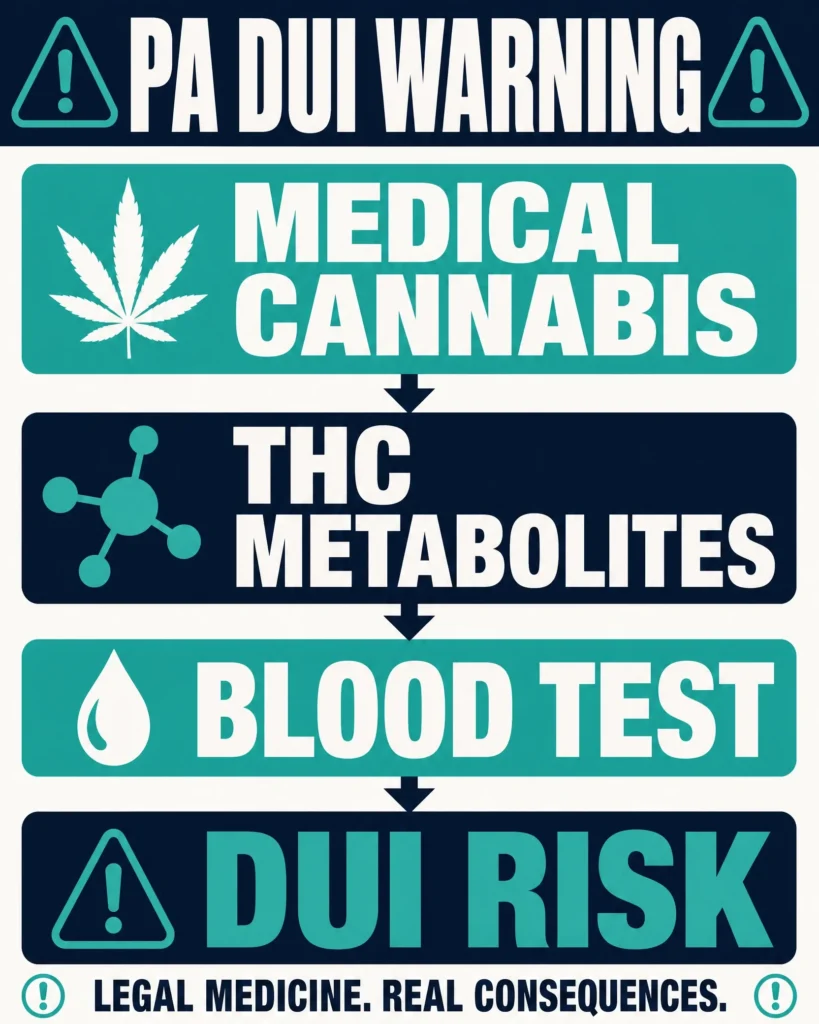
Pennsylvania operates under a per se DUI standard under 75 Pa.C.S. § 3802(d), any detectable THC metabolite in blood constitutes a DUI, regardless of impairment level or MMJ card status. Commonwealth v. Stone (2022) confirmed that a valid PA MMJ card provides zero DUI defense.
Patients with chronic inflammatory conditions who use cannabis regularly, including oral formats with extended metabolite windows, should understand that THC metabolites remain detectable in blood well after any therapeutic or psychoactive effect has resolved.
Patients using topical-only formulations with no systemic THC absorption face significantly reduced, though not necessarily zero, DUI exposure depending on product formulation.
DUI reform legislation (SB 63 / HB 983) remains pending as of July 2026 and has not yet become law. Discuss safe dosing and driving windows with your certifying physician.
Getting Certified in Pennsylvania
Telehealth certification is available statewide through pennsylvaniamarijuanacards.com.
| Fee | Amount |
|---|---|
| Physician certification (new patient) | $159 |
| PA state registration fee | $50 |
| Total — new patient | $209 |
| Physician certification (renewal) | $149 |
| PA state registration fee | $50 |
| Total — renewal | $199 |
Patients qualifying for Medicaid, SNAP, WIC, CHIP, PACE, or PACENET may have the $50 PA state fee waived through the MMAP program.
How to Choose the Right Anti-Inflammatory Product: 5 Steps
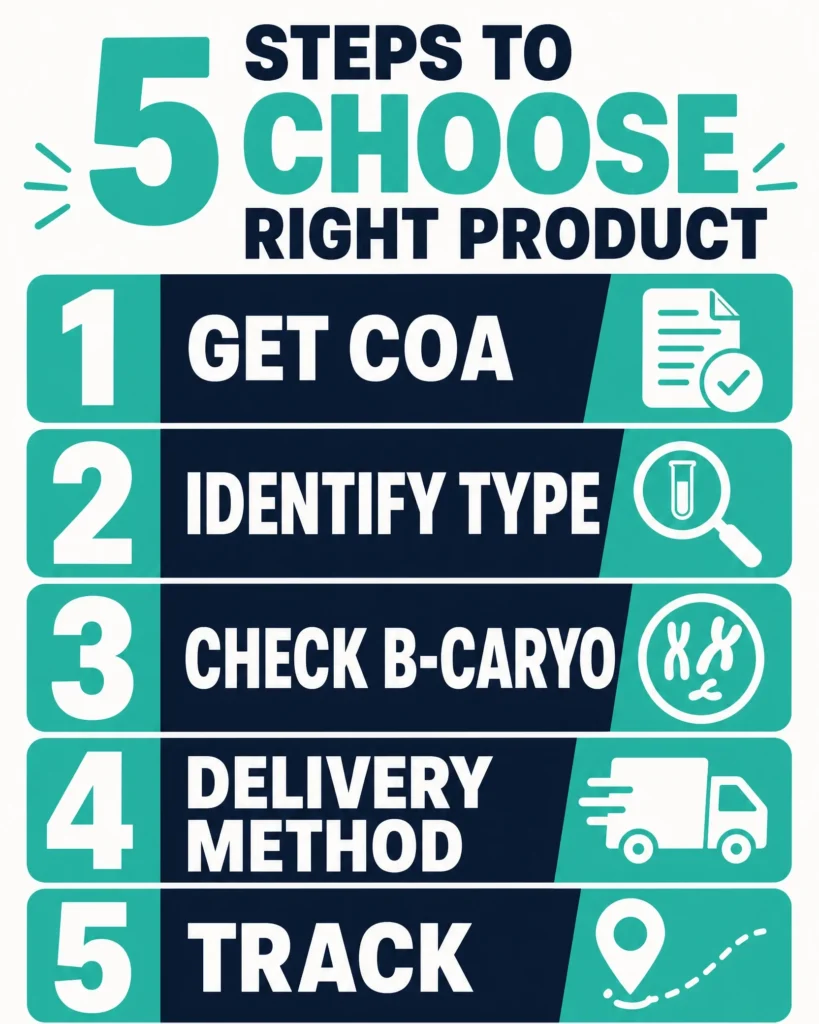
- Pull the batch-specific COA — ignore the indica/sativa label. Ask your dispensary pharmacist for the Certificate of Analysis for the specific batch you are considering. Look at the terpene column for beta-caryophyllene percentage and the cannabinoid panel for CBD:THC ratio. These two data points tell you more about anti-inflammatory potential than any label.
- Identify your inflammation type and match your cannabinoid strategy. Systemic or autoimmune inflammation calls for higher-CBD, dual-pathway formulations. GI inflammation responds well to oral formats with high BCP and moderate THC. Localized joint or peripheral inflammation is a strong candidate for topical or transdermal application. Neuroinflammation benefits from CBD-dominant products with linalool.
- Prioritize beta-caryophyllene on your COA terpene panel. For any inflammatory condition, BCP percentage is the single most important terpene data point. A product with >0.5% BCP and meaningful CBD content addresses inflammation through two independent pharmacological pathways simultaneously, CB2 activation and NF-κB inhibition.
- Select delivery format based on inflammation pattern. Chronic baseline inflammation calls for long-duration oral formats, capsules or edibles, for sustained cannabinoid exposure. Acute flares call for fast-onset vaporization for breakthrough relief. Localized inflammation calls for topicals. Layering formats, a daily capsule plus a topical for flare days, is an increasingly common PA patient strategy as of July 2026.
- Start low and document your response. Begin at the lowest available dose, particularly for oral THC-containing formats where onset delay can lead to unintentional overdose. Keep a simple log of inflammation severity, dose, format, and response over two weeks. This data is far more useful than any online recommendation and gives your dispensary pharmacist and certifying physician actionable information.
💡 Pro Tip: Pennsylvania dispensary pharmacists are licensed healthcare professionals with training in cannabis-drug interactions, increasingly relevant for inflammation patients who are often taking NSAIDs, corticosteroids, biologics, or immunosuppressants. A pharmacist consultation that includes your full medication list is a critical safety step before starting cannabis therapy for inflammatory conditions.
Frequently Asked Questions
Q: Is sativa or indica better for inflammation?
A: Neither sativa nor indica reliably predicts anti-inflammatory effect, because inflammation relief from cannabis is determined by CB2 receptor activation and NF-κB pathway inhibition, neither of which are captured by the indica/sativa label. The most clinically relevant COA data points for inflammation are beta-caryophyllene percentage and CBD concentration. Beta-caryophyllene is the only cannabis terpene that directly activates CB2 receptors, the primary cannabinoid target for immune-mediated inflammation and it appears in products across the indica/sativa spectrum. Pennsylvania’s mandatory terpene COA labeling gives PA patients access to this data at every dispensary visit.
Q: What is the best terpene for inflammation?
A: Beta-caryophyllene is the most strongly evidenced terpene for inflammation, due to its direct CB2 receptor agonism documented in peer-reviewed research since 2008. It is the only terpene classified as a dietary cannabinoid because of this receptor activity. Alpha-pinene offers additional anti-inflammatory support through COX enzyme inhibition, the same pathway as ibuprofen, though clinical evidence in humans remains preliminary as of July 2026. For GI inflammation specifically, beta-caryophyllene combined with limonene addresses both CB2 and serotonin pathway mechanisms relevant to intestinal immune function.
Q: Does Pennsylvania cover inflammatory conditions under the MMJ program?
A: Yes, multiple inflammatory conditions are named qualifying conditions under Pennsylvania’s Act 16 of 2016. Neuropathies, Inflammatory Bowel Disease, Crohn’s Disease, and Multiple Sclerosis all qualify directly, with inflammation as a core disease mechanism in each. Cancer also qualifies and frequently involves significant tumor-associated and treatment-related inflammation. Patients with any of these diagnoses have a direct path to PA MMJ certification via telehealth at pennsylvaniamarijuanacards.com.
Q: Should I use a topical or oral product for inflammation?
A: The answer depends on whether your inflammation is localized or systemic. Localized joint, muscle, or peripheral inflammation is well-suited to topical or transdermal cannabis products, they deliver CB2-targeted anti-inflammatory activity directly to the affected tissue without systemic psychoactive effect or DUI exposure concern from THC. Systemic, GI, or neurological inflammation requires oral or inhaled formats to achieve the systemic cannabinoid concentrations necessary for NF-κB inhibition and broad immunomodulation. Many PA patients as of July 2026 use a combination strategy, daily oral formulation for systemic baseline plus topical for localized flare management.
Q: Can I get a PA MMJ card for IBD or Crohn’s disease online?
A: Yes, both IBD and Crohn’s Disease are named qualifying conditions under Pennsylvania Act 16 of 2016, and telehealth certification is available statewide. New patients pay a $159 physician certification fee plus a $50 PA state registration fee ($209 total). Renewals are $149 plus the $50 state fee ($199 total). Patients qualifying for Medicaid, SNAP, WIC, CHIP, PACE, or PACENET may have the $50 state fee waived through Pennsylvania’s MMAP program. Certification is available through pennsylvaniamarijuanacards.com.
Q: Will a PA MMJ card protect me from DUI charges if I drive after anti-inflammatory dosing?
A: No, a Pennsylvania MMJ card provides no DUI protection whatsoever. Under 75 Pa.C.S. § 3802(d), any detectable level of THC metabolites in blood constitutes a DUI regardless of impairment or card status, a standard confirmed by Commonwealth v. Stone (2022). Patients using topical-only cannabis products with no systemic THC absorption face reduced exposure to this statute, but patients using oral or inhaled THC-containing products should not drive until they fully understand their individual metabolite clearance window. DUI reform legislation (SB 63 / HB 983) remains pending and has not become law as of July 2026.
Q: Is smoking cannabis legal for inflammation management in Pennsylvania?
A: No, smoking cannabis is explicitly prohibited under Pennsylvania Act 16 of 2016 regardless of medical condition or card status. Legal consumption methods for inflammation include vaporization, sublingual tinctures, capsules, edibles, and topical or transdermal application. For inflammation patients specifically, topical and oral formats are often the most clinically appropriate choices, targeting the tissue and receptor pathways most relevant to inflammatory disease while providing sustained rather than peak-and-trough cannabinoid exposure.
Medically reviewed by Dr. Johnathon Chance Miller, MD (License #MD474783). This content is for educational purposes only and does not constitute medical advice. Cannabis affects individuals differently. Consult a licensed healthcare provider before using cannabis for any medical condition. Pennsylvania medical marijuana patients must follow all state laws regarding legal methods of consumption. Smoking cannabis is prohibited under PA law. Do not drive after consuming cannabis. THC metabolites remain detectable in blood after psychoactive effects resolve, Pennsylvania’s per se DUI law applies regardless of MMJ card status.
Sources
- Russo EB. Taming THC: potential cannabis synergy and phytocannabinoid-terpenoid entourage effects. Br J Pharmacol. 2011
- Gertsch J, et al. Beta-caryophyllene is a dietary cannabinoid. PNAS. 2008
- Gugliandolo A, et al. Beta-caryophyllene — a review of anti-inflammatory mechanisms. Molecules. 2022
- Nagarkatti P, et al. Cannabinoids as novel anti-inflammatory drugs. Future Med Chem. 2009
- Atalay S, et al. Antioxidative and anti-inflammatory properties of CBD. Antioxidants. 2020
- Salehi B, et al. Therapeutic potential of alpha-pinene. Biomolecules. 2019
- Drake DF, et al. Medical marijuana certifications by qualifying condition — Pennsylvania. Annals of Internal Medicine. July 2025. DOI: 10.7326/ANNALS-25-01037
- Pennsylvania Department of Health — Medical Marijuana Program
- Pennsylvania Act 16 of 2016 — Medical Marijuana Act
- 75 Pa.C.S. § 3802(d) — Pennsylvania per se DUI statute