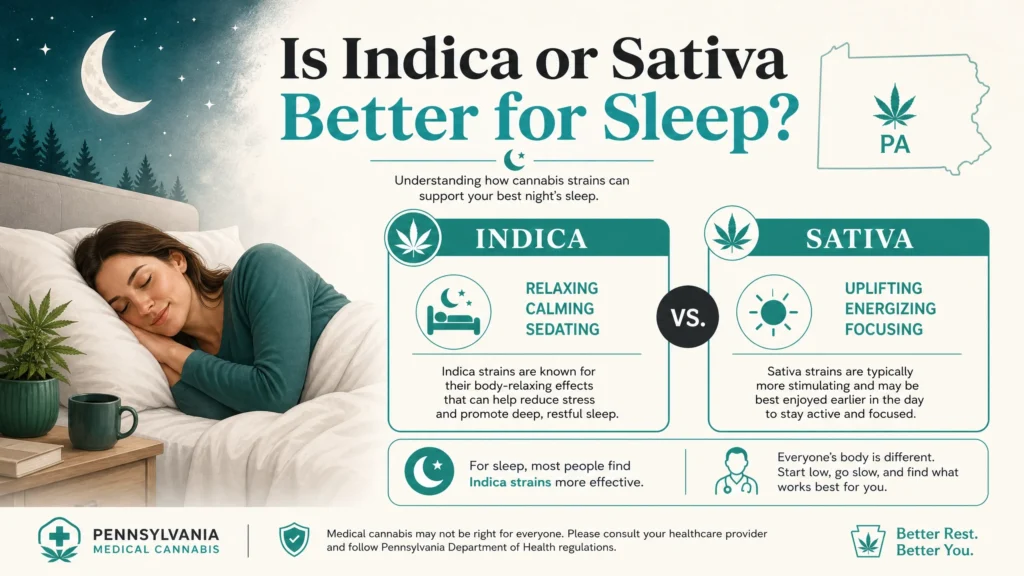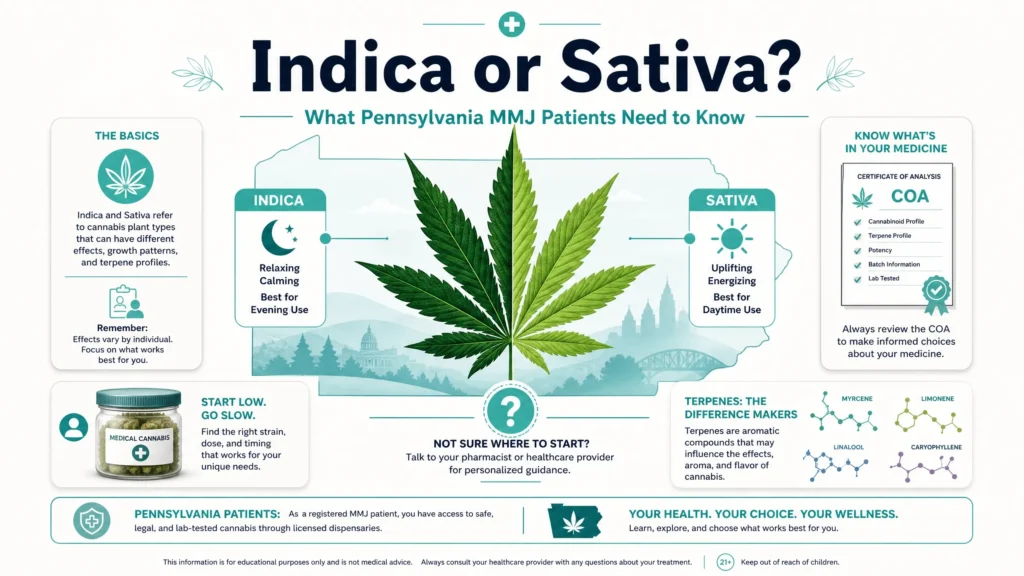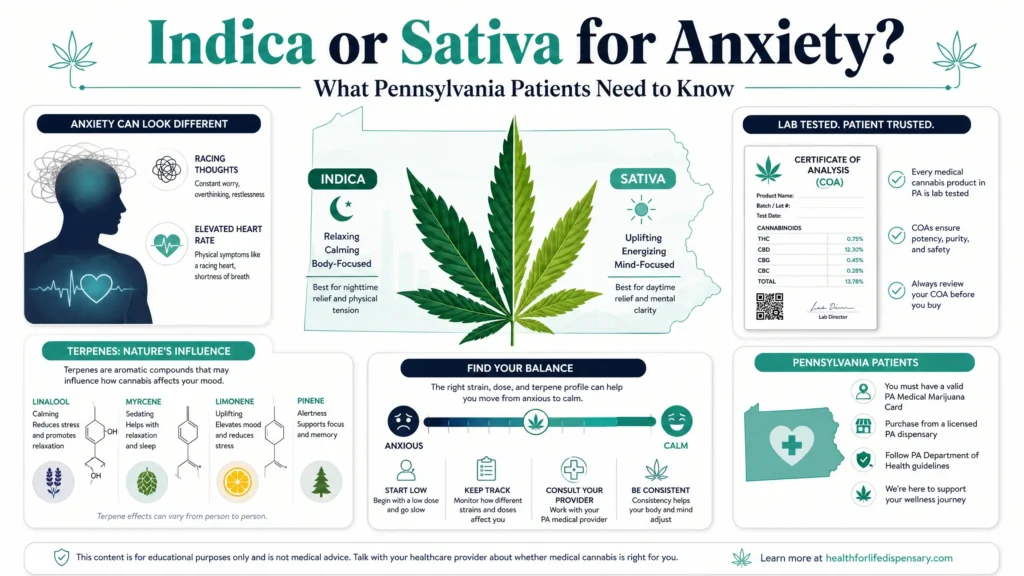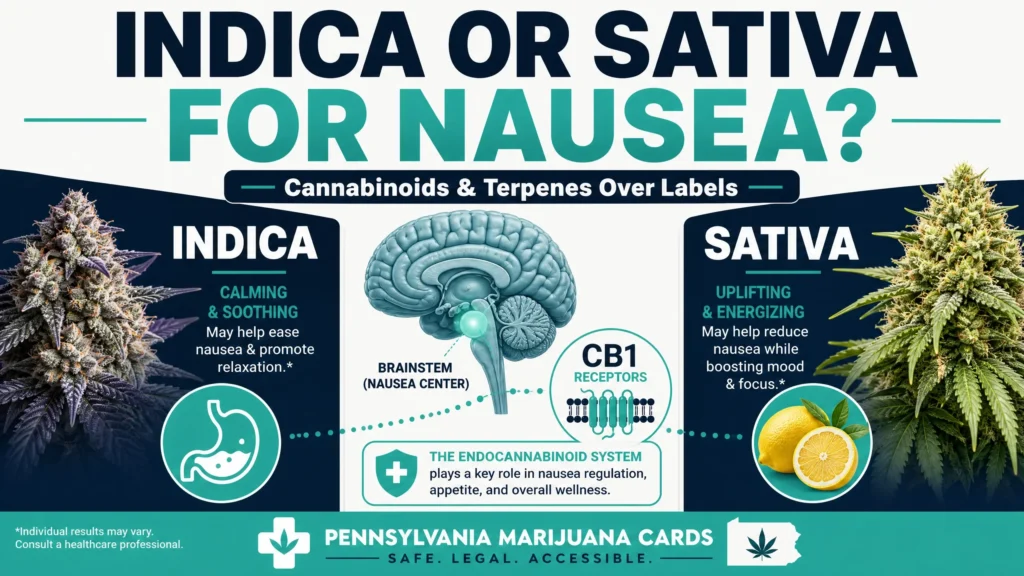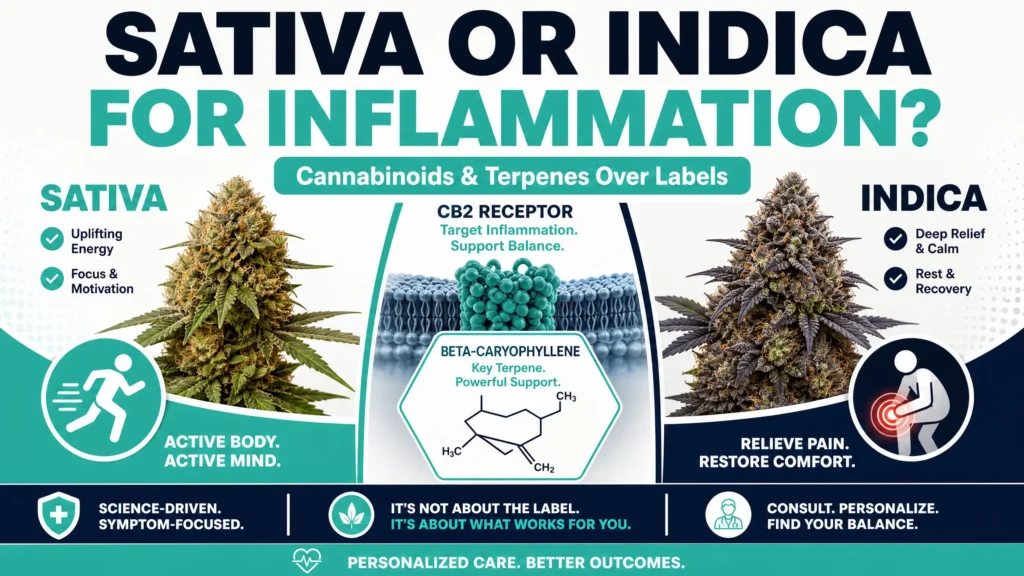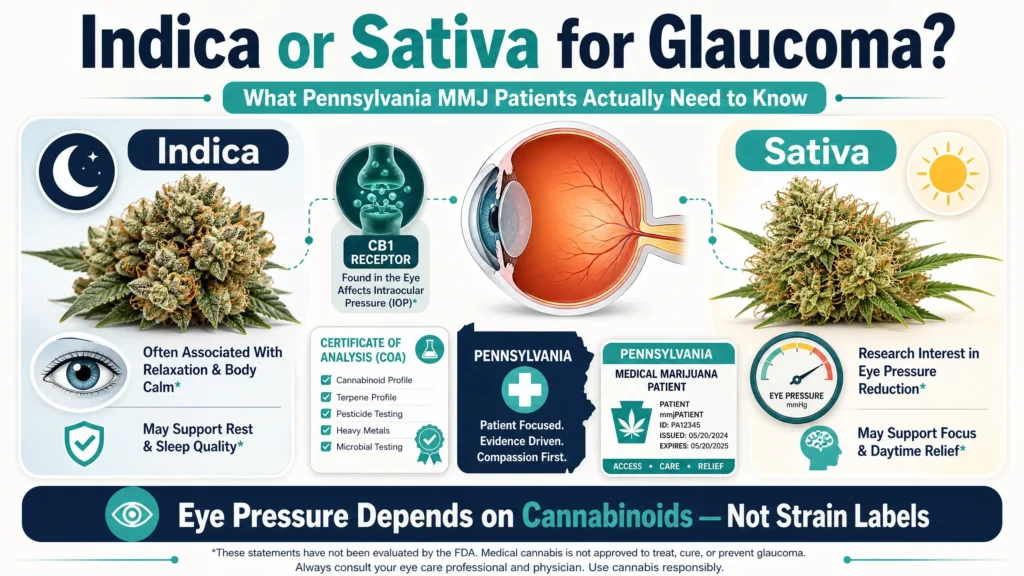
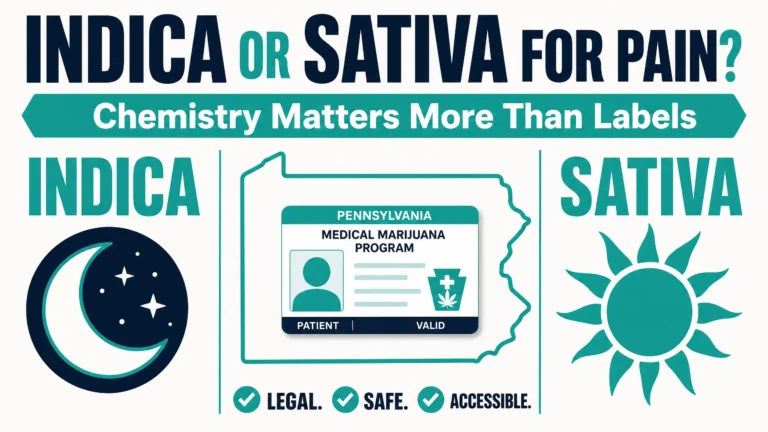

Chronic pain patients searching for “indica or sativa for pain” are asking the right question in the wrong language.
The indica/sativa distinction is a marketing label, not a pharmacological classification and Pennsylvania’s dispensary system gives you a far more reliable tool: the Certificate of Analysis (COA) terpene profile printed on every product by state law.
⚡ Quick Answer
Neither indica nor sativa reliably predicts pain relief, the terpene profile and THC:CBD ratio on a product’s COA are the clinically relevant factors.
For Pennsylvania residents: A valid MMJ card is required to purchase any cannabis product at PA’s 186+ licensed dispensaries, recreational cannabis remains illegal under state law as of July 2026.
Key Takeaways
- The indica/sativa label is legally meaningless at PA dispensaries — Pennsylvania requires full terpene COA labeling on every product, which is the data that actually guides pain management decisions
- Beta-caryophyllene is the only terpene that directly activates cannabinoid receptors — making it uniquely relevant for pain patients, regardless of whether a product is labeled indica or sativa
- Neuropathic, inflammatory, and nociceptive pain respond differently to cannabinoid ratios — choosing the wrong THC:CBD ratio for your pain subtype can reduce efficacy or worsen symptoms
- PA pain patients face a specific DUI risk most dispensary staff won’t warn you about — THC metabolites remain detectable in blood long after therapeutic effects resolve, and Pennsylvania’s per se DUI law has no MMJ card exemption
- Describing your symptoms to a dispensary pharmacist — not asking for “an indica” — is the single most effective strategy for finding the right product for your pain at a PA dispensary
Why the Indica/Sativa Question Is the Wrong Starting Point
The terms “indica” and “sativa” originated as botanical classifications describing plant morphology, leaf width, plant height, growing cycle. They were never designed to predict pharmacological effect.
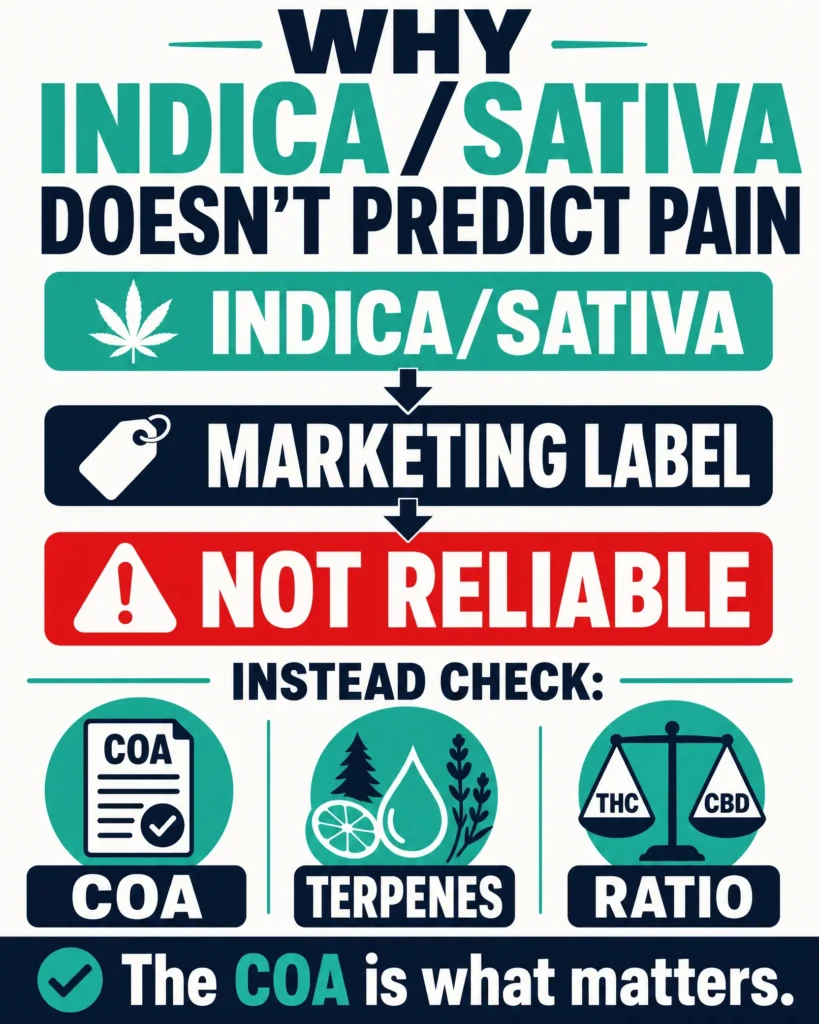
As Ethan Russo’s foundational 2011 research in the British Journal of Pharmacology established, the therapeutic effects of cannabis are produced by the full chemical profile, cannabinoids, terpenes, and flavonoids acting together, not by plant shape or marketing category.
What actually determines how a cannabis product affects your pain is the terpene profile and cannabinoid ratio on its COA, not whether the label says indica or sativa.
Two products both labeled “indica” can have completely different terpene profiles and produce completely different effects in a chronic pain patient.
Why Pennsylvania’s Labeling Rules Make This Clearer Than Most States
Pennsylvania’s Department of Health updated its product labeling requirements in 2025 to mandate full terpene profiles on all dispensary products.
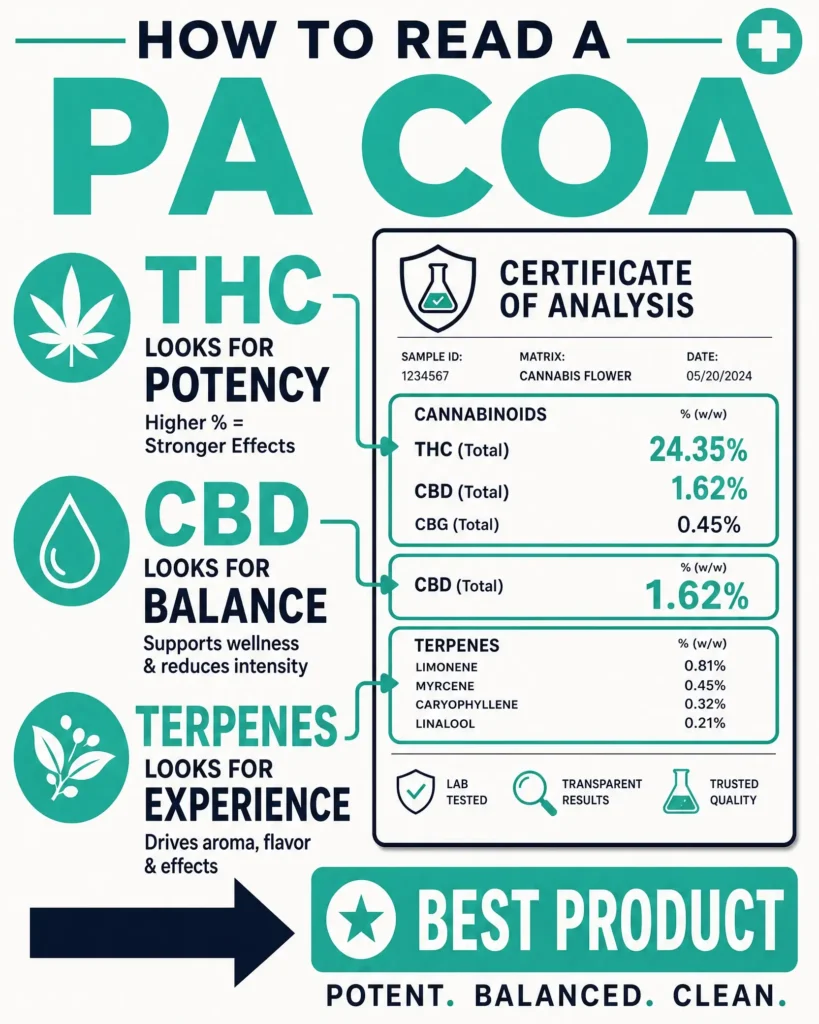
Every product sold at Pennsylvania’s 186+ licensed dispensaries must include a batch-specific COA listing all major and minor terpenes, not just THC and CBD percentages.
This makes PA one of the better-regulated states for patients trying to make evidence-informed product decisions.
📋 PA Dispensary Rule: Always ask for the COA for the specific batch you’re purchasing, not the generic product sheet. Terpene profiles vary batch to batch even within the same product line.
The Terpenes That Actually Matter for Pain Relief
Terpenes are aromatic compounds produced by the cannabis plant that interact with cannabinoids and human receptors to shape therapeutic effect.
For pain patients, three terpenes are supported by the strongest peer-reviewed evidence.
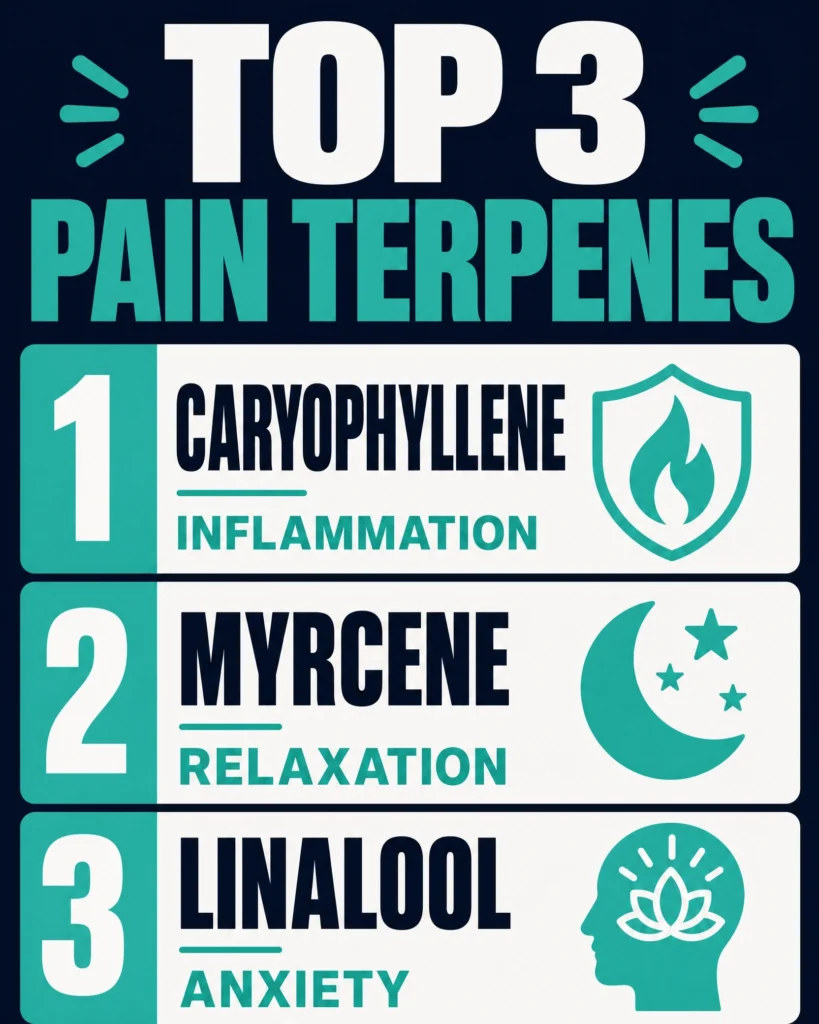
Beta-Caryophyllene — The Pain Patient’s Terpene
Beta-caryophyllene (BCP) is unique among cannabis terpenes: it is the only terpene that directly binds to CB2 cannabinoid receptors, the receptors most associated with anti-inflammatory and peripheral pain modulation.
This means BCP produces therapeutic effects through the endocannabinoid system without the psychoactive CB1 activation that high-THC products produce.
For pain patients who are sensitive to THC’s psychoactive effects, high-caryophyllene products may offer meaningful relief with fewer cognitive side effects.
BCP is commonly found in both indica- and sativa-labeled products, confirming that the label tells you nothing about its presence.
| Terpene | Receptor Activity | Pain Relevance | Evidence Level |
|---|---|---|---|
| Beta-caryophyllene | CB2 agonist | Anti-inflammatory, peripheral pain | Strong — multiple peer-reviewed studies |
| Myrcene | Indirect cannabinoid synergy | Muscle relaxation, sedation, sleep | Moderate — preclinical data |
| Linalool | GABA-A modulation | Pain with anxiety component | Moderate — preclinical + limited clinical |
| Alpha-pinene | Acetylcholinesterase inhibition | Cognitive clarity, counters THC fog | Preliminary |
| Limonene | Serotonin pathway modulation | Pain with comorbid depression/anxiety | Preliminary |
Myrcene — Sedation and Muscle Relaxation
Myrcene is the most abundant terpene in most commercially cultivated cannabis and is often cited as the reason “indicas make you sleepy.”
Preclinical research suggests myrcene produces sedating and muscle-relaxant effects through mechanisms that potentiate cannabinoid activity.
For pain patients whose chronic pain disrupts sleep, high-myrcene products used in the evening may address both pain and sleep simultaneously.
Myrcene content, not the indica/sativa label, is the more reliable predictor of sedating effect. Some sativa-labeled products are higher in myrcene than many indica-labeled products.
Linalool — Pain With an Anxiety Component
Linalool, best known from lavender, modulates GABA-A receptors, the same pathway targeted by benzodiazepine medications.
For pain patients whose chronic pain is accompanied by anxiety or tension, linalool-dominant products may address both dimensions.
Given that more than 68% of Pennsylvania MMJ certifications cite anxiety as a qualifying condition (Drake et al., Annals of Internal Medicine, July 2025), pain-anxiety comorbidity is extremely common in the PA patient population.
THC, CBD, and Cannabinoid Ratios for Different Pain Types
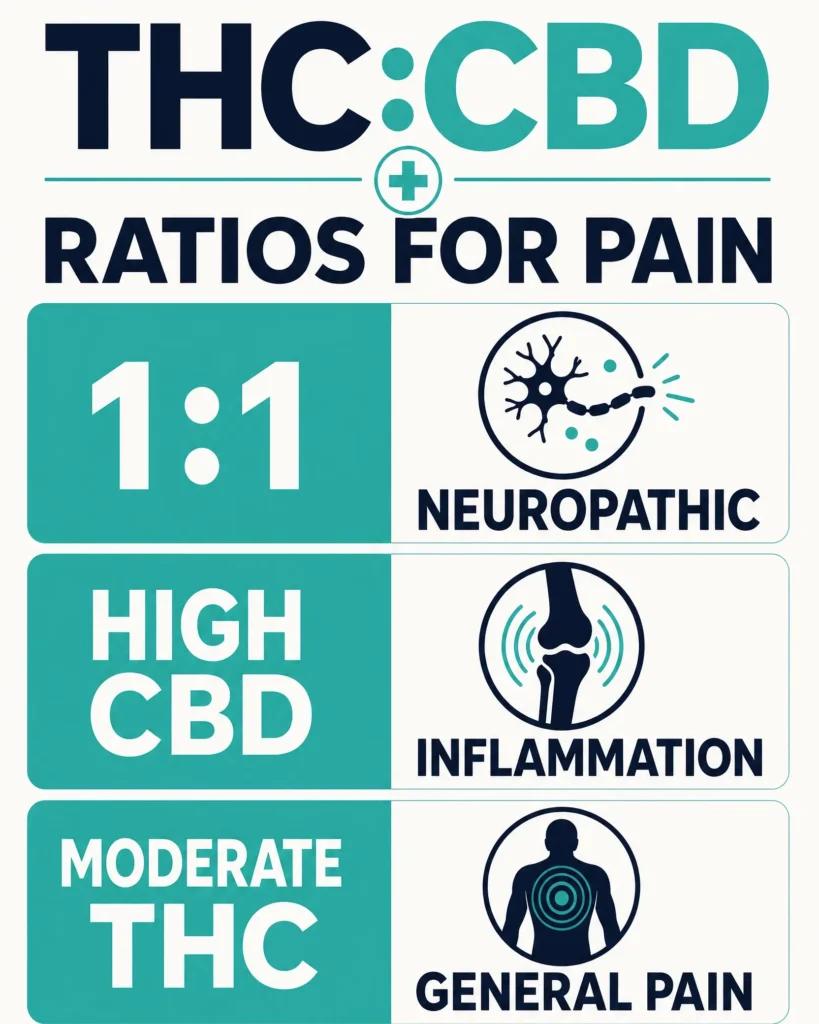
Chronic pain is not a single condition. The right THC:CBD ratio depends significantly on the type of pain you’re managing and getting this wrong is one of the most common reasons patients report that cannabis “didn’t help” with their pain.
| Pain Type | Mechanism | Suggested Starting Ratio | Notes |
|---|---|---|---|
| Neuropathic pain | Nerve damage / sensitization | Balanced THC:CBD (1:1) | CBD modulates spinal pain signaling ; THC alone may worsen anxiety |
| Inflammatory pain | Cytokine-driven tissue inflammation | Higher CBD, moderate THC | CB2-mediated anti-inflammatory effect |
| Nociceptive pain | Tissue damage, acute-on-chronic | Moderate THC with BCP terpene | CB1 analgesia most relevant here |
| Pain with sleep disruption | Any type + insomnia | Higher THC, high myrcene, evening use | Sedating profile; not for daytime |
| Pain with anxiety | Any type + anxiety comorbidity | Lower THC, higher CBD, linalool | High THC can worsen anxiety in sensitive patients |
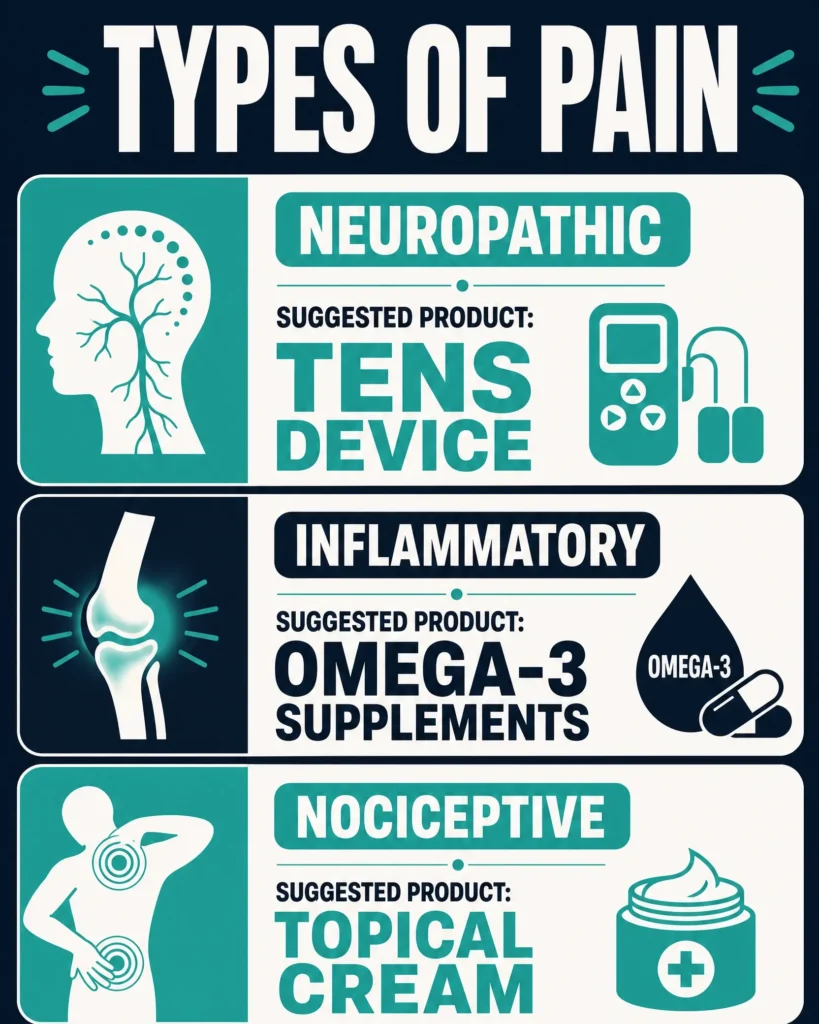
Why High-THC Products Are Not Automatically Better for Pain
A common assumption — reinforced by recreational cannabis culture, is that higher THC means more pain relief. The clinical evidence does not support this for all pain types.
At higher doses, THC can increase anxiety and hyperalgesia (pain sensitivity) in some patients, particularly those with neuropathic pain or anxiety comorbidity.
Starting with a moderate THC product and a balanced CBD ratio consistently outperforms high-THC products in treatment-naive chronic pain patients.
What Pennsylvania Patients Need to Know About Qualifying
Severe chronic or intractable pain is a named qualifying condition under Pennsylvania’s Act 16 of 2016.
This means patients managing long-term pain that has not responded adequately to conventional treatment have a clear legal pathway to an MMJ card.
Pennsylvania also recognizes several related conditions that frequently present with significant pain components:
- Neuropathies: peripheral nerve damage producing chronic burning or shooting pain
- Multiple Sclerosis: spasticity and neuropathic pain
- Cancer: pain, nausea, and treatment side effects
- Crohn’s Disease: abdominal pain and inflammatory bowel symptoms
If your primary diagnosis is severe chronic or intractable pain, review Pennsylvania’s full qualifying conditions list to confirm eligibility before scheduling a certification appointment.
How to Use PA Dispensaries Effectively for Pain
Pennsylvania’s dispensary system is designed around pharmacist-led patient consultations, a significant advantage for pain patients navigating product selection.

The single most effective strategy: describe your symptoms to the dispensary pharmacist, not the strain name.
Telling a pharmacist “I have neuropathic leg pain that wakes me at night and I’m sensitive to anxiety side effects” produces far better product recommendations than asking for “a good indica for pain.”
What to Tell Your Dispensary Pharmacist
- Type of pain (neuropathic, inflammatory, musculoskeletal)
- Time of use (daytime function vs. evening/sleep)
- Sensitivity to psychoactive effects or anxiety history
- Any other medications (for drug interaction screening)
- Preferred delivery method and experience level
Product Formats Available at PA Dispensaries
| Format | Onset Time | Duration | Best For |
|---|---|---|---|
| Vaporization (flower/oil) | 5–15 minutes | 2–3 hours | Breakthrough pain, rapid relief |
| Tincture (sublingual) | 15–45 minutes | 3–5 hours | Daytime use, dose control |
| Capsule/tablet | 45–90 minutes | 5–8 hours | Consistent baseline pain management |
| Edible | 60–120 minutes | 6–10 hours | Overnight pain and sleep |
| Topical | 15–30 minutes (local) | 2–4 hours | Localized joint or muscle pain |
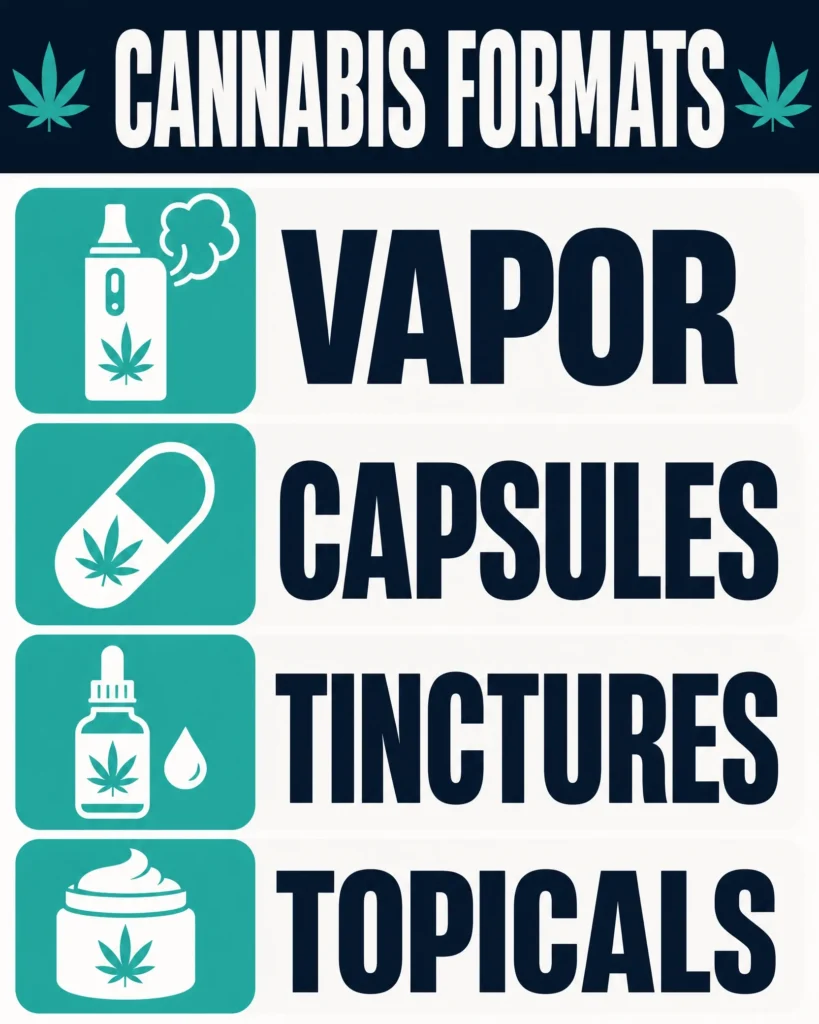
💡 Pro Tip: For chronic pain requiring consistent coverage, many PA patients use a long-duration format (capsule or edible) for baseline management and a fast-onset format (vaporizer) for breakthrough pain episodes.
Pennsylvania Legal Notes Every Pain Patient Must Read
A Valid PA MMJ Card Is Required
Cannabis remains illegal for recreational use in Pennsylvania as of July 2026. Purchasing or possessing cannabis without a valid card issued under Act 16 of 2016 is a criminal offense regardless of medical need.
Smoking Is Prohibited Under Pennsylvania Law
Act 16 explicitly prohibits smoking cannabis.
Legal consumption methods include vaporization, oral ingestion (edibles, capsules, tinctures), and topical application.
Patients found smoking cannabis may face legal consequences even with a valid MMJ card.
⚠️ The DUI Risk Pain Patients Are Not Being Told About
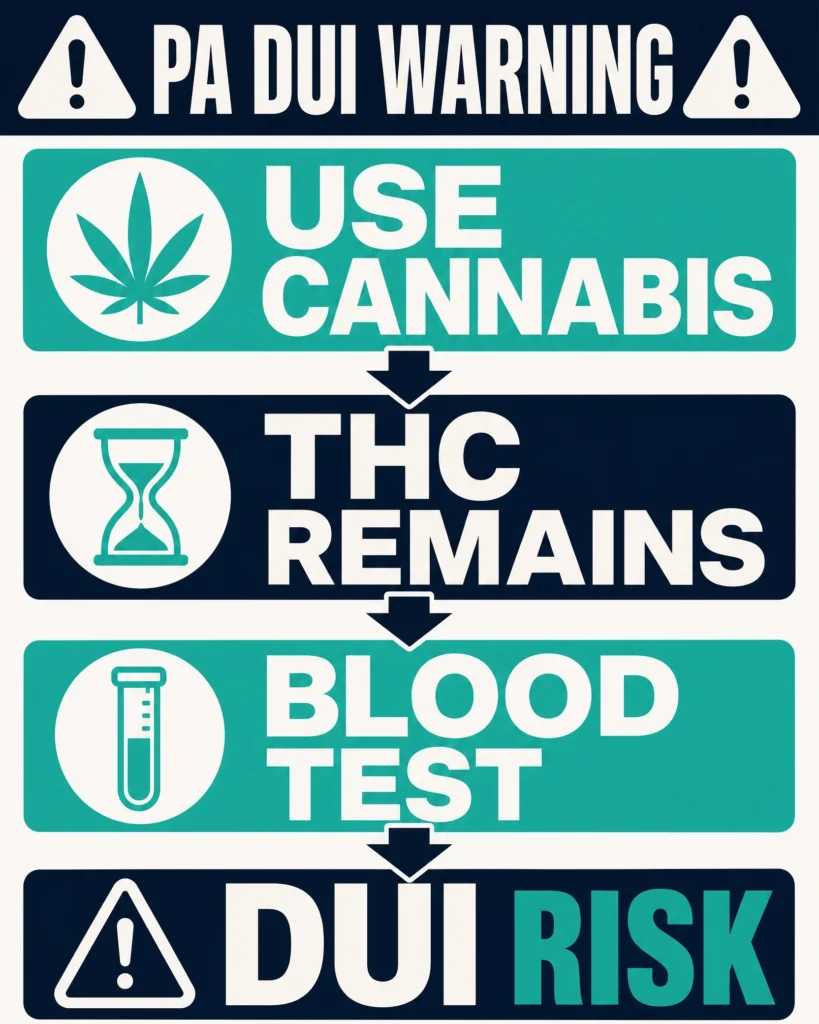
This is the most important legal warning for chronic pain patients using cannabis. Pennsylvania operates under a per se DUI standard under 75 Pa.C.S. § 3802(d), meaning any detectable THC metabolite in your blood constitutes a DUI, regardless of actual impairment.
THC metabolites remain detectable in blood for hours to days after therapeutic effects have fully resolved. In Commonwealth v. Stone (2022), Pennsylvania courts confirmed that holding a valid MMJ card provides no legal defense against a per se DUI charge.
Chronic pain patients who dose in the morning should understand they may be legally impaired for driving purposes under PA law even when they feel fully functional.
Discuss driving and dosing timing with your certifying physician.
Getting Certified in Pennsylvania
Telehealth certification is available statewide through pennsylvaniamarijuanacards.com.
| Fee | Amount |
|---|---|
| Physician certification (new patient) | $159 |
| PA state registration fee | $50 |
| Total — new patient | $209 |
| Physician certification (renewal) | $149 |
| PA state registration fee | $50 |
| Total — renewal | $199 |
Patients qualifying for Medicaid, SNAP, WIC, CHIP, PACE, or PACENET may have the $50 state fee waived through Pennsylvania’s MMAP program.
How to Choose the Right Pain Product: 5 Steps
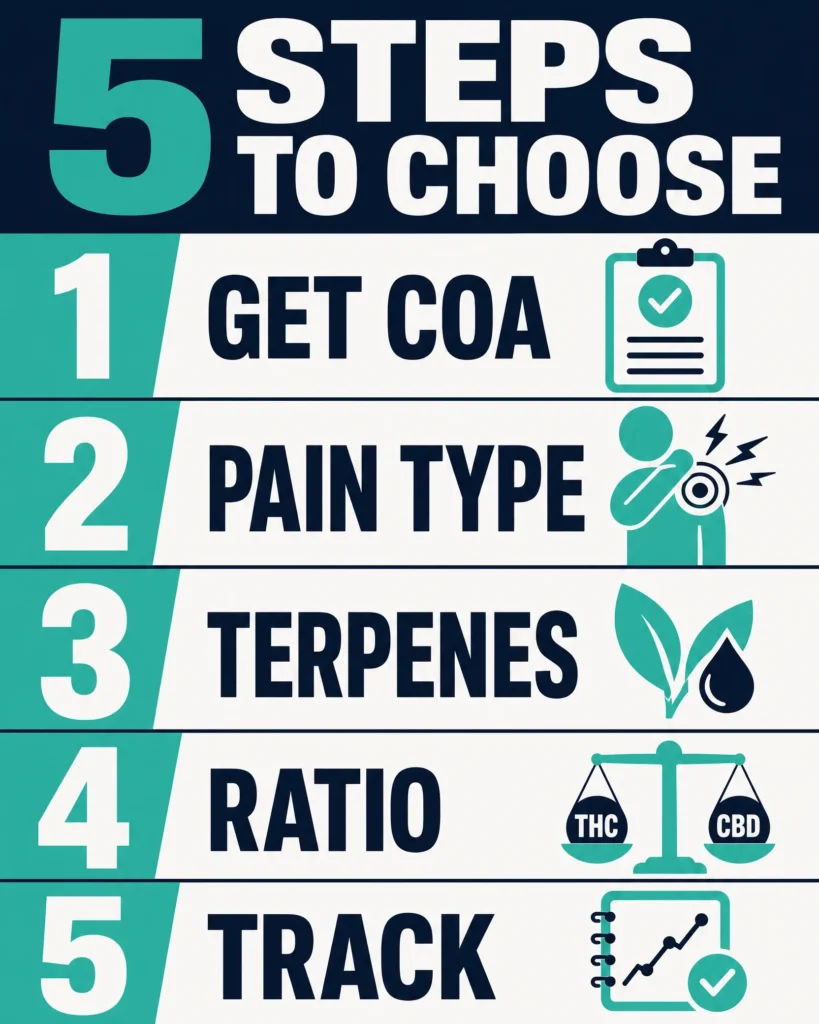
- Pull the COA — not the label. Ask dispensary staff for the batch-specific Certificate of Analysis. Ignore the indica/sativa designation entirely and look at the terpene column.
- Identify your dominant terpene target. For inflammatory pain, prioritize beta-caryophyllene. For pain with sleep disruption, prioritize myrcene. For pain with anxiety, prioritize linalool and lower THC.
- Match the THC:CBD ratio to your pain subtype. Neuropathic pain responds better to balanced ratios. Inflammatory pain often responds well to higher CBD. Acute breakthrough pain may warrant higher THC under pharmacist guidance.
- Select the delivery format for your use case. Daytime baseline management calls for a long-duration format. Breakthrough pain calls for a fast-onset format. Never select based on what worked for someone else, individual pharmacokinetics vary significantly.
- Start low, adjust slowly. Begin at the lowest available dose and wait at least two weeks before adjusting. Document your pain levels, dosing times, and side effects, bring this record to your next dispensary or physician visit.
💡 Pro Tip: Pennsylvania dispensary pharmacists are licensed healthcare professionals. A 10-minute consultation at the pharmacist counter, describing symptoms, sensitivities, and goals, is more valuable than any online strain recommendation.
Frequently Asked Questions
Q: Is indica or sativa better for chronic pain?
A: Neither indica nor sativa is reliably better for chronic pain as a category, because the labels do not reflect pharmacological content. What predicts pain relief is the terpene profile and THC:CBD ratio found on a product’s Certificate of Analysis. Beta-caryophyllene, the only terpene that directly activates CB2 cannabinoid receptors, is the most clinically relevant terpene for pain regardless of whether a product is labeled indica or sativa. Pennsylvania law requires full terpene COA disclosure on all dispensary products, giving PA patients better data than the indica/sativa label provides. Ask your dispensary pharmacist to help you read the COA rather than selecting by label.
Q: What terpenes are best for pain relief?
A: Beta-caryophyllene is the most strongly evidenced terpene for pain, due to its direct CB2 receptor agonism and documented anti-inflammatory properties in peer-reviewed research. Myrcene is useful for pain accompanied by muscle tension and sleep disruption. Linalool is relevant for patients whose pain has a significant anxiety or tension component. These terpenes appear in both indica- and sativa-labeled products, which is precisely why COA data, not marketing labels, should guide product selection for pain patients.
Q: Does Pennsylvania recognize chronic pain as a qualifying condition?
A: Yes, severe chronic or intractable pain is a named qualifying condition under Pennsylvania’s Act 16 of 2016. Patients with documented chronic pain that has not adequately responded to conventional treatment are eligible for MMJ certification. Related conditions such as neuropathies, multiple sclerosis, and cancer also qualify under separate categories and frequently involve significant pain components. A full list of qualifying conditions is available at pennsylvaniamarijuanacards.com.
Q: What THC:CBD ratio is best for pain?
A: The optimal ratio depends on your pain type. Neuropathic pain typically responds better to balanced 1:1 THC:CBD ratios, as CBD modulates spinal pain signaling while reducing THC’s anxiety-inducing potential. Inflammatory pain often responds well to higher-CBD formulations targeting CB2-mediated anti-inflammatory pathways. Nociceptive or acute-on-chronic pain may respond to moderate-to-higher THC under pharmacist guidance. High-THC products without CBD are not automatically more effective and can worsen anxiety and pain sensitivity in some patients, particularly those new to cannabis therapy.
Q: Can I get a PA medical marijuana card for pain online?
A: Yes, Pennsylvania MMJ certifications are conducted via telehealth statewide. New patients pay $159 for the physician certification plus a $50 PA state registration fee ($209 total). Renewals cost $149 plus the $50 state fee ($199 total). Patients qualifying for Medicaid, SNAP, WIC, CHIP, PACE, or PACENET may have the $50 state fee waived through the MMAP program. Certification is available through pennsylvaniamarijuanacards.com.
Q: Will a PA MMJ card protect me from a DUI if I drive after medicating for pain?
A: No, a Pennsylvania MMJ card provides zero protection under the state’s per se DUI law. Under 75 Pa.C.S. § 3802(d), any detectable level of THC metabolites in blood constitutes a DUI regardless of impairment or card status. Commonwealth v. Stone (2022) confirmed this in PA court. THC metabolites remain detectable in blood well after therapeutic effects resolve, a particular concern for chronic pain patients who medicate regularly. Discuss safe dosing and driving windows with your certifying physician.
Q: Is smoking cannabis for pain legal in Pennsylvania?
A: No, smoking cannabis is explicitly prohibited under Pennsylvania’s Act 16 of 2016, even for patients with a valid MMJ card. Legal consumption methods for pain management include vaporization, oral tinctures, capsules, edibles, and topical application. Vaporization provides the fastest onset for breakthrough pain. Capsules and edibles provide the longest duration for baseline chronic pain coverage. Topicals can address localized joint or muscle pain without systemic psychoactive effects.
Medically reviewed by Dr. Johnathon Chance Miller, MD (License #MD474783). This content is for educational purposes only and does not constitute medical advice. Cannabis affects individuals differently. Consult a licensed healthcare provider before using cannabis for any medical condition. Pennsylvania medical marijuana patients must follow all state laws regarding legal methods of consumption. Smoking cannabis is prohibited under PA law. Do not drive after consuming cannabis. THC metabolites remain detectable in blood after psychoactive effects resolve, Pennsylvania’s per se DUI law applies regardless of MMJ card status.
Sources
- Russo EB. Taming THC: potential cannabis synergy and phytocannabinoid-terpenoid entourage effects. Br J Pharmacol. 2011
- Gertsch J, et al. Beta-caryophyllene is a dietary cannabinoid. PNAS. 2008
- Dos Santos ÉA, et al. Myrcene and pain — preclinical review. Molecules. 2021
- Linalool and GABA-A receptor modulation — Frontiers in Neuroscience. 2020
- Aviram J, Samuelly-Leichtag G. Efficacy of Cannabis-Based Medicines for Pain Management. J Pain Res. 2017
- Vuckovic S, et al. Cannabinoids and Pain — CNS Drugs. 2018
- Drake DF, et al. Medical marijuana certifications by qualifying condition — Pennsylvania. Annals of Internal Medicine. July 2025. DOI: 10.7326/ANNALS-25-01037
- Pennsylvania Department of Health — Medical Marijuana Program
- Pennsylvania Act 16 of 2016 — Medical Marijuana Act
- 75 Pa.C.S. § 3802(d) — Pennsylvania DUI statute