
Cannabis use among older Americans is rising faster than in any other age group. A June 2025 JAMA Internal Medicine study found medical cannabis use increasing significantly among older adults, with NYU and UC San Diego researchers documenting that 7% of adults 65 and older now report recent cannabis use, a 46% increase in two years.
For Pennsylvania seniors, this trend brings both opportunity and specific responsibility. The qualifying conditions most common among older adults, including chronic pain, arthritis, PTSD, anxiety, and nausea from cancer treatment, are among Pennsylvania’s 24 recognized conditions under Act 16 of 2016.
Need a PA Medical Marijuana Card?
Get certified online in 15 minutes. 100% Money-Back Guarantee.
Get Certified Now →But cannabis affects older bodies differently than younger ones. Pharmacokinetics change with age. Polypharmacy is common. Drug interaction risks are real and documented. And the dosing rules that apply to a 35-year-old patient do not apply to someone who is 70.
This guide gives Pennsylvania senior patients and their families what the research actually says, with specific guidance for PA dispensary products.
Key Takeaways
| Topic | Key Point |
|---|---|
| The Golden Rule | Start low, go slow, and stay low, seniors often achieve full therapeutic benefit at doses that would be sub-therapeutic for younger patients |
| PA seniors and MMAP | Pennsylvania seniors enrolled in Medicare Part D Extra Help, Medicaid, SNAP, or PACENET may qualify for the MMAP fee waiver, eliminating the $50 PA state registration fee |
| Biggest risk | Drug interactions: a December 2025 study of 12,599 seniors found cannabis combined with common medications including warfarin raised risks of bleeding and cardiovascular events |
| Best product formats | Non-inhaled: tinctures, troches, and capsules are preferred over vaporized products for senior patients per BMJ clinical guidelines |
| Starting dose | 1 to 2.5mg THC maximum for new senior users; CBD at 5 to 10mg; doses lower than standard adult recommendations apply |
| Critical disclosure | 44% of senior cannabis users have not discussed their use with a healthcare provider, this gap is dangerous for patients on multiple medications |
Why Senior Cannabis Use Is Rising and What the Research Shows
The fastest-growing cannabis user demographic in the United States is adults over 65.
A June 2025 study in JAMA Internal Medicine, led by researchers from NYU and UC San Diego, documented this trend and highlighted the clinical implications. Older patients are increasingly turning to cannabis as an alternative or adjunct to conventional pharmaceuticals, particularly opioids and benzodiazepines.
Do You Qualify for a PA MMJ Card?
Connect with a licensed Pennsylvania state physician online from home.
A 2024 National Poll on Healthy Aging surveyed 3,379 adults aged 50 and older. Among findings: one in five reported past-year cannabis use. The most common reasons were relaxation (81%), sleep (68%), general mood and enjoyment (64%), pain (63%), and mental health (53%).
The shift toward cannabis reflects real limitations in conventional treatment for many age-related conditions. Opioids carry addiction risk, cognitive effects, and fall risk. Benzodiazepines impair cognition and increase fall risk significantly. NSAIDs cause gastrointestinal damage with chronic use.
Cannabis, used correctly, offers a therapeutic alternative for these conditions without several of those specific risks.
The qualifier matters: used correctly. The JAMA study researchers noted that geriatric patients may have altered pharmacokinetics, increased drug interaction risks, and different efficacy and safety profiles than younger populations.
Senior cannabis use is not the same as adult cannabis use with a smaller dose. It requires a distinct clinical approach.
How Cannabis Affects Older Bodies Differently
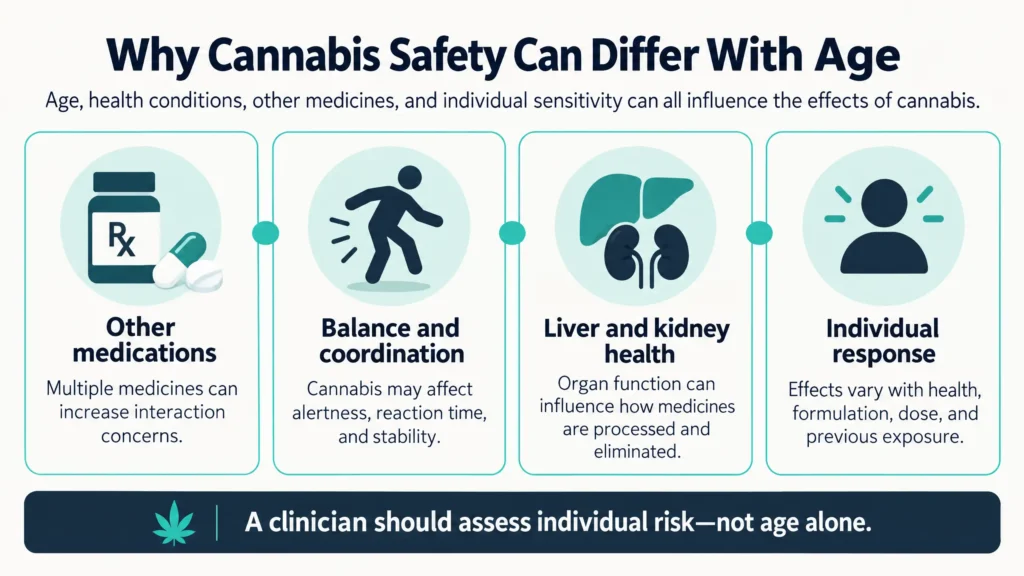
Understanding why seniors need different dosing starts with understanding four specific pharmacokinetic changes that occur with aging.
Change 1: Altered body composition
Older adults typically have less lean muscle mass and more body fat relative to body weight than younger adults.
THC is highly lipophilic (fat-soluble). It distributes into fat tissue. In older bodies with higher fat-to-muscle ratios, THC distribution is less predictable. Peak blood levels may arrive faster, and redistribution from fat stores can produce unexpected delayed effects.
Change 2: Slower liver metabolism
The liver enzymes that process cannabinoids (primarily CYP2C9 and CYP3A4) become less active with age.
This means THC and CBD remain in the bloodstream longer at higher concentrations in older adults at equivalent doses. A 5mg dose of THC in a 70-year-old produces higher peak blood levels and longer duration than the same 5mg dose in a 35-year-old.
Change 3: Reduced kidney clearance
⚡ Fast & 100% Online PA Medical Cards
Board-Certified Doctors • 100% Money-Back Guarantee
Book Evaluation Now →Kidney function declines with age. Cannabinoid metabolites are cleared more slowly, extending the effective duration of each dose.
Change 4: Lower plasma protein binding
Cannabinoids bind to plasma proteins in the blood. With age, plasma protein levels decrease, meaning more free (unbound, pharmacologically active) cannabinoid circulates. This amplifies the effect of a given dose beyond what the label alone would predict.
The combined effect
The same dose that a younger adult uses for mild therapeutic effect may produce significantly stronger effects in an older adult. This is not a sign of intolerance or weakness. It is pharmacokinetics.
It is also why the Golden Rule for senior cannabis use is not just “start low and go slow” but “start low, go slow, and stay low.”
The Golden Rule: Start Low, Go Slow, and Stay Low
Most cannabis dosing guides for adults say “start low and go slow.” For senior patients, a third instruction is essential: stay low.
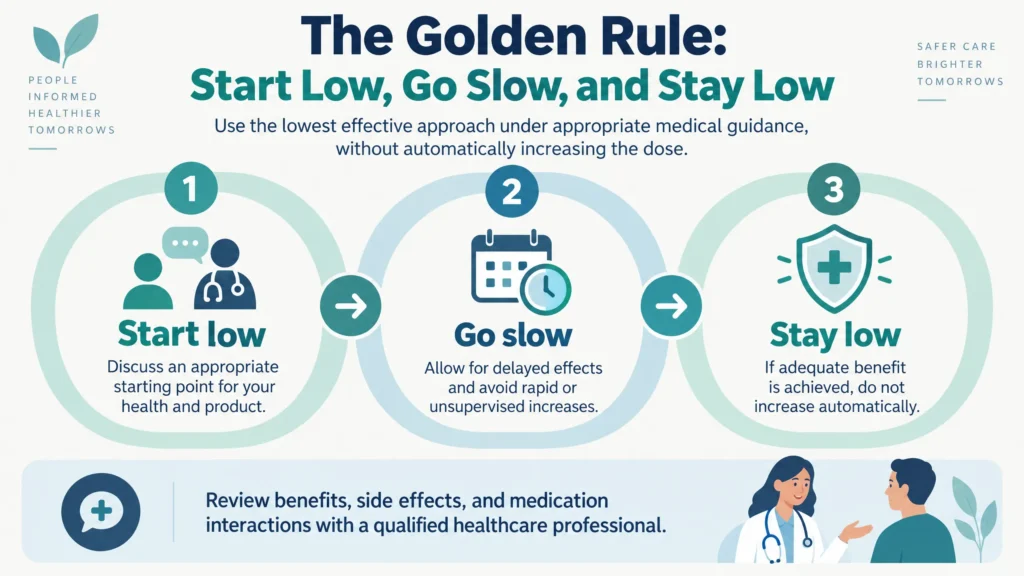
Younger patients often titrate up from initial microdoses toward higher therapeutic doses over weeks. Senior patients frequently discover their full therapeutic benefit occurs at doses well below where younger patients land. Continuing to increase the dose after therapeutic benefit appears is one of the most common errors in senior cannabis use.
What the Golden Rule means in practice
| Phase | Timeframe | Action |
|---|---|---|
| Start | Week 1 | 1 to 2.5mg THC once daily (or 5 to 10mg CBD), no increase |
| Go slow | Weeks 2 to 3 | If inadequate relief and no side effects, increase by 1mg THC (or 5mg CBD) |
| Stay low | Ongoing | When therapeutic benefit appears, hold that dose; do not continue upward titration |
| Reassess | Monthly | Review dose effectiveness and any emerging side effects with physician or pharmacist |
Senior vs younger adult cannabis dosing comparison
| Dosing Factor | Younger Adult (25 to 50) | Senior Adult (65+) | Why It Differs |
|---|---|---|---|
| THC starting dose | 2.5 to 5mg | 1 to 2.5mg | Slower liver metabolism raises blood levels |
| Time to assess dose | 3 to 5 days | 7 days minimum | Slower clearance; effects last longer |
| Typical therapeutic dose | 5 to 15mg THC | 2 to 5mg THC | Altered distribution and metabolism |
| CBD starting dose | 10 to 25mg | 5 to 10mg | Enzyme interactions more significant |
| Product format | Any PA dispensary format | Non-inhaled preferred | Respiratory and fall risk considerations |
| Dose ceiling approach | Titrate up freely | Stay low once benefit found | Pharmacokinetic amplification at higher doses |
Why “stay low” matters for seniors specifically
The pharmacokinetic changes described in Section 2 mean that seniors often reach effective blood levels at doses that look sub-therapeutic on paper.
A 2mg dose of THC may produce only mild effects in a 30-year-old patient but provide meaningful anxiety relief in a 70-year-old patient with slower metabolism and altered distribution.
When that 70-year-old reports “mild” effects at 2mg and keeps increasing to 5mg, 8mg, and 10mg expecting more relief, they may instead encounter cognitive effects, sedation, and fall risk.
The goal is the minimum dose that provides adequate therapeutic benefit, not the dose that produces the strongest effect.
Drug Interactions: The Six Medication Categories Seniors Must Know
This is the most critical section for senior PA patients on multiple medications, and the one that requires immediate attention from healthcare providers.
Renewing Your PA MMJ Card?
Quick annual recertification online. No paperwork hassle.
Renew Card Online →A December 2025 longitudinal cohort study published in Age and Ageing followed 12,599 senior medical cannabis patients and evaluated the interaction between cannabis and drugs associated with risks of significant clinical interaction with cannabinoids (DARSCIC).
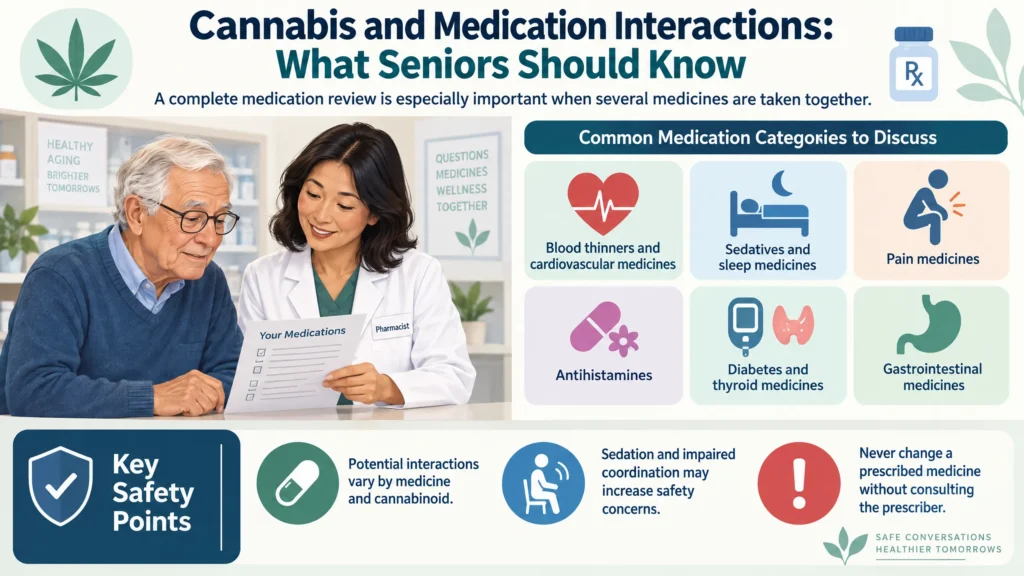
A 2025 review from the Canadian Centre of Outcomes Research in Cannabis (CCORC) identified six medication categories with clinically significant drug interaction potential with cannabis in older adults.
The six categories:
| Medication Category | Common Examples | Interaction Risk | Mechanism |
|---|---|---|---|
| Cardiovascular and antithrombotics | Warfarin, aspirin, clopidogrel | Bleeding risk, blood pressure effects | CBD inhibits CYP2C9 that metabolizes warfarin; THC affects heart rate |
| Central nervous system drugs | Benzodiazepines, opioids, sleep medications | Additive CNS depression, fall risk | Additive sedation; CBD inhibits CYP3A4 that metabolizes many CNS drugs |
| Pain medications | NSAIDs, gabapentin, pregabalin | Additive sedation; altered metabolism | CYP2C9 and CYP3A4 interactions affect NSAID and gabapentin levels |
| Antihistamines | Diphenhydramine (Benadryl), loratadine | Additive sedation, cognitive effects | Both cannabis and antihistamines cause sedation and cognitive impairment |
| Endocrine medications | Thyroid medications, diabetes drugs | Thyroid and glucose metabolism effects | December 2025 study found thyrotoxicosis risk with cannabis-thyroid drug combination |
| Gastrointestinal medications | Proton pump inhibitors, antiemetics | Variable; altered drug metabolism | CYP enzyme interactions affect drug levels |
The CCORC review’s clinical recommendations for patients and prescribers: conduct a complete medication review before starting cannabis, identify potential drug interactions, assess fall risk and cardiovascular disease separately, and titrate doses of both THC and CBD gradually.
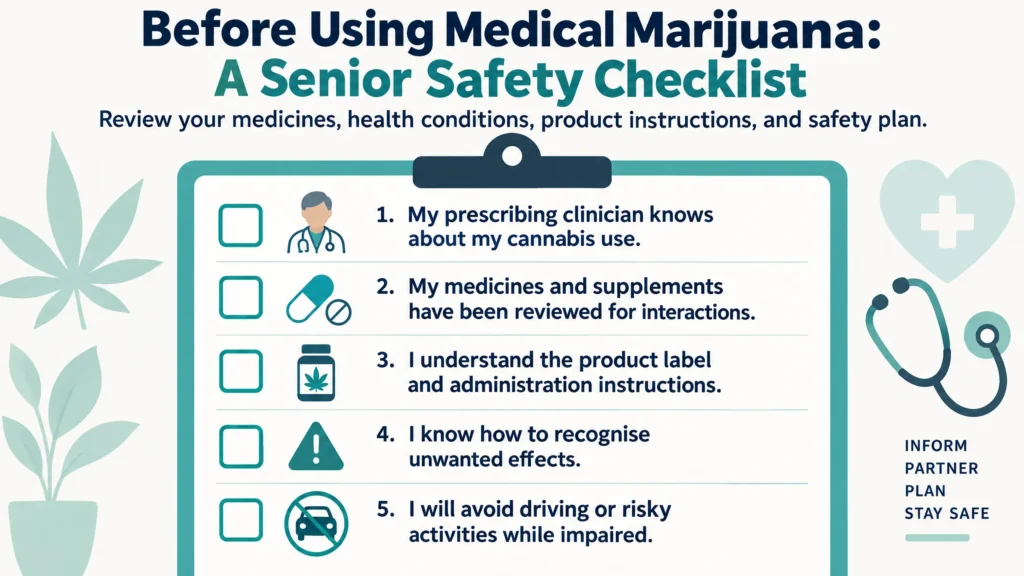
For PA senior patients: Bring a complete list of all medications including over-the-counter drugs and supplements to your PA dispensary pharmacist before making any product selection. This consultation is free and required at every licensed PA dispensary.
The Warfarin Warning: A Critical Drug Interaction
Warfarin (Coumadin) deserves specific attention because it is widely prescribed in older adults for atrial fibrillation, deep vein thrombosis, and stroke prevention, and it carries a particularly well-documented interaction with cannabis.
Warfarin is metabolized by the CYP2C9 liver enzyme. CBD inhibits CYP2C9. When CBD is taken alongside warfarin, warfarin is metabolized more slowly, blood levels rise, and anticoagulant effect intensifies.
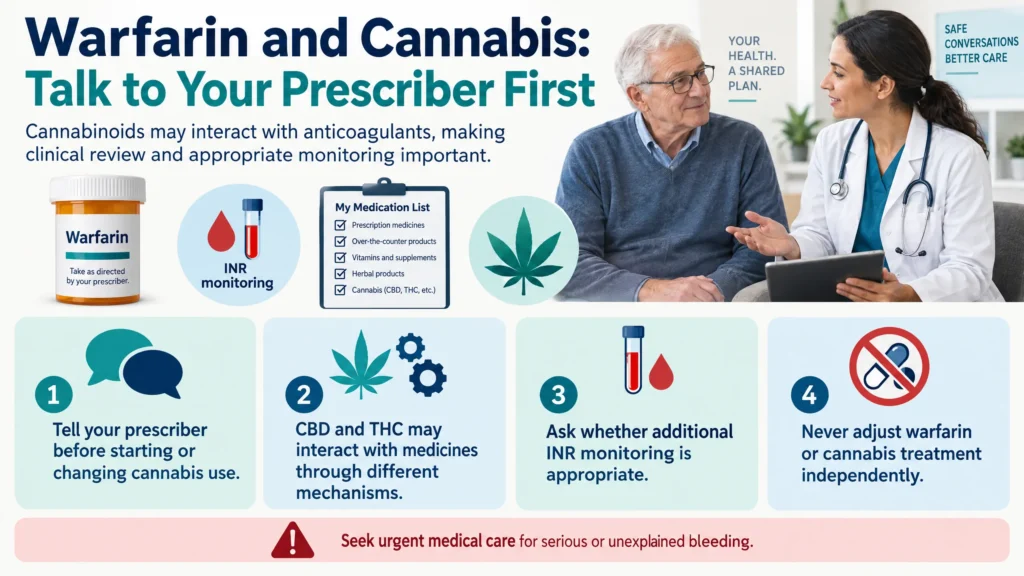
The clinical result is increased bleeding risk.
The December 2025 Age and Ageing longitudinal study specifically found that cannabis use in seniors on antithrombotic medications raised risk of bleeding events.
This does not mean warfarin patients cannot use cannabis. It means:
The prescribing physician must be informed of cannabis use before it starts. INR (international normalized ratio) monitoring should be more frequent during initial cannabis use and dose changes. Doses of either warfarin or cannabis should not be changed without medical oversight. The dispensary pharmacist must know about warfarin use before recommending any product.
Get Approved by a Licensed PA Doctor
Schedule your appointment in minutes. You only pay if approved.
Start Online Application →The same warning applies with somewhat less intensity to other blood thinners including apixaban (Eliquis), rivaroxaban (Xarelto), and clopidogrel.
Safest PA Dispensary Product Formats for Senior Patients
Product format selection is a safety decision for senior cannabis patients, not just a preference.
A BMJ clinical practice guideline on cannabis for chronic pain specifically issued only a weak recommendation for cannabis in adults, emphasizing non-inhaled medical cannabis or cannabinoids when standard treatment is insufficient.
The non-inhaled emphasis is directly relevant for Pennsylvania senior patients.
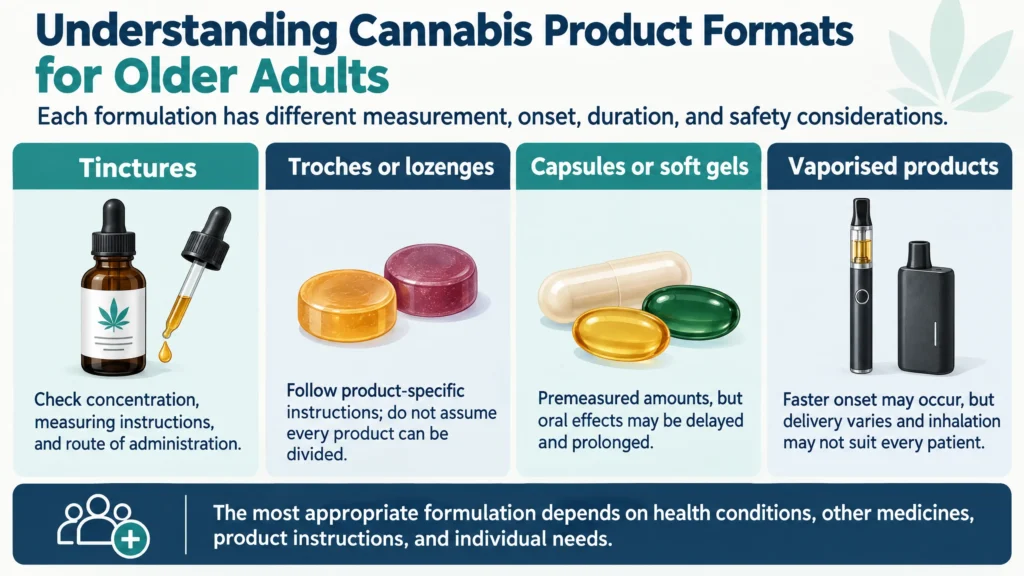
Recommended formats for PA senior patients
Sublingual tinctures with calibrated droppers. The most precise format for senior patients. A 0.25ml draw of a known-potency tincture delivers a measurable, consistent microdose. Onset is 15 to 45 minutes sublingually, duration 4 to 6 hours. Allows the smallest possible starting doses without product waste. For full tincture guidance, see our CBD tinctures guide.
Troches (chewable lozenges). PA dispensary troches at 2.5mg and 5mg can be divided with a pill cutter for 1.25mg microdoses. Oral absorption is slower and more prolonged than sublingual, which may suit senior patients who prefer once or twice daily dosing over more frequent sublingual administration.
Capsules and soft gels. Consistent, pre-measured doses with the most familiar format for older adults accustomed to pill-based medications. Onset is 45 minutes to 2 hours; duration is 6 to 8 hours. Least precise for dose adjustment but most familiar.
Formats to approach with caution for seniors
Vaporized flower. Pennsylvania requires vaporization rather than smoking. However, dry herb vaporizers still carry some respiratory considerations for seniors with existing respiratory conditions. A pulmonologist or the patient’s physician should be consulted for seniors with COPD, asthma, or other respiratory conditions before using vaporized products.
Concentrates and high-potency vape cartridges. Very high THC concentrations delivered rapidly are particularly problematic for the altered pharmacokinetics of senior patients. The CCORC review specifically recommends gradual titration for seniors. High-potency concentrates are the opposite of gradual.
The 2026 real-world finding
A 2026 real-world analysis of adults 65 and older with chronic or refractory pain found improvements in patients receiving cannabinoid-based treatments, with CBD-dominant full-spectrum products producing fewer reported adverse reactions than THC-dominant products in that observational cohort.
Ready to Get Your Official PA MMJ Card?
State-certified doctor consultations online. No risk—100% refund if not approved.
Claim Your MMJ Card Online →This supports CBD-dominant or ratio products as the senior-first approach, with THC introduced gradually rather than as the primary therapeutic vehicle.
The MMAP Fee Waiver: What Pennsylvania Seniors Should Know
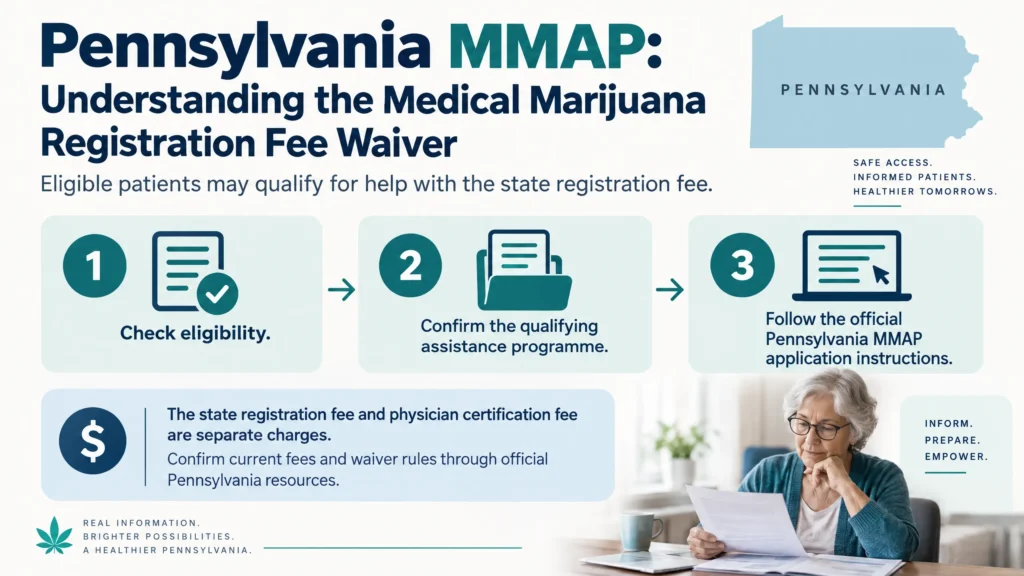
The Pennsylvania Medical Marijuana Access Program (MMAP) provides a state registration fee waiver for patients who qualify based on financial need.
For senior Pennsylvania residents, this is a meaningful financial benefit. The standard PA MMJ registration fee is $50 per year. MMAP eliminates this fee for qualifying patients.
Who qualifies for MMAP as a senior
Enrollees in Medicare Part D Extra Help (Low Income Subsidy). Medicaid recipients. SNAP (food assistance) recipients. WIC recipients. CHIP enrollees. PACE or PACENET enrollees.
PACENET is Pennsylvania’s prescription assistance program for older residents who do not qualify for Medicaid but meet income thresholds. It is specifically designed for Pennsylvania seniors and is one of the most common MMAP qualifying programs for older adults in the state.
What MMAP covers
MMAP Phase 1 waives the $50 annual state registration fee. It does not reduce the physician certification fee or dispensary product costs.
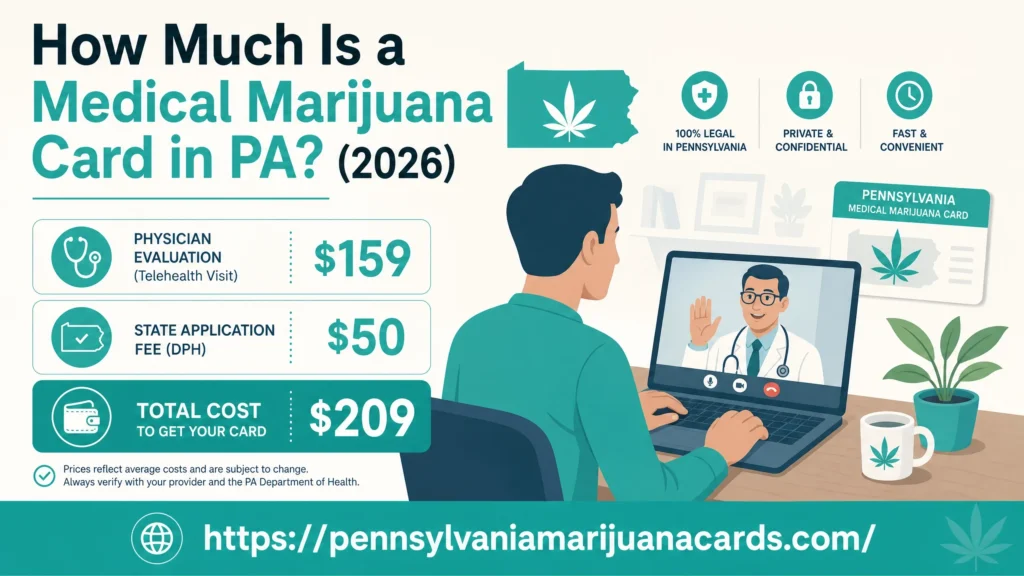
New PA MMJ patients pay a physician certification fee (through Pennsylvania Marijuana Cards: $159) plus the $50 state fee. MMAP-qualifying senior patients pay the $159 physician fee only, with the state fee waived.
For a full guide to the MMAP program and how to apply, see our MMAP guide. For overall PA MMJ cost information, see our how much is a medical marijuana card in PA guide.
The PA MMJ card also provides additional financial value for senior patients: Dispensary cannabis is subject to state sales tax rather than federal income tax treatment. For seniors managing fixed incomes, the savings from avoiding opioid or benzodiazepine co-pays can offset the certification cost within months.
Condition-Specific Guidance for PA Senior Patients
The most common qualifying conditions for senior Pennsylvania MMJ patients align closely with age-related health burdens.
Condition-specific starting framework for PA senior patients
| Qualifying Condition | Starting THC Dose | CBD Recommendation | Notes |
|---|---|---|---|
| Chronic pain | 1 to 2mg once or twice daily | 25 to 50mg CBD daily | CBD-dominant tincture first; add THC only if needed |
| Sleep disruption | 2 to 2.5mg at bedtime | 25mg CBN + CBD | CBN preferred over nightly THC for REM preservation |
| Anxiety | 1 to 2mg (optional) | 10 to 20mg CBD (10:1 ratio) | CBD-only may be sufficient; avoid high THC |
| Nausea (cancer) | 2.5mg 30 min before chemo | CBD alongside | Direct brainstem CB1 mechanism; medical oversight required |
| Muscle spasms | 1 to 2.5mg 2x daily | 15 to 25mg CBD | Sublingual for daytime; troche at night |
Chronic pain (most common)
The 2024 National Poll found 63% of older cannabis users cited pain as a primary motivation. Chronic pain is a PA qualifying condition. A 2025 AHRQ living systematic review found THC-containing cannabinoid preparations produced small but meaningful reductions in chronic pain.
For senior pain patients: CBD-dominant tinctures (5:1 or 3:1 CBD:THC) taken twice daily provide sustained anti-inflammatory and analgesic effects with lower intoxication risk. Avoid concentrates and high-THC products as first-line pain management.
Sleep disruption
68% of older cannabis users in the 2024 poll cited sleep as a primary reason. Pennsylvania does not list insomnia as a standalone qualifying condition, but sleep disruption is a documented secondary symptom of chronic pain, anxiety, and PTSD, all qualifying conditions.
For sleep, CBN (cannabinol) is particularly relevant for senior patients. As covered in our CBN cannabinoid sleep guide, CBN increased both NREM and REM sleep in research without the REM suppression associated with nightly THC use. A 25 to 50mg CBN product taken 60 to 90 minutes before bedtime is a lower-risk approach for senior sleep management than nightly high-dose THC.
Anxiety
53% of older cannabis users cited mental health and mood. Anxiety disorders are PA’s most common qualifying condition. For senior anxiety patients, CBD-dominant approaches (10:1 or 20:1 CBD:THC) reduce the fall risk and cognitive effects associated with THC while providing meaningful anxiolytic benefit through the 5-HT1A serotonin pathway.
Nausea from cancer treatment
Cancer is a PA qualifying condition. Nausea from chemotherapy is one of the most clinically established cannabis applications. CB1 receptors in the brainstem regulate the vomiting reflex directly. Low-dose THC troches taken 30 minutes before chemotherapy administration are one of the more direct-mechanism applications for senior cancer patients.
The Fall Risk: What Every Senior and Caregiver Needs to Know
Falls are the leading cause of injury death among older Americans.
Cannabis increases fall risk through multiple mechanisms: balance impairment from CB1 receptor activation in the cerebellum, sedation from higher-than-expected THC blood levels due to altered pharmacokinetics, orthostatic hypotension (blood pressure drop when standing) which is amplified by cannabis, and interaction with other medications that affect balance and blood pressure.
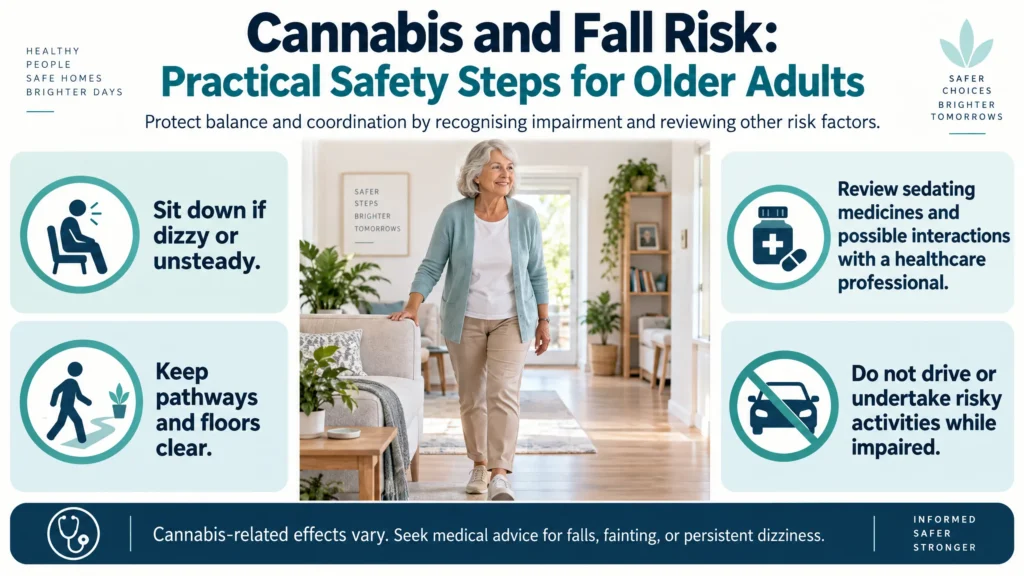
A Stanford Medicine geriatric nurse practitioner, published in ScienceDaily in August 2026, identified fall risk as one of the five primary safety concerns for cannabis use in adults over 65.
Practical fall risk reduction for PA senior patients:
Never take a new cannabis product or dose adjustment before an activity requiring balance, coordination, or physical effort. Assess new doses at home, seated or lying down, with someone present if possible.
Time THC-containing products for evening use when fall risk activities are completed.
Start any new product on a day when driving is not required and physical demands are minimal.
Avoid combining THC-containing products with alcohol, benzodiazepines, opioids, or sleep medications. Additive CNS effects multiply fall risk significantly.
Inform your primary care physician about cannabis use so fall risk can be incorporated into your overall care plan.
Having the Conversation: Seniors, Families, and Healthcare Providers
The 2024 National Poll found that 44% of senior cannabis users had not discussed their use with a healthcare provider.
For senior patients on multiple medications, this gap is clinically dangerous.
Healthcare providers cannot identify drug interactions they do not know about. A patient taking warfarin who starts using CBD tinctures without informing their cardiologist may see warfarin levels rise to dangerous levels before the connection is identified.
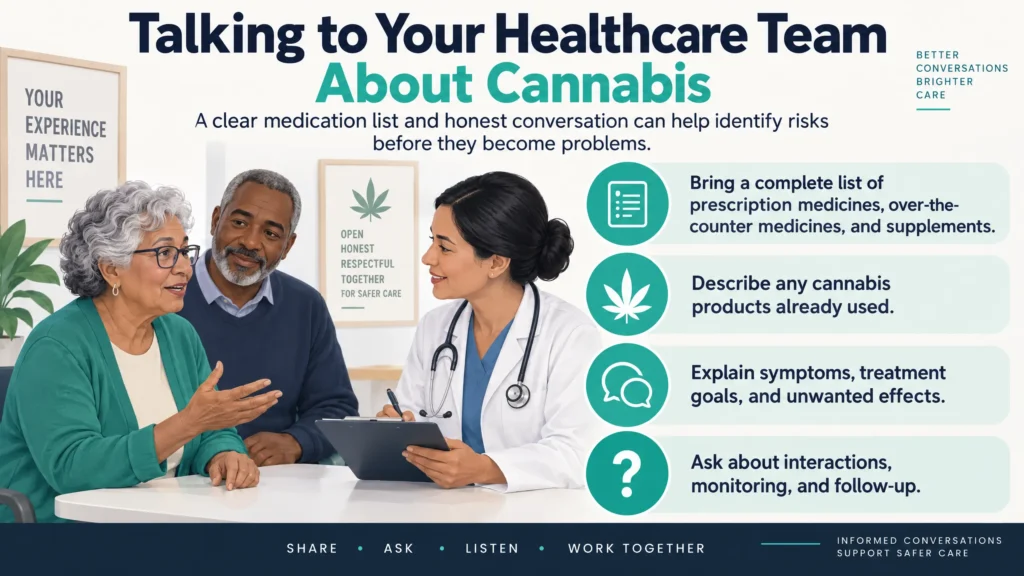
For senior patients discussing cannabis with their physician
Many physicians are not well-trained in cannabis pharmacology and may express concern or hesitation. This is an opportunity for an informed conversation rather than a reason to avoid disclosure.
Bring this guide or the research references to your appointment. Be specific about the product you are considering, the dose, and the qualifying condition you are trying to address. Ask specifically whether any of your current medications are metabolized by CYP2C9 or CYP3A4, the pathways most affected by cannabis.
For family members and caregivers
Cannabis should not be introduced to a senior patient’s regimen without the patient’s physician being informed, particularly for patients with cardiovascular disease, fall history, cognitive impairment, or complex medication regimens.
The PA dispensary pharmacist is an excellent first resource for family members. They can review the senior patient’s medication list and identify specific interaction concerns before any product is purchased.
If your senior family member is interested in PA MMJ certification, check whether their condition qualifies here or get certified at Pennsylvania Marijuana Cards. Telehealth certification means no travel required. New patient certification is $159, with the $50 state fee waived through MMAP for PACENET, Medicaid, and other qualifying program enrollees.
Frequently Asked Questions
Q: Is medical marijuana safe for seniors?
A: With appropriate dosing, product selection, and physician oversight, cannabis can be a useful therapeutic option for seniors with qualifying conditions.
The key differences from younger adult use are: start at lower doses (1 to 2.5mg THC maximum for new senior users), use CBD-dominant products as the primary format, choose non-inhaled formats (tinctures, troches, capsules), and disclose use to all prescribing physicians.
Seniors face higher risks from cannabis than younger adults due to altered pharmacokinetics, polypharmacy, and fall risk, but these risks can be managed with the right approach.
Q: What is the Golden Rule for senior cannabis dosing?
A: Start low, go slow, and stay low.
For THC, the starting dose for a new senior patient should be 1 to 2.5mg once daily. Increase by no more than 1mg every 5 to 7 days, and only if there is no therapeutic benefit at the current dose and no side effects.
When therapeutic benefit appears at any dose, hold there. Seniors frequently achieve full therapeutic benefit at doses that would be sub-therapeutic for younger patients because altered pharmacokinetics produce higher effective blood levels at equivalent doses.
Q: What medications interact with cannabis in seniors?
A: Six medication categories carry documented interaction risk with cannabis in older adults: cardiovascular and antithrombotic drugs (warfarin, aspirin, clopidogrel), CNS drugs (benzodiazepines, opioids, sleep medications), pain medications (NSAIDs, gabapentin), antihistamines, endocrine medications, and gastrointestinal medications.
Warfarin carries the most urgent specific risk: CBD inhibits the CYP2C9 enzyme that metabolizes warfarin, potentially raising blood levels to dangerous ranges.
Bring a complete medication list to your PA dispensary pharmacist before any product selection.
Q: Do Pennsylvania seniors qualify for the MMAP fee waiver?
A: Yes, many do.
Pennsylvania seniors enrolled in PACENET, Medicaid, Medicare Part D Extra Help, SNAP, WIC, or CHIP qualify for the MMAP fee waiver, eliminating the $50 annual PA state registration fee. PACENET is specifically designed for Pennsylvania seniors who do not qualify for Medicaid but meet income thresholds.
The physician certification fee ($159 at Pennsylvania Marijuana Cards) is separate from the state fee and is not waived by MMAP.
Q: What is the safest cannabis product for a senior?
A: A CBD-dominant sublingual tincture or low-dose troche is generally the safest starting product for senior patients.
A 2026 real-world analysis of adults 65 and older found CBD-dominant full-spectrum products produced fewer adverse reactions than THC-dominant products. CBD-dominant tinctures allow milligram-level dose precision, avoid respiratory exposure, and produce predictable onset and duration.
Start with 5 to 10mg CBD with minimal or no THC, then introduce small amounts of THC (1 to 2mg) only after CBD tolerance is established.
Q: Should seniors use THC or CBD?
A: For most senior patients new to cannabis, CBD-dominant products are the appropriate starting point. CBD provides analgesic, anxiolytic, and anti-inflammatory effects without meaningful psychoactivity or fall risk.
THC is introduced gradually for conditions where the additional therapeutic mechanism is needed: sleep onset, severe pain, or nausea from cancer treatment. A 10:1 or 20:1 CBD:THC ratio allows a therapeutic THC amount while keeping psychoactive and fall risk effects minimal.
Pure high-THC products without CBD are generally not appropriate as a starting format for senior patients.
The Bottom Line
Medical marijuana can be a safe and effective therapeutic option for Pennsylvania seniors with qualifying conditions. The key is recognizing that senior cannabis use requires a distinct approach, not just a smaller version of what younger adults do.
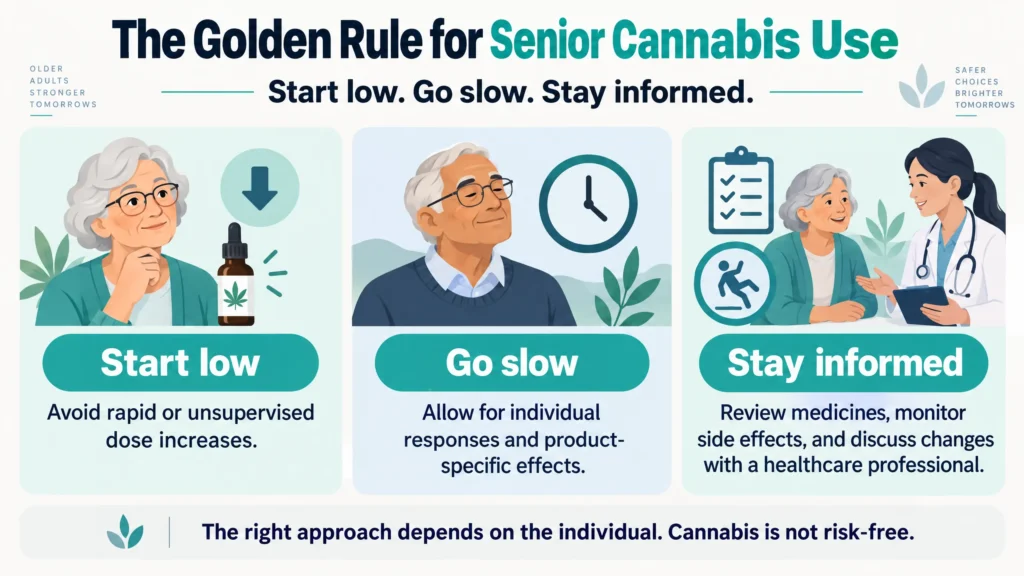
The Golden Rule applies to every senior patient regardless of condition or experience: start low, go slow, and stay low.
The drug interaction risk requires proactive disclosure to every prescribing physician and a medication review with your PA dispensary pharmacist before any product is selected.
Pennsylvania’s MMAP program makes certification more financially accessible for seniors on fixed incomes through the PACENET and Medicaid fee waivers.
And the PA licensed dispensary system, with its COA-verified products, milligram-precise formats, and on-site pharmacist consultation, is built for exactly the kind of careful, monitored approach that safe senior cannabis use requires.
This blog post is intended for general educational and informational purposes only and does not constitute medical advice. Senior patients on multiple medications face specific drug interaction risks from cannabis that require physician oversight. Do not adjust warfarin, benzodiazepine, opioid, or thyroid medication doses without consulting your prescribing physician before and during cannabis use. Do not drive after cannabis use. Medically reviewed by Dr. Johnathon Chance Miller, MD.
Sources
- JAMA Internal Medicine 2025: Medical Cannabis Use Increasing Among Older Adults (NYU and UC San Diego)
- Age and Ageing December 2025: Concomitant Use of Medical Cannabis and Drugs Associated With Risks of Interaction in Older Patients (12,599 seniors)
- PMC 2024: National Poll on Healthy Aging, Cannabis Use in Adults 50 and Older (n=3,379)
- ScienceDaily August 2026: Is Cannabis Safe After 65? Stanford Experts Reveal 5 Risks
- Kind Green Buds: Medical Marijuana for Seniors, Benefits, Risks, Dosing and Drug Interactions 2026
- CED Clinic July 2026: Cannabis Use and Drug Interactions in Older Adults
- CED Clinic July 2026: Cannabis Use in Older Adults, Telehealth and Geriatric Safety
- CED Clinic August 2026: Cannabis and Aging, A Doctor Answers the Questions No One Else Will
- CCORC 2025: A Review of Drug-Drug Interactions Involving Medical Cannabis in Older Adults
- PA Department of Health: MMAP Program